

Maddy summaryHB 1733 adds art therapy to Pennsylvania's regulated health professions by creating specific licensure requirements for "licensed professional art therapists" and "licensed associate art therapists." It defines "art therapy" as a clinical practice using art-based techniques to address mental health needs, requiring therapists to meet education standards from accredited institutions. The bill restricts the use of the title "licensed professional art therapist" to those holding a valid license, while "licensed associate art therapists" must work under supervision and cannot practice independently. This directly affects art therapists seeking to legally use the title or provide services in Pennsylvania, establishing new standards for training, supervision, and scope of practice.
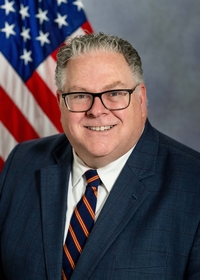
Rep. Tim Briggs
Sponsored bills
Maddy summaryHB 1572 modifies Pennsylvania's historic preservation tax credit program by setting new annual spending limits and allocation rules. It caps total annual tax credits at $20 million (excluding unused prior-year credits), limits credits to $1.5 million per project owner annually (up from $500,000), and requires equitable regional distribution of credits - reallocating unclaimed funds to other regions. The bill directly affects historic preservation project owners seeking tax credits for rehabilitation work. These changes apply to fiscal years starting July 1, 2025, and aim to manage program funding more systematically.
Maddy summaryThis bill modifies Pennsylvania's child custody law by requiring all custody orders to include notice of relocation obligations (replacing the repealed Section 5337). It repeals detailed existing relocation rules, including the 60-day notice requirement, specific information that must be included in relocation notices, and the 30-day objection window for non-relocating parents. The change directly affects parents or custodians seeking to relocate with children under existing custody arrangements. It simplifies the process by embedding relocation notice requirements into custody orders rather than maintaining separate procedural rules.
Maddy summaryHB 615 expands legal protection for individuals and organizations donating food to charities by strengthening the existing Donated Food Limited Liability Act. It directly affects food donors (like grocery stores, farms, and businesses) and food banks/receiving organizations by shielding them from liability claims if donated food causes harm - unless the donor acted with gross negligence. The key provision clarifies that donors cannot be sued for injuries related to donated food, provided they followed safety standards. This policy change aims to encourage more food donations by reducing legal risks for donors.
Maddy summaryHB 1100 amends Pennsylvania's Human Services Code to allow public assistance recipients to use their benefits to purchase diapers and menstrual hygiene products through a new waiver program. This directly affects low-income individuals and families enrolled in public assistance programs who currently cannot use their benefits for these essential items. The key provision adds diapers and menstrual hygiene products to the list of eligible purchases under an administrative waiver, changing the existing code to expand access to basic necessities. The bill does not change benefit amounts or eligibility criteria but creates a new pathway for purchasing specific hygiene products. It passed the legislature in June 2025 and was referred to the Health & Human Services committee for implementation.
Maddy summaryHB 378 amends Pennsylvania's child custody laws by adding new factors judges must consider when determining custody arrangements. The bill explicitly requires courts to weigh specific elements, such as the child's adjustment to home, school, and community, alongside existing considerations. This change directly affects judges presiding over custody cases and parents involved in those proceedings. The law became effective immediately upon the governor's approval on June 30, 2025 (Act No. 11 of 2025).
Maddy summaryHB 491 changes Pennsylvania law to allow both state juvenile courts and military courts to handle juvenile cases involving minors on military installations within the state. This applies directly to minors under 18 who commit offenses on bases like Fort Indiantown Gap or the Philadelphia Naval Yard. The key provision amends Title 42 of Pennsylvania law to establish concurrent jurisdiction, meaning either court system can take the case without requiring the other to defer. The bill became law on June 27, 2025, after approval by the governor. This policy change clarifies legal authority for juvenile matters on military property without altering the primary jurisdiction of military courts.
Maddy summaryHB 355 amends Pennsylvania's criminal code to strengthen protections for minors by updating the offenses of "corruption of minors" and "unlawful contact with minor." The bill specifically targets adults who exploit or sexually exploit minors through interactions like grooming or inappropriate contact, making these acts clearer and more severe under state law. It directly affects minors (ages 12-17) and adults who engage in prohibited conduct with them, including online interactions. The law increases penalties for these offenses by clarifying prohibited behaviors and strengthening sentencing guidelines, now effective as Act No. 5 of 2025.
Maddy summaryHR 173 is a non-binding resolution urging Congress to establish a National Infrastructure Bank. It does not create new laws or funding but formally requests Congress take action to create this bank, which would provide financing for infrastructure projects. The resolution directly affects Congress itself, as it calls on the legislative body to initiate this specific action. This is a procedural measure with no immediate policy impact, as it only expresses a recommendation.
Maddy summaryThis bill is a symbolic resolution designating June 2025 as "Italian-American Heritage Month" in Pennsylvania. It officially recognizes Pennsylvania's Italian-American community - home to approximately 1.4 million residents with Italian ancestry - and highlights their historical contributions to the state and nation. The resolution does not create new laws or funding but formally designates the month for commemoration, referencing cultural milestones like Filippo Mazzei's influence on the Declaration of Independence and Philadelphia's large Italian-American population. The measure was adopted by the Pennsylvania House of Representatives on June 25, 2025.