

Maddy summaryHB 1178 establishes a Rural Library Grant Program to provide funding for essential maintenance and infrastructure upgrades at eligible libraries in Pennsylvania. The program targets libraries serving populations of fewer than 10,000 people, offering annual grants between $20,000 and $100,000 for specific repairs like roof replacements, boiler systems, plumbing, energy efficiency projects, health and safety improvements, and internet connectivity (excluding educational technology hardware or software). The Department of Education must create application guidelines within 60 days, review applications to ensure statewide geographic distribution, and publicly report all funded projects on its website.
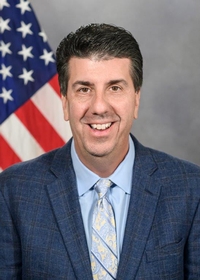
Rep. Joe Ciresi
Sponsored bills
Maddy summaryHB 1183 amends Pennsylvania's Tax Reform Code to exempt adoption fees charged by qualifying nonprofit animal shelters from sales tax. The bill specifically excludes fees paid to nonprofit "releasing agencies" (as defined by Pennsylvania's Dog Law) that do not charge more than the actual costs of caring for the animal. This change directly affects nonprofit shelters meeting both criteria: (1) being a registered releasing agency under the Dog Law, and (2) charging fees covering only care expenses. The tax exclusion takes effect 60 days after enactment.
Maddy summaryHB 325 amends Pennsylvania's Taxpayer Relief Act to clarify how school districts must present tax relief information to property owners. It adds a definition of "conspicuous" requiring notices to use larger text, contrasting colors, or special formatting that a reasonable person would notice. The bill mandates that school districts include a specific, conspicuous notice with tax bills for homestead and farmstead property owners, explaining that their tax reduction comes from casino gaming revenue (State Gaming Fund) under state law, not from the school district's actions. This affects all Pennsylvania property owners eligible for homestead/farmstead exclusions and the school districts that issue their tax bills, effective for taxable years after December 31, 2025.
Maddy summaryHB 407 creates a new criminal offense for unauthorized location tracking in Pennsylvania, making it illegal to install or use technology (such as apps or devices) to monitor someone's location without their consent. Exceptions include law enforcement during investigations, parents tracking minor children, guardians monitoring incapacitated persons, and other specific scenarios like fleet vehicle tracking with proper consent. The bill does not change existing stalking laws but adds this new provision to address technology-enabled harassment. It directly affects individuals who might use location-tracking tools to harass others, while clarifying permitted uses for safety and legal purposes.
Maddy summaryHB 183 amends Pennsylvania's Workers' Compensation Act to increase the maximum compensation period for serious permanent disfigurement of the head, neck, or face from 275 weeks to 400 weeks. It specifically updates Section 306(c)(22) to clarify that disfigurement benefits are paid separately from disability benefits, allowing injured workers to receive both simultaneously. The change applies to injuries sustained on or after the bill's effective date (60 days from enactment), regardless of when the original injury occurred. This directly affects workers who sustain qualifying permanent disfigurement in workplace injuries.
Maddy summaryHB 1046 establishes the Pennsylvania Poet Laureate position and a nomination committee to select the appointee. The Governor appoints the Poet Laureate from a shortlist of three nominees provided by the committee (which includes education, arts, and humanities representatives), with the Laureate serving a two-year term and performing ceremonial duties like reading poems at the Governor's inauguration and legislative sessions, all without pay but with travel expenses reimbursed. This bill directly affects Pennsylvania residents by creating a state position to promote poetry and literary arts through official events.
Maddy summaryHB 1020 creates a system for Pennsylvania municipalities to register vacant and blighted properties and impose annual fees on owners who fail to bring properties into compliance with municipal codes. Properties remain on the registry until owners fix issues or sell to compliant buyers, with fees starting at $500 in year one and rising to $5,000 after nine years. Exemptions include properties under active renovation (within 12 months of a permit), those actively marketed for sale/rent (with time limits), and government-owned properties. This directly affects property owners in municipalities that adopt the registration program, requiring them to pay escalating fees if properties remain unaddressed.
Maddy summaryHB 322 requires Pennsylvania utility companies to include clear instructions for customers to submit comments on proposed rate changes or system acquisitions. Specifically, utility notices must detail how to comment via mail, email, or a publicly accessible website. This affects all residential and business customers who receive utility billing notices. The bill changes the process for customer feedback but does not alter rate decisions or service terms. It takes effect 60 days after enactment.
Maddy summaryHB 1155 establishes a legal framework for community solar programs in Pennsylvania, allowing multiple subscribers (including renters and low-income households) to share ownership of solar facilities and receive bill credits for the electricity generated. The bill requires electric distribution companies to implement these programs, mandates prevailing wage standards for solar installation workers, and sets protections to ensure subscribers receive guaranteed savings. It directly affects utility companies, community solar organizations, and subscribers - particularly those who cannot install rooftop solar due to housing constraints or income limits. Key provisions include preventing single subscribers from owning over 50% of a facility, requiring at least 50% of capacity to serve small subscriptions (25 kW or less), and ensuring ratepayer costs are managed responsibly.
Maddy summaryHB 1085 amends Pennsylvania's Motor License Fund allocation rules for the Pennsylvania State Police. It sets a 2025-2026 funding cap at 68% of the 2016-2017 level ($125 million) and eliminates all future appropriations for this purpose starting in fiscal year 2026-2027. The bill directly affects the State Police budget and the Motor License Fund, which is funded by vehicle registration fees. This is a procedural budget adjustment with no new policy changes, solely modifying existing funding levels.