

Maddy summaryHB 1153 amends Pennsylvania's Vital Statistics Law to waive fees for certified birth records for individuals aged 65 or older. It specifically eliminates charges when seniors request revised birth records to meet requirements under Pennsylvania's REAL ID Compliance Act (2017). The bill directly affects older Pennsylvanians needing birth certificates for REAL ID-compliant identification. This change simplifies access to a key document for this group without altering REAL ID standards or creating new administrative requirements.
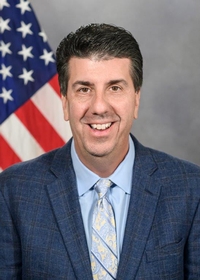
Rep. Joe Ciresi
Sponsored bills
Maddy summaryThis bill amends Pennsylvania's vehicle code to strengthen window tinting regulations. It requires vehicles with tinted windows to pass a safety inspection using a tint meter, failing if they violate existing tint limits (67 Pa. Code Ch. 175). Additionally, it prohibits tinting businesses from failing to inform customers that modifications may violate these limits, classifying such omissions as deceptive under consumer protection law. The bill directly affects vehicle owners seeking tinted windows, tinting businesses, and inspection stations. It implements concrete policy changes by integrating tint compliance into safety inspections and enforcing consumer transparency.
Maddy summaryHB 1146 allows second-class counties in Pennsylvania to generate local funding for public transportation and transportation infrastructure by imposing specific taxes, including on liquor sales, rental vehicles, real estate transfers, income, and vehicle registrations, each with maximum rates defined by existing state law. Revenue from these taxes must be deposited into a restricted county account dedicated exclusively to transportation projects. The bill also establishes administrative procedures for collecting and reporting these taxes, ensuring compliance with state tax codes and enabling counties to implement the funding mechanisms without creating new statewide programs.
Maddy summaryHB 1115 sets limits on the reserve funds that cyber charter schools in Pennsylvania can hold at the end of each school year. Starting with the 2024-2025 school year, these schools must keep general unspent reserves below 8% of total budgeted expenditures, combined funds set aside for specific purposes below 4%, and total reserves below 12%. The bill defines key terms like "funds set aside for specific purposes" to clarify how the limits apply. It directly affects cyber charter schools, which are publicly funded online schools operating under Pennsylvania's charter system.
Maddy summaryHB 1124 amends Pennsylvania's Taxpayer Relief Act to protect eligible seniors from losing property tax or rent rebates due to automatic Social Security cost-of-living adjustments (COLAs). It directly affects seniors currently receiving these rebates who exceed income limits solely because of COLAs. The bill modifies the definition of "income" to specifically state that seniors eligible as of December 31, 2024, remain eligible if their income limit is exceeded only due to Social Security COLAs. This exception applies until December 31, 2028. The change ensures these seniors maintain their rebate eligibility during temporary income spikes caused by federal COLAs.
Maddy summaryHB 1114 prohibits possessing a firearm in any building, property, or parking area of a polling place during an election, with three specific offense types: simple possession, possession with intent to commit a crime, or causing a firearm to be used in a crime. Simple possession is a third-degree misdemeanor, while intent or causing use is a first-degree misdemeanor. Key exceptions include law enforcement officers performing duties, individuals with concealed carry permits (who own the firearm and have a valid license), and military personnel on duty. Polling places must post notices of the law, and failure to post prevents conviction for simple possession or intent offenses. The bill directly affects voters, poll workers, and anyone entering polling areas during elections.
Maddy summaryHB 1109 would establish a legal process for "compassionate aid in dying" in Pennsylvania, allowing terminally ill adults to request medication to end their life under strict safeguards. To qualify, patients must be 18 or older, under the care of a healthcare provider, have a terminal illness confirmed by a consulting provider, and be deemed capable of making an informed decision after counseling. The process requires a written request, a waiting period, and detailed documentation to ensure the decision is voluntary and informed, while protecting healthcare providers from forced participation. Violations of the law would be subject to penalties as outlined in the bill.
Maddy summaryHB 1150 raises Pennsylvania's minimum wage to $15 per hour starting January 1, 2026, with annual increases thereafter. It also establishes a phased timeline for tipped employees: requiring higher base cash wages starting in 2025 (e.g., $5.00/hour after June 2025) and mandating that by July 1, 2029, employers must pay the full minimum wage without relying on tips. The bill ensures all tips received by employees remain their property and cannot be used by employers to meet minimum wage requirements. This directly affects most private-sector employers and tipped workers in Pennsylvania, particularly in hospitality and service industries.
Maddy summaryHB 832 requires hospitals planning to close all or most units (general hospital closure) or critical departments like emergency or maternity units (significant impact closure) to follow specific steps. Hospitals must submit a detailed closure plan for approval by the Department of Health or local health authorities at least 180 days before closing, include a health equity impact assessment, and hold two public hearings in the affected community. The bill mandates public notice, comment periods via phone and website, and ensures hospitals address community health needs before proceeding. This directly affects hospitals seeking to close operations and the communities relying on their services, aiming to prevent abrupt healthcare disruptions.
Maddy summaryHB 1079 makes it a crime to change a consumer's electric or natural gas supplier without their consent, protecting consumers from unauthorized service switches. The law imposes penalties: a first offense is a misdemeanor, while repeat offenses or cases involving vulnerable consumers (60+ years or care-dependent individuals) become felonies. Prosecution can be handled by local district attorneys or the Attorney General for multi-county or interstate cases, and this criminal law does not prevent the Pennsylvania Public Utility Commission from taking administrative action. The bill directly affects utility companies, suppliers, and consumers by adding criminal consequences for unauthorized service changes.