

Maddy summaryThis bill requires Pennsylvania public utilities to provide customers with clear instructions on how to submit comments regarding proposed rate changes or system acquisitions. Under the new rules, the Public Utility Commission must accept these consumer comments via mail or through an accessible online platform. The legislation aims to streamline the process for utility customers to participate in regulatory decisions affecting their services. It applies to all public utilities operating in the state and will become effective 60 days after enactment.
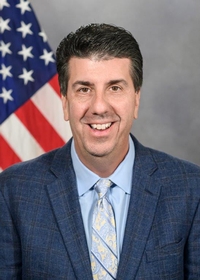
Rep. Joe Ciresi
Sponsored bills
Maddy summaryThis bill requires Pennsylvania colleges and universities to clearly explain all mandatory fees students must pay, such as enrollment or incidental charges. Institutions must list these fees, along with their purpose and how the money will be spent, on their public websites and student portals before the fees are charged. Additionally, schools must report the total amount collected and how those funds were used to the state Department of Education by November 15 each year. The law applies to both public state schools and private accredited institutions operating in Pennsylvania.
Maddy summaryThis Pennsylvania House Resolution designates September 2024 as "Military Suicide Prevention and Awareness Month" to highlight the high suicide rates among veterans in the state. The measure aims to raise public consciousness about the issue by officially setting aside the month for recognition and support rather than implementing new laws or funding. It expresses support for ongoing federal and state efforts to assist veterans and their families while acknowledging the specific challenges they face.
Maddy summaryThis bill directs the Legislative Budget and Finance Committee to investigate why students are unable to enroll in career and technical education programs. The study will examine specific obstacles such as limited program availability, facility conditions, staffing shortages, and wait lists across the state. Additionally, the committee will analyze the current funding formula for these programs and review how other states address instructor credentialing to solve workforce gaps. The committee is required to submit a report with its findings and recommendations to the House of Representatives within 120 days.
Maddy summaryThis bill establishes the Pennsylvania Artist Fellowship Grant Program to provide financial support to artists living in the state. To qualify, applicants must be at least 18 years old, reside in Pennsylvania, actively practice in visual, media, film, or performing arts, and not be currently enrolled in school. The program awards up to 25 grants of $100,000 each annually, which recipients can use for a wide range of expenses including housing, studio rentals, materials, travel, and student loans, provided the funds are not used for political campaigns or regular employment. The Pennsylvania Council on the Arts is responsible for managing the application process and administering the program, which is funded by a $2.5 million appropriation for grants and an additional $250,000 for administrative costs.
Maddy summaryThis bill directs Pennsylvania's Human Services department to apply for a federal waiver that would allow SNAP and WIC benefit recipients to use their funds to buy diapers or menstrual hygiene products. The legislation authorizes the department to adopt necessary rules once the USDA approves the waiver, ensuring the state can participate in this potential program change. It does not immediately change how benefits are used but establishes the legal framework to implement such a waiver if federal approval is granted.
Maddy summaryThis bill is a non-binding resolution that formally recognizes June 2024 as "LGBTQ+ Pride Month" within the Commonwealth of Pennsylvania. It directly affects state government agencies and officers by encouraging them to acknowledge the historical significance of LGBTQ+ contributions and the ongoing struggle for equality. The text cites specific local milestones, such as the 1965 sit-in at Dewey's lunch counter in Philadelphia and the establishment of early support organizations, to highlight the state's role in LGBTQ+ history. Ultimately, the measure serves as a symbolic gesture of solidarity and does not create new laws, funding, or enforceable policies.
Maddy summaryThis Pennsylvania House resolution directs the Joint State Government Commission to create an advisory committee and conduct a comprehensive study on artificial intelligence. The proposed committee includes representatives from various state agencies, labor unions, academic institutions, and technical experts to examine AI's benefits, risks, and potential impacts on the state. The study will assess how AI is currently used, evaluate its effects on employment and disinformation, and propose regulations for its responsible development within Pennsylvania government and society. Ultimately, the commission must submit a report with recommendations on whether to establish a permanent oversight body and how to allocate rights between workers and employers regarding AI implementation.
Maddy summaryThis Pennsylvania House resolution officially designates November 5, 2024, as Jason Kelce's birthday and December 13, 2024, as Fletcher Cox's birthday. The measure honors the careers of these two former Philadelphia Eagles players, who are recognized for their contributions to the team's success and their extensive charitable work in the community. By formally acknowledging their achievements and retirement, the resolution aims to celebrate their impact on the state and the city of Philadelphia.
Maddy summaryThis bill establishes the Survivor-Centered, Accessible, Fair and Empowering (SAFE) Housing Trust Fund within Pennsylvania's State Treasury to support victims and survivors of domestic violence, sexual assault, dating violence, human trafficking, and stalking. The fund is designed to provide emergency, transitional, and permanent housing along with related support services to help these individuals and their immediate family members move toward independent living. Money for the fund will be generated through an interfund transfer, and the program must remain accessible to all regardless of sex, gender identity, or sexual orientation.