

Maddy summaryThis bill amends Pennsylvania's domestic relations laws to redefine marriage as a civil contract between two individuals, removing the previous legal requirement that it be between one man and one woman. It directly affects couples by eliminating state barriers to same-sex marriage and repeals the specific provision that declared such unions void within the Commonwealth. The legislation also updates the statutory definition of marriage to reflect this inclusive language while removing the section that stated it was public policy to restrict marriage to opposite-sex couples.
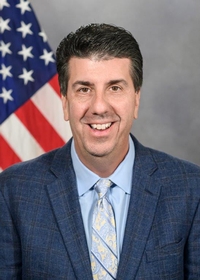
Rep. Joe Ciresi
Sponsored bills
Maddy summaryThis bill updates Pennsylvania's existing law to strengthen legal protections for individuals who donate food to charitable or religious organizations. It clarifies that donors are immune from civil or criminal liability if they donate food in good faith after a reasonable inspection confirms it is safe to eat. However, this immunity does not apply if the donor was negligent, reckless, intentionally harmful, or knew the food was contaminated. The legislation also explicitly covers donations of food that is not easily sold due to appearance, age, or expiration dates, while maintaining the government's right to regulate such food.
Maddy summaryThis bill requires Pennsylvania hospitals to publish their standard prices for medical items and services on their websites and provide these lists to the public upon request. The law mandates that hospitals display both a comprehensive list of all charges and a simplified, consumer-friendly version for specific services that patients can schedule in advance. Additionally, the bill prohibits hospitals from taking debt collection actions against patients if the hospital fails to comply with these price transparency requirements. By enforcing these rules, the legislation aims to increase clarity on healthcare costs for patients while holding hospitals accountable for maintaining accurate pricing information.
Maddy summaryThis Pennsylvania bill creates a new Alzheimer's, Dementia and Related Disorders Office within the Department of Aging to coordinate state efforts for people affected by these conditions. The office will oversee existing programs, identify service gaps, manage grants, and update the state's strategic plan every five years based on expert advice. To support this work, the law also establishes a large advisory committee made up of government officials, healthcare providers, researchers, and individuals with personal experience caring for those with dementia. This committee will guide the office's activities, review progress, and ensure that the state's approach remains current and effective.
Maddy summaryThis bill amends Pennsylvania's Election Code to regulate political spending by corporations, specifically targeting those with significant foreign ownership or influence. It defines a "foreign-influenced corporation" as one where a single foreign investor owns at least 1% of equity, multiple foreign investors collectively own 5% or more, or a foreign entity participates in political decision-making. Under the new rules, these specific corporations are prohibited from making any contributions or expenditures to support or oppose candidates, ballot measures, or political parties. To ensure compliance, any corporation making a political contribution must certify within seven days that it does not meet the foreign-influenced criteria, with penalties including fines up to $10,000 for individuals who violate these restrictions. The law explicitly excludes domestic corporations from these restrictions and does not limit news media reporting or editorial content.
Maddy summaryThis bill creates the PA SITES Program to help Pennsylvania municipalities, redevelopment authorities, and other local organizations develop competitive sites for businesses to locate or expand within the state. It authorizes the Pennsylvania Economic Development Financing Authority to issue up to $500 million in bonds to fund regional planning efforts and the redevelopment or revitalization of both industrial and nonindustrial properties. The program is designed to reduce development risks by providing financing for these projects, with repayment covered by specific pledged revenues rather than general state funds.
Maddy summaryThis bill establishes an independent Office of Child Advocate within Pennsylvania's Human Services Code to protect the interests of children. The Governor will appoint a Child Advocate who must have at least six years of relevant experience and a bachelor's degree, and the office will operate independently of the department regarding decision-making. The Advocate and their staff are required to complete specific trainings on topics like trauma-informed care and crisis intervention, and they are designated as mandated reporters for suspected child abuse. Additionally, the bill defines the scope of child health, safety, and well-being programs, which include preventing abuse, providing foster care, and offering early intervention services.
Maddy summaryThis bill requires all Pennsylvania public and private schools to have automated external defibrillators (AEDs) available at every interscholastic athletic event, including practices. It mandates that schools create a written emergency action plan for sudden cardiac events, which must include a list of trained staff and detailed steps for responding to a medical emergency. The legislation also updates teacher certification requirements to include CPR and AED training, replacing previous rules that focused on CPR instruction alone.
Maddy summaryHB 2492 amends Pennsylvania's Election Code to clarify how county boards of elections manage their operations and handle election results. The bill requires county commissioners to provide suitable offices for these boards and mandates that primary and general election expenses be paid by the county. It also establishes specific procedures for counting votes, including public notice of meeting times and places, the preparation of official forms, and the requirement that all assistants be sworn in before performing their duties. Finally, the legislation sets a timeline for completing vote counts, requiring boards to begin the process by 9 a.m. on the third day after an election and continue until finished.
Maddy summaryThis bill updates Pennsylvania laws to require public utilities to give customers at least 60 days' notice before changing their rates. Under the new rules, companies must send clear, plain-language notices to customers and other interested parties, highlighting proposed changes on the outside of mailings. The bill also mandates that utilities file updated rate schedules with the state commission and allows the commission to grant exceptions to the notice period for good cause.