

Maddy summaryHB 1742 amends Pennsylvania's personal income tax code to create special provisions for taxpayers living in poverty. The bill allows individuals with an income of $6,500 to $10,000, or married couples with a combined income of $13,000 to $20,000, to receive a refund or forgiveness of any taxes they have overpaid. Eligible taxpayers also receive an additional $9,500 income allowance for each dependent they claim. The poverty income thresholds are set to increase annually based on the Consumer Price Index, ensuring they do not decrease even if inflation rates are negative.
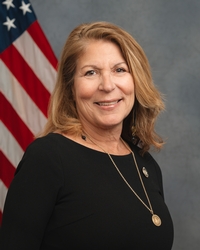
Rep. Tina Marie Davis
Sponsored bills
Maddy summaryThis bill creates a new grant program to help Pennsylvania school districts provide annual mental health screenings for students in grades six through twelve. Starting in the 2025-2026 school year, eligible school entities can apply for funding to hire staff, purchase materials, or partner with outside organizations to conduct these evidence-based screenings. The program requires applicants to submit detailed plans outlining how they will screen students, protect privacy, and connect those who need help with licensed mental health professionals or community resources. Additionally, the Department of Education will consult with national mental health experts and maintain a list of qualified vendors to assist participating schools.
Maddy summaryThis bill allows local taxing authorities in Pennsylvania to offer property tax exemptions to developers who redevelop old churches, hospitals, and schools. To oversee these efforts, it creates a new advisory committee within the State Planning Board and gives the Department of Community and Economic Development new powers and responsibilities. The law defines redevelopment as major repairs or construction that improve safety and utility, rather than simple maintenance, and requires developers to sign agreements outlining the terms of the tax breaks.
Maddy summaryThis bill prohibits employers in Pennsylvania from punishing, disciplining, or retaliating against employees for refusing to attend meetings or listen to communications about religious or political topics. It defines "voluntary" participation as attendance that is not incentivized by benefits or threatened with negative employment consequences, ensuring employees can opt out without fear of reprisal. To enforce these protections, the law allows aggrieved workers to sue for remedies like reinstatement and back pay, while also requiring employers to post a notice explaining these rights. Additionally, the bill mandates that the Department of Labor and Industry investigate complaints and provides a framework for interested parties to report violations.
Maddy summaryThis bill establishes a new program to freeze property taxes for eligible senior citizens and disabled individuals in Pennsylvania. To qualify, applicants must own and live in their home for at least 10 years, have a household income of $45,000 or less, and meet specific age or disability criteria. If approved, the property tax amount is locked at the level paid in the base year, and the freeze continues as long as the person remains eligible and renews their application annually. The Department of Revenue will create a standardized application form and publish annual reports detailing how many people participate and the total tax savings generated by the program.
Maddy summaryHB 2520 amends Pennsylvania's Local Option Small Games of Chance Act to formally regulate nonbanking games, which are games of chance where the house does not act as the bank. The bill establishes a new chapter that defines key terms like "nonbanking games," "chips," and "gross revenue," while outlining specific duties for the Pennsylvania Gaming Control Board and the Department of Drug and Alcohol Programs. It creates a licensing framework for eligible organizations to operate these games and sets rules for fees, taxes, and penalties associated with the industry. Additionally, the legislation clarifies how revenue is calculated and defines the responsibilities of key employees within licensed facilities.
Maddy summaryThis bill creates a new state program that allows Pennsylvania municipalities to establish special zoning districts designed to encourage higher-density housing near transit hubs and existing commercial areas. To qualify for financial incentives, towns must adopt specific zoning rules that permit mixed-use developments and affordable housing while meeting minimum requirements for open space and infrastructure. The legislation establishes a dedicated fund to provide one-time payments to municipalities for each new housing unit built within these approved districts, aiming to increase attainable housing stock. Local governments directly affected by this law would need to submit detailed plans outlining their housing goals and development strategies to the Department of Community and Economic Development for approval.
Maddy summaryThis bill designates September of each year as "International Underground Railroad Month" throughout Pennsylvania. It aims to honor the courage of freedom seekers and the individuals who assisted them in escaping slavery through a clandestine network. The legislation includes a list of historical findings that highlight the significance of the Underground Railroad and its role in the state's history. Importantly, the bill clarifies that this designation does not require employers to treat September as a paid holiday or provide special leave for employees.
Maddy summaryThis bill updates Pennsylvania laws regarding how the State Treasurer can distribute small amounts of unclaimed money or property left by deceased residents. It allows the Treasurer to pay these funds directly to eligible family members, such as spouses, children, or parents, without appointing a formal legal representative if the estate is valued at $11,000 or less and no five-year waiting period has passed. To receive the money, claimants must provide a death certificate and a sworn affidavit proving their relationship to the deceased and confirming that no personal representative has been appointed. The legislation also clarifies that once the State Treasurer makes a payment to an eligible family member, they are no longer responsible for how those funds are used.
Maddy summaryHB 1032 establishes a new grant program called Solar for Schools to fund solar energy projects at educational institutions. The bill also creates a legal framework requiring owners of solar facilities on leased land to provide financial guarantees that cover the cost of removing the equipment when it stops producing electricity. These financial assurances must remain in place even if the facility is sold to a new owner, ensuring that the original landowner is protected. Additionally, the legislation authorizes the Department of Community and Economic Development to manage these grants and outlines specific rules for solar agreements to prevent future cleanup costs from falling on property owners.