

Maddy summaryHB 1046 establishes the Pennsylvania Poet Laureate position and a nomination committee to select the appointee. The Governor appoints the Poet Laureate from a shortlist of three nominees provided by the committee (which includes education, arts, and humanities representatives), with the Laureate serving a two-year term and performing ceremonial duties like reading poems at the Governor's inauguration and legislative sessions, all without pay but with travel expenses reimbursed. This bill directly affects Pennsylvania residents by creating a state position to promote poetry and literary arts through official events.
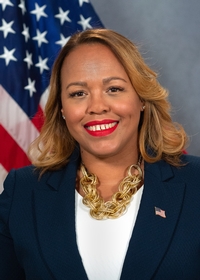
Rep. Johanny Cepeda-Freytiz
Sponsored bills
Maddy summaryHB 1020 creates a system for Pennsylvania municipalities to register vacant and blighted properties and impose annual fees on owners who fail to bring properties into compliance with municipal codes. Properties remain on the registry until owners fix issues or sell to compliant buyers, with fees starting at $500 in year one and rising to $5,000 after nine years. Exemptions include properties under active renovation (within 12 months of a permit), those actively marketed for sale/rent (with time limits), and government-owned properties. This directly affects property owners in municipalities that adopt the registration program, requiring them to pay escalating fees if properties remain unaddressed.
Maddy summaryThis resolution recognizes March 14, 2025, as "Black Midwives Day" in Pennsylvania. It symbolically honors Black midwives' historical and ongoing contributions to maternal health while highlighting persistent disparities, including that Black women in Pennsylvania faced nearly three times the pregnancy-related mortality rate of White women in 2020. The resolution aims to raise awareness about systemic barriers like discrimination, maternity care deserts, and preventable maternal deaths, aligning with the National Black Midwives Alliance's campaign. It does not create new laws or allocate funding but serves as a statement of recognition.
Maddy summaryHB 1126 amends Pennsylvania's tax code to create two new provisions: (1) a tax deduction for fitness facilities that provide free or discounted memberships to active-duty military personnel, National Guard members, or reservists, limited to the regular membership fee and not reducing taxable income below zero; and (2) a personal health investment tax credit of up to $600 per year for eligible military members to cover qualified fitness expenses like gym memberships or exercise equipment. The deduction for facilities is only available if they did not claim the same expense for federal taxes. The credit applies to Pennsylvania resident individuals who qualify as active-duty military, National Guard, or reserve members under state definitions. These changes directly affect fitness businesses and military-affiliated taxpayers in Pennsylvania.
Maddy summaryHB 707 amends Pennsylvania's Freedom to Breastfeed Act to require all Commonwealth-owned buildings (like state offices, courthouses, and the State Museum) to provide dedicated nursing parent rooms. These rooms must be at least 50 square feet, lockable, accessible, and include essentials like a chair, work surface, sink, refrigerator, and privacy. The Department of General Services must install signage, maintain a public online list of room locations, and ensure compliance with accessibility standards. This directly affects employees and the public using state buildings who need to breastfeed or express milk.
Maddy summaryHB 1166 regulates digital platforms that connect healthcare workers with facilities (like staffing apps). It requires these platforms to register with Pennsylvania’s Department of Health ($1,000 fee), verify workers’ licenses, background checks, and insurance, and maintain records for three years. The bill also sets rules ensuring healthcare workers using these platforms are classified as independent contractors (not employees) and must have annual physicals/CPR certification if providing direct patient care. These requirements apply directly to platforms operating in Pennsylvania and the healthcare workers using them.
Maddy summaryHB 1154 requires Pennsylvania's Department of Health to develop and implement a mobile application targeting Medicaid-eligible individuals for pregnancy, prenatal, postpartum, and infant care programs. The app must provide multilingual resources, connect users to state health services, meet clinical standards from major medical organizations, and operate on Android/iOS platforms. The department must select a vendor through competitive bidding within 90 days, paying $10 per user monthly with an annual cap of $500,000. The bill mandates the vendor to report de-identified usage data, including Medicaid eligibility engagement and app interaction metrics, to the department.
Maddy summaryHB 1153 amends Pennsylvania's Vital Statistics Law to waive fees for certified birth records for individuals aged 65 or older. It specifically eliminates charges when seniors request revised birth records to meet requirements under Pennsylvania's REAL ID Compliance Act (2017). The bill directly affects older Pennsylvanians needing birth certificates for REAL ID-compliant identification. This change simplifies access to a key document for this group without altering REAL ID standards or creating new administrative requirements.
Maddy summaryHB 109 creates a new permit review process for specific industrial facilities in Pennsylvania's designated "environmental justice areas" - communities with high pollution burdens and vulnerable populations (low-income, communities of color). It requires the Department of Environmental Protection to consider cumulative environmental and public health impacts when reviewing permits for facilities like large wastewater plants (50,000+ gal/day), major air polluters, waste sites (25+ tons/month), mining operations, and certain landfills. The bill mandates that permits in these areas must address disproportionate environmental impacts, as defined by demographic, economic, health, and environmental data. This directly affects developers and operators of industrial facilities seeking new or expanded permits in designated communities.
Maddy summaryHB 1147 requires builders of new or rehabilitated residential buildings in Pennsylvania to fix significant defects (like water leaks or structural issues) at no cost to purchasers within two years of delivery. Builders must complete repairs within six months of being notified of a defect; if they fail to do so, purchasers can sue in court for 150% of the repair costs. The law applies to buildings delivered within two years of the bill's effective date and excludes cosmetic issues or defects covered by existing warranties. This directly affects homebuyers and builders by creating a clear, time-bound process for addressing construction flaws.