

Maddy summaryThis bill directs the Pennsylvania Department of Health to launch a public education campaign focused on prostate health and cancer screening. The legislation requires the department to provide clear, up-to-date information on risk factors, screening guidelines based on age and risk level, and the benefits and risks of available tests. To support these efforts, the bill establishes a dedicated state fund that can be financed through appropriations, grants, and donations to cover the costs of the campaign. The outreach will utilize various channels, including media, community forums, and partnerships with health providers, while ensuring materials are available in multiple languages.
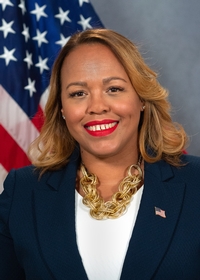
Rep. Johanny Cepeda-Freytiz
Sponsored bills
Maddy summaryThis bill directs the Pennsylvania Department of Health to create a grant program designed to help healthcare providers and facilities run education campaigns about prostate cancer and general prostate health. The Department of Health will manage the program by accepting applications from eligible local healthcare entities and awarding grants ranging from $1,000 to $30,000 to fund the creation and distribution of educational materials. A dedicated fund will be established in the State Treasury to hold money from the General Assembly, donations, and grants, with any leftover funds staying in the program rather than returning to the general state budget. Additionally, the Department of Health is required to submit annual reports to the General Assembly detailing how many grants were awarded, the total amounts involved, and a summary of the educational activities carried out by the recipients.
Maddy summaryThis bill amends Pennsylvania's Patient Test Result Information Act to require laboratories to directly notify patients when their prostate-specific antigen blood tests show abnormal results. Under the new rules, labs must send a notice within five days that includes a plain-language summary of the findings, the name of the doctor who ordered the test, and instructions on how to get the full report. The Department of Health is tasked with overseeing compliance with these notification requirements and creating a publicly available list of age-specific normal and abnormal test levels. While the full results are still sent to the ordering doctor, the law ensures patients receive immediate awareness of potential issues and are encouraged to contact their healthcare provider promptly.
Maddy summaryThis bill amends Pennsylvania's Minimum Wage Act to update provisions regarding training wages for employees under the age of twenty. It allows employers to pay a reduced wage rate during the first sixty days of employment for young workers, provided the employee is informed of their right to the full minimum wage after the training period ends. The legislation also includes a prohibition against hiring new trainees at a lower wage if it results in displacing existing employees through reduced hours or benefits. These changes directly affect employers in the state and young workers entering the workforce, ensuring specific protections while allowing for a temporary training wage structure.
Maddy summaryHR 414 is a Pennsylvania House resolution recognizing May 9-15, 2026, as "National Stuttering Awareness Week" in the state. It symbolically acknowledges the National Stuttering Association’s annual observance to promote understanding of stuttering, a speech disorder affecting approximately 130,000 Pennsylvanians. The resolution highlights common misconceptions about stuttering and emphasizes the importance of reducing stigma, though it does not create new programs or laws. This is a non-binding gesture by the Pennsylvania House of Representatives to support awareness, not a substantive policy change.
Maddy summaryHouse Resolution 396 designates January 2026 as "School Director Recognition Month" in Pennsylvania to honor the 4,500 locally elected school directors serving the state's public school districts. The resolution formally recognizes their roles in providing educational leadership, setting standards, and managing district finances as fiscal stewards of public funds.
Maddy summaryHB 1291 amends Pennsylvania's legal notices statute to clarify definitions and requirements for publishing legal notices. It updates terms like "advertisement" and "digital newspaper" to specify that legal notices must appear in newspapers of general circulation and prohibits unauthorized publications. The bill makes editorial changes to existing definitions without creating new requirements for publishers or government entities. This procedural update ensures consistency in how legal notices are published under current law.
Maddy summaryThis Pennsylvania House Resolution designates May 2026 as Preeclampsia Awareness Month to highlight a serious pregnancy complication involving high blood pressure. The bill aims to increase public knowledge about the condition, which can lead to seizures, strokes, and organ failure if not managed properly. By recognizing this month, the House intends to encourage pregnant individuals to learn about warning signs and seek timely medical care. The resolution does not change laws or allocate funding but serves as a formal statement of support for maternal health awareness.
Maddy summaryThis bill designates June 1, 2026, as "Links Day" in Pennsylvania to honor The Links, Incorporated, a volunteer service organization founded by African American women in 1946. The resolution recognizes the group's significant contributions to community service, economic advancement, and cultural growth through its various chapters across the state. Additionally, the bill formally acknowledges specific Pennsylvania chapters for their outstanding work and directs that a copy of the resolution be sent to the organization as a token of appreciation.
Maddy summaryHR 56 is a resolution directing Pennsylvania's Joint State Government Commission to study voting wait times and resource distribution. The study will examine poll worker staffing, polling locations, voting compartments, and machines across counties to identify ways to reduce voting time and prevent disparities based on race, income, geography, or other factors. The commission must report findings within one year, including wait time data broken down by demographic factors and recommendations for improving in-person voting efficiency. This is a procedural resolution requiring analysis, not a policy change.