

Maddy summaryThis bill amends the Pennsylvania Human Relations Act to update the list of protected characteristics, explicitly adding sex, sexual orientation, gender identity or expression, familial status, handicap, disability, and the use of support animals to existing categories like race and age. The legislation directly affects employers, employment agencies, labor organizations, and providers of housing and public accommodations by clarifying that discrimination based on these new and existing traits is unlawful. It reinforces the state's policy of ensuring equal opportunity and mandates that the Pennsylvania Human Relations Commission enforce these protections through established procedures and penalties. Additionally, the bill includes provisions to protect religious exercise while maintaining the commission's powers and duties to prevent prejudice and handle complaints.
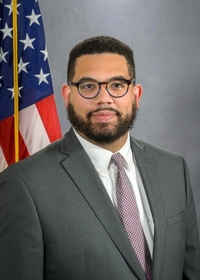
Rep. Manny Guzman
Sponsored bills
Maddy summaryThis bill expands Pennsylvania's existing rules on firearm possession by clarifying the responsibilities of individuals who are legally prohibited from owning guns. It mandates that people facing certain disabilities must surrender their firearms, ammunition, and licenses to law enforcement or transfer them to eligible buyers within a specific timeframe, with stricter requirements for those subject to abuse protection orders. The legislation also introduces new penalties for failing to comply with these surrender orders and for knowingly accepting or returning weapons to prohibited individuals before a court order allows it. Additionally, the bill outlines duties for the Office of Attorney General and establishes procedures for handling firearms in community and municipal courts.
Maddy summaryThis Pennsylvania House Resolution officially designates September 15 through October 15, 2024, as Hispanic Heritage Month within the state. The measure directly affects all Pennsylvanians by formally acknowledging the cultures, history, and contributions of the state's Hispanic and Latino communities. It calls on residents to honor these groups through learning, service, and celebration, recognizing their significant role in the Commonwealth's economy and society. The resolution does not alter laws or policies but serves as a symbolic gesture to highlight the importance of Hispanic heritage.
Maddy summaryThis bill amends Pennsylvania laws to update definitions and policies regarding utility customer protection programs for residential electricity, natural gas, and water services. It clarifies who qualifies as a customer or applicant for assistance, establishes specific income thresholds for determining financial hardship, and expands the scope of these protections to include water and sewer authorities in second-class cities. The legislation also standardizes terms related to complaints, payment arrangements, and service termination to ensure consistent application across different utility types.
Maddy summaryThis bill updates Pennsylvania zoning laws to allow municipalities with over 5,000 residents in growing counties to create rules for multiple-unit housing. It directly affects local governments in these specific areas by expanding their authority to regulate apartment and condominium developments. The key provision adds new eligibility criteria based on population size and recent growth, removing previous restrictions that limited these zoning options. This change aims to provide a clearer legal framework for communities seeking to increase housing density in response to population increases.
Maddy summaryThis bill amends the state's Barbers' License Law to update language regarding who can be licensed as a manager-barber or barber-teacher. The changes remove specific references to cosmetology and adjust the text to clarify that these roles apply to licensed barbers. By deleting certain lines and inserting new wording, the legislation streamlines the rules for professional licensing in barbering.
Maddy summaryThis Pennsylvania law requires fuel delivery trucks to use meters that generate printed receipts for all domestic customers receiving light fuel oils. The bill mandates that each receipt must have a unique serial number and allows customers to choose between a physical ticket or an electronic version if the delivery company has the technology. Sellers are prohibited from charging extra fees for providing receipts in any format, and they must keep all records for two years. The regulation applies specifically to the delivery of light fuel oils to individual consumers within the state.
Maddy summaryHB 897 updates Pennsylvania's Public School Code to streamline credit transfers between public colleges and universities by establishing new definitions and admission standards. The bill guarantees that students transferring with an associate degree or 30 credits will receive full junior standing and face the same admission and retention requirements as students who started at their new institution. It also creates a Dual Credit Innovation Grant Program and mandates specific data reporting to improve transparency and accountability within the higher education system.
Maddy summaryThis bill amends Pennsylvania's Liquor Code to clarify rules regarding ownership interests and employment within the alcohol industry. It specifically allows individuals who own a manufacturer of malt or brewed beverages to work for hotels, restaurants, or clubs, provided they do not serve as a manager or handle alcohol service. Additionally, the legislation establishes new promotion boards for the malt and brewed beverages and distilled spirits industries while updating provisions for license surrenders and operating hours. These changes aim to modernize regulations governing the sale and production of alcohol without restricting business ownership across different sectors.
Maddy summaryThis bill creates the Keystone Fresh Program to increase the amount of locally grown food served in Pennsylvania school meals. It establishes a grant system administered by the Departments of Education and Agriculture to reimburse school districts for purchasing local fruits, vegetables, grains, and other minimally processed foods. The program prioritizes funding for schools that source from veteran farmers, socially disadvantaged groups, new farmers, or those using sustainable agriculture techniques. A separate fund is also created to support the administration of these initiatives, aiming to improve child nutrition and provide economic benefits to local producers.