

Maddy summaryHB 2198 repeals the Computer Data Center Equipment Incentive Program from Pennsylvania's Tax Reform Code of 1971. This bill eliminates tax exemptions and refunds previously available for investments in data center equipment, such as servers, cooling systems, and energy infrastructure. The repeal directly affects computer data centers and their owners/operators who previously qualified for these tax benefits under Article XXIX-D. The policy change removes a specific tax incentive program without creating new provisions. This is a procedural change to the tax code, ending an existing program for data center equipment investments.
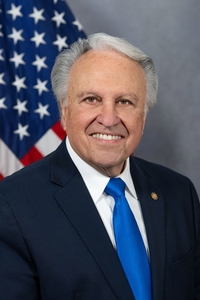
Rep. Eddie Pashinski
Sponsored bills
Maddy summaryThis bill directs Pennsylvania's Human Services department to replace current Supplemental Nutrition Assistance Program cards with new chip-enabled versions by January 1, 2028. The new cards will be provided free of charge to eligible recipients and will include security features like tap-to-pay technology to prevent benefit theft. The department must issue regular reports on the transition progress to state legislators and take steps to secure funding, including applying for federal grants.
Maddy summaryHB 2207 increases the maximum loan amount for small businesses in Pennsylvania seeking capital development loans (for land, buildings, machinery, and equipment) from $400,000 to $2,000,000, or 50% of total project costs, whichever is lower. It clarifies that costs incurred during the 12 months before applying are included in the total project costs calculation. The bill directly affects small businesses applying for these state-backed loans through Pennsylvania's capital development program. The changes take effect 60 days after enactment.
Maddy summaryHB 2234 creates a tax credit for Pennsylvania breweries that donate spent grain byproduct (leftover grain from brewing) to local farms. Breweries can claim a credit of $0.16 per pound of dry weight donated, up to $30,000 annually or their total tax liability, if the grain is delivered to farms within 100 miles. The credit applies to donations made to "eligible agricultural operations" engaged in normal farming activities under Pennsylvania law. Applications must be submitted by February 1 each year for the prior year's donations, with the Department of Revenue reviewing eligibility and coordinating with the Liquor Control Board. This directly benefits breweries and farms participating in the program by reducing brewery tax bills while repurposing brewing waste.
Maddy summaryHB 75 amends Pennsylvania's Osteopathic Medical Practice Act to update the definition of "primary supervising physician" to include medical doctors (MDs) licensed by the State Board of Medicine, alongside osteopathic physicians (DOs). This change allows physician assistants to have either an MD or a DO as their primary supervising physician under a written agreement, expanding oversight options beyond current restrictions. The amendment takes effect 60 days after enactment and does not alter other provisions of the law.
Maddy summaryHB 76 amends Pennsylvania's Medical Practice Act of 1985 to update two key definitions: it revises the term "doctor of osteopathy" to reference the State Board of Osteopathic Medicine (replacing outdated language) and clarifies that a "primary supervising physician" for physician assistants must be licensed by either the State Board of Medicine or the State Board of Osteopathic Medicine. This change directly affects osteopathic doctors, physician assistants, and the licensing boards by aligning the law with current regulatory structures. The bill makes no substantive changes to medical practice rules but ensures definitions accurately reflect the oversight bodies responsible for licensing. It takes effect 60 days after enactment.
Maddy summaryThis House resolution designates June 27, 2026, as PTSD Awareness Day in Pennsylvania to highlight the mental health condition caused by traumatic events. The measure aims to increase public understanding of PTSD symptoms and reduce the stigma surrounding the disorder among all residents, including veterans and first responders. By officially recognizing this date, the bill encourages discussions about available treatments and the importance of seeking help.
Maddy summaryThis Pennsylvania House Resolution designates September 2026 as Prostate Cancer Awareness Month to highlight the importance of early detection and screening for men. The bill includes background information on prostate cancer statistics, symptoms, and recommended screening ages based on risk factors, but it does not create new laws or require specific actions from individuals or organizations. Its primary effect is symbolic, aiming to raise public awareness rather than implementing concrete policy changes or funding programs.
Maddy summaryThis bill amends Pennsylvania's Human Services Code to give the state department authority to require child care centers to maintain financial reserves or insurance covering at least thirty days of operations. It also mandates that any child care facility planning to close must provide written notice to the department, staff, and parents at least thirty days in advance, including a plan for record preservation. Facilities that fail to give proper notice may face liability for parents' lost wages or care costs during the violation period, except in cases of declared disaster emergencies. These changes directly affect licensed child care centers and family child care homes by establishing new financial and notification requirements.
Maddy summaryHB 2527 amends Pennsylvania's Public School Code to update the definition of an 'eligible student' for early learning programs. Under the new provisions, a child qualifies if they are at least three years old, younger than the kindergarten entry age in their district, and live in a household earning no more than 400% of the federal poverty level. This legislative change directly affects eligibility criteria for early childhood education funding and services in the state.