

Maddy summaryHB 1700 would amend Pennsylvania's vehicle laws to allow driver's licenses to include a "communication impairment designation" for individuals with conditions affecting speech or hearing, such as hearing loss or speech disorders. This designation would help drivers communicate more effectively with law enforcement during traffic stops by indicating they may need alternative communication methods. The bill also specifies penalties for violations related to this designation, such as failing to accommodate it during stops. It directly affects drivers with communication disabilities and law enforcement officers interacting with them.
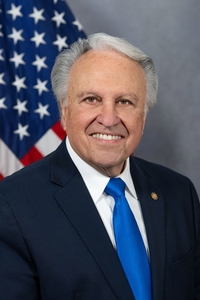
Rep. Eddie Pashinski
Sponsored bills
Maddy summaryThis bill designates the week of May 16 through 22, 2026, as "National Safe Boating Week" in Pennsylvania to highlight the importance of safety on the state's waterways. It directly affects all boaters, including those using powerboats and personal watercraft, by encouraging them to review safety rules such as wearing life jackets and avoiding alcohol. The resolution does not change any laws or create new requirements but serves as a symbolic reminder of existing safety standards and available educational resources. By promoting these practices, the bill aims to raise public awareness about the risks of boating and the steps needed to prevent accidents.
Maddy summaryThis bill is a House Resolution that officially designates May 2026 as "National Bike Month" within Pennsylvania. It directly affects the state's residents and cycling community by formally acknowledging the month to promote cycling as a healthy and practical mode of transportation. The resolution highlights existing state assets, such as over 2,400 miles of trails and various cycling clubs, while encouraging the safe use of public roads and trails. As a commemorative measure, the bill does not create new laws or funding but serves to recognize and celebrate the state's cycling culture.
Maddy summaryThis bill requires health insurance plans in Pennsylvania to cover specific preventive services without charging patients any deductibles, copayments, or coinsurance. The list of covered services is primarily based on recommendations from federal health organizations, such as the U.S. Preventive Services Task Force and the Advisory Committee on Immunization Practices, and is managed by the state Department of Health. While most standard health plans must comply with these requirements, the law explicitly excludes "grandfathered" plans that existed before the bill takes effect. The legislation also establishes a process for the state to add new preventive services or remove existing ones based on current medical evidence and expert recommendations.
Maddy summaryThis bill designates the week of January 24 through 30, 2027, as "Medicolegal Death Investigation Professionals Week" throughout Pennsylvania. The resolution aims to honor the work of these professionals, who are trained to investigate unexpected, unexplained, or suspicious deaths and assist law enforcement and medical examiners. By officially recognizing this specific time period, the legislation seeks to highlight the importance of this workforce to public health and safety without altering any laws or policies.
Maddy summaryThis Pennsylvania bill expands rules against hunting and trapping by explicitly banning the use of devices that involve beating game or wildlife. It also strengthens license penalties by allowing officials to revoke hunting or trapping privileges for specific serious violations, including the new beating prohibition, hunting while intoxicated, entering safety zones, damaging property, shooting at people, and failing to assist after an incident. Additionally, the law permits license revocation for individuals convicted of aggravated cruelty to animals in Pennsylvania or similar offenses in other states. The commission retains the authority to set the specific duration for any license revocations.
Maddy summaryThis bill updates the Pennsylvania Public Utility Code by formally defining "commercial data centers" and refining the legal definition of "public utility." It specifically categorizes large data facilities with a peak demand of 25 megawatts or more as commercial data centers, while simultaneously clarifying that such facilities are not considered public utilities if selling electricity to the grid is not their primary business. These changes aim to provide clearer regulatory boundaries for utility providers and data center operators without altering existing operational requirements.
Maddy summaryThis bill amends Pennsylvania's personal income tax code to clarify that certain educational savings distributions are not taxable. Specifically, it ensures that withdrawals from qualified tuition programs rolled over into a Roth IRA remain exempt from state taxation, aligning state rules with federal tax exemptions. The change directly affects Pennsylvania residents who utilize these specific financial vehicles for education savings. By updating the Tax Reform Code, the legislation provides clear guidance on which income classes are excluded from state tax liability.
Maddy summaryThis bill creates a new tax credit for small businesses in Pennsylvania that help employees pay for health insurance purchased through the state exchange. To qualify, a business must have 50 or fewer employees and make contributions toward health reimbursement arrangements for their workers. The credit is calculated based on the first $1,000 of contributions per employee and can be applied to reduce the business's state tax liability. Companies claiming the credit must submit detailed forms to the Department of Revenue listing employee information and insurance provider details.
Maddy summaryThis bill updates Pennsylvania laws to clarify how dealers are defined and establishes new health requirements for horses and other equines sold by them. Under the new rules, dealers must ensure that any equine they sell has tested negative for equine infectious anemia within the last 12 months, unless the animal is a young foal under six months sold with its mother. Dealers are also required to keep detailed records for at least two years, including information about identification methods like microchips or brands, the date of sale, and copies of health test results.