

Maddy summaryThis bill amends Pennsylvania's race horse industry laws to update definitions and expand the regulatory powers of the state commission. It clarifies that the term "applicant" covers a wide range of individuals involved in horse racing, including owners, trainers, jockeys, veterinarians, and security personnel. The legislation requires these applicants to submit fingerprints for a comprehensive criminal history check that includes verification with the Federal Bureau of Investigation. Additionally, the bill mandates that the commission use this background information to screen individuals for fitness to hold licenses while ensuring the records are maintained according to federal law.
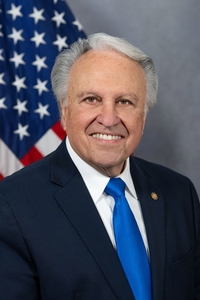
Rep. Eddie Pashinski
Sponsored bills
Maddy summaryThis bill prohibits Pennsylvania county agencies and municipal governments from including clauses in service contracts that waive their right to seek reimbursement from insurance companies for liability claims. It directly affects government entities that hire external service providers regulated under state child and family services rules. By declaring such waiver clauses unenforceable, the legislation ensures that insurance carriers retain the ability to recover costs from the government if a service provider causes a liability issue. The changes apply to any service contracts entered into or renewed after the law takes effect 60 days from its passage.
Maddy summaryThis bill directs the Pennsylvania Commission on Sentencing to study current bail and pretrial release practices across the state. The study aims to identify inconsistencies in how bail amounts are set for similar defendants in different jurisdictions and to develop recommendations for more uniform procedures. The Commission must submit its findings and suggestions for reform to the House of Representatives within two years. This resolution does not change existing laws immediately but initiates a review process to potentially improve fairness in pretrial decision-making.
Maddy summaryThis Pennsylvania House Resolution designates the week of October 11 through 17, 2026, as "Credit Union Week" in the state. The measure aims to recognize credit unions, which are member-owned financial cooperatives serving approximately 5.5 million people across Pennsylvania and New Jersey. By officially naming this week, the resolution highlights the role these institutions play in providing low-cost financial services and encouraging community involvement. The resolution is symbolic and does not create new laws or change any regulations.
Maddy summaryThis bill allows Pennsylvania residents to voluntarily donate $5 when they renew their driver's licenses or vehicle registrations online. The funds collected will go exclusively to the Office for the Deaf and Hard of Hearing to help provide communication access services for those individuals. The donation is optional and will be added to the regular renewal fee, with annual reports required to track how much money is raised and how it is spent.
Maddy summaryThis bill establishes a new framework in Pennsylvania to identify and support communities heavily affected by regional commuter traffic. It creates a system where the Department of Transportation designates specific municipalities as "commuter impact zones" based on criteria such as high out-of-county employment rates, heavy highway congestion, and environmental strain. Once designated, these municipalities become eligible for funding through two new grant programs: one for infrastructure repairs like road maintenance and stormwater management, and another for residential noise reduction, air quality improvements, and small business stabilization. The legislation also sets up a dedicated fund to finance these initiatives and requires the state department to develop specific rules for awarding grants, with individual awards capped at $5 million per year.
Maddy summaryThis Pennsylvania House resolution designates September 27, 2026, as "Gold Star Mother's and Family's Day" within the state. The measure honors families of military service members who died in the line of duty, acknowledging the grief and sacrifice experienced by parents, siblings, and children. By setting a specific date, the bill aims to create an official day of recognition for these families, following the national tradition established by Congress and the White House.
Maddy summaryThis Pennsylvania House resolution designates September 18, 2026, as "U.S. Air Force Birthday" within the state. The measure is a symbolic gesture that formally recognizes the anniversary of the Air Force's establishment as an independent military branch in 1947. It does not create new laws, allocate funding, or change any existing policies. The bill directly affects the Pennsylvania House of Representatives by adding a commemorative designation to the state record.
Maddy summaryThis bill creates a new regulatory framework in Pennsylvania to manage water use by large commercial entities, specifically targeting data centers and other facilities that consume significant amounts of water without returning it to natural sources. It requires these "extraordinary" nonmunicipal users to register with the state and submit detailed reports on their water consumption, while also imposing a new fee on their usage. The collected fees will be placed into dedicated funds to support watershed monitoring, critical water planning areas, and environmental restoration projects, and the bill establishes a process to ask voters if the state should be allowed to take on debt for water-related environmental initiatives. Additionally, the Department of Environmental Protection will be given specific duties to enforce these rules, including requiring preconstruction notifications from major water users, and the act includes penalties for non-compliance.
Maddy summaryThis Pennsylvania House resolution urges the U.S. Congress to pass the Enhanced Cybersecurity for SNAP Act of 2026 to protect Supplemental Nutrition Assistance Program benefits from theft and fraud. The bill proposes requiring all states to upgrade to more secure chip-enabled EBT cards and mandates that federal security regulations be updated at least every five years. It directly affects the millions of low-income individuals and families in Pennsylvania and across the country who rely on SNAP for food assistance. The measure aims to address rising instances of benefit theft through methods like card skimming and cloning, which have left many residents without food.