

Maddy summaryHB 669 amends Pennsylvania's Election Code to establish standardized early voting procedures for all county elections. The bill requires counties to offer in-person early voting for 30 days before each election (ending the day before Election Day), with specific operating hours: weekday mornings to mid-afternoon, extended hours on the final weekend, and additional holiday hours. It mandates county boards to set up permanent early voting locations based on population size (e.g., at least one location in each of the three largest municipalities in counties over 250,000 people). This directly affects all registered Pennsylvania voters by expanding access to early voting through structured, location-based provisions.
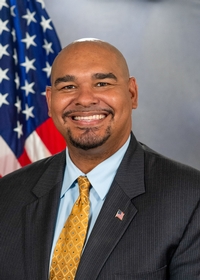
Rep. Justin Fleming
Sponsored bills
Maddy summaryHB 638 prohibits "confession of judgment" clauses in Pennsylvania contracts, which are terms allowing one party to automatically admit a debt and obtain a court judgment without a trial. This affects businesses and consumers by making such clauses void and unenforceable in new agreements. Exceptions apply to contracts signed before the law's effective date or government contracts entered under existing statutes. The bill takes effect 60 days after enactment.
Maddy summaryHB 639 amends Pennsylvania's 1974 Loan Interest and Protection Law to require lenders to provide clear, upfront disclosures to small businesses about commercial loan terms. It defines "small business" as a company with fewer than 500 employees and "provider" as lenders or nondepository institutions arranging loans via online platforms. The bill mandates that providers disclose six specific details before finalizing a loan, including total funds, total cost, payment schedule, prepayment policies, and the annualized interest rate. These disclosures must be signed by the small business's agent. The law takes effect 60 days after enactment.
Maddy summaryHB 654 amends Pennsylvania's State Lottery Law to expand access to the Pharmaceutical Assistance Contract for the Elderly Needs Enhancement Tier (PACENET). It raises the income eligibility thresholds for seniors: single individuals with annual incomes between $14,500 and $45,000, and married couples with combined incomes between $17,700 and $55,000, will now qualify. The bill also allows applicants to round income amounts to the nearest whole dollar when reporting. This change directly affects Pennsylvania seniors who rely on PACENET for subsidized prescription drugs by making the program available to more low-to-moderate-income elderly residents.
Maddy summaryHB 77 updates Pennsylvania's food protection laws to align with the 2022 FDA Food Code. It requires retail food facilities (like restaurants and grocery stores) to prominently display employee allergy awareness posters detailing major allergens and symptoms, and to include allergen information on menus or written materials for customers. The bill also revises definitions of "potentially hazardous food" and mandates that the Pennsylvania Department of Agriculture adopt the FDA Food Code standards, with updates published in the Pennsylvania Bulletin. The law takes effect 60 days after enactment.
Maddy summaryHB 537 amends Pennsylvania's Emergency and Law Enforcement Personnel Death Benefits Act to provide property tax relief for the primary residences of deceased public safety workers. It directs the state to pay local tax authorities the full property tax amount for the surviving spouse's or minor children's primary residence for five years after death (or until the home is sold), if no spouse or minor children survive, the benefit goes to parents. The bill requires surviving family members to provide the tax bill to the relevant department to trigger payments. This change directly affects families of covered personnel, including paid and volunteer firefighters, law enforcement officers, and other emergency responders who died while on duty.
Maddy summaryHB 545 creates a new legal process for individuals wrongfully convicted in Pennsylvania to seek compensation. It establishes eligibility for those whose convictions were overturned due to actual innocence (including overturned convictions, acquittals after retrial, or pardons), excluding accomplices or those who committed perjury. The bill adds a new subchapter (8581-8586) to Title 42, outlining procedures for filing claims, determining compensation amounts, and requiring notice to the Treasury. It also modifies sovereign immunity laws to ensure these claims cannot be blocked by government immunity defenses. This directly affects wrongfully convicted individuals or their heirs who meet specific innocence-based criteria.
Maddy summaryHB 512 amends Pennsylvania law to set a clear maximum for veterans' temporary financial assistance. The bill specifies that payments cannot exceed $2,500 or the veteran's documented need, whichever is less. This change directly affects Pennsylvania veterans eligible for temporary financial aid under Title 51. The key provision simplifies the existing rule by removing outdated language and establishing a fixed cap, ensuring assistance aligns with actual documented need.
Maddy summaryThis resolution recognizes January 27, 2025, as "International Holocaust Remembrance Day" in Pennsylvania. It symbolically aligns Pennsylvania with the United Nations' 2005 designation of January 27 as a day to honor Holocaust victims, educate about genocide prevention, and condemn hate based on ethnicity or religion. The resolution has no binding effect or policy changes - it is a formal statement of recognition. It directly affects Pennsylvania by designating this date for state-level commemoration.
Maddy summaryHB 511 proposes a constitutional amendment to expand Pennsylvania's real estate tax exemption for veterans who served in a war or armed conflict, were honorably discharged, and have a disability rated at 100% by the U.S. Veterans Administration. It would exempt their primary residence from real property taxes if the State Veterans' Commission determines they need the exemption, and extend this benefit to the unmarried surviving spouse of an eligible veteran under the same conditions. This amendment requires approval by the General Assembly and a vote by Pennsylvania voters in a statewide election. The change would directly affect veterans with qualifying disabilities and their surviving spouses who own homes in Pennsylvania.