

Maddy summaryHB 240 amends Pennsylvania's vehicle laws to update the qualifications required for obtaining a school bus driver endorsement. It directly affects school bus drivers and school districts by changing the specific criteria for securing this endorsement, such as background checks or training requirements. The bill revises Title 75 of the Pennsylvania Consolidated Statutes to clarify and strengthen these qualification standards. As Act No. 4 of 2025, it became law after approval by the governor on June 27, 2025. The change focuses solely on the licensing process, not operational rules for school buses.
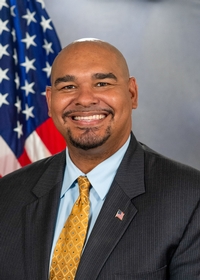
Rep. Justin Fleming
Sponsored bills
Maddy summaryHB 1672 creates a $2,500 annual tax credit against individual income tax for active paid or volunteer firefighters and emergency medical service (EMS) providers in Pennsylvania. It directly affects qualifying professionals working in fire or EMS roles as defined by state law, including career responders and volunteers. The credit reduces tax owed on wages earned, applies for up to three years (the year they become qualified plus the next two), and requires proof of eligibility to the Department of Revenue. The credit expires for new applicants after 2028 and ends entirely by December 31, 2031.
Maddy summaryHR 173 is a non-binding resolution urging Congress to establish a National Infrastructure Bank. It does not create new laws or funding but formally requests Congress take action to create this bank, which would provide financing for infrastructure projects. The resolution directly affects Congress itself, as it calls on the legislative body to initiate this specific action. This is a procedural measure with no immediate policy impact, as it only expresses a recommendation.
Maddy summaryThis resolution urges Pennsylvania school districts to consider later start times for secondary schools (high schools), citing studies showing teens need 8-10 hours of sleep but 98% of PA schools begin before 8:30 a.m. It references CDC and AAP research linking later start times to improved academic performance, reduced absenteeism, and better mental health outcomes. The bill encourages districts to collaborate with health professionals and educators to develop schedules that maintain educational activities while adopting later start times, and asks state agencies to provide resources and public education on adolescent sleep needs. As a non-binding resolution, it does not require policy changes but recommends action based on existing evidence.
Maddy summaryHB 1666 increases Pennsylvania's minimum property damage liability coverage for auto insurance from $5,000 to $25,000 per accident. It updates definitions and requirements in vehicle insurance law, mandating that insurers offer higher coverage limits for bodily injury ($100,000/$300,000) and property damage, while requiring clear notice to policyholders about available benefits. This affects all drivers purchasing or renewing auto insurance policies in Pennsylvania, as insurers must now provide standardized disclosure of coverage options at application. The changes apply to policies issued or renewed 60 days after the bill's effective date.
Maddy summaryHB 506 amends Pennsylvania's Human Services Code to establish a state-funded Child Care Staff Recruitment and Retention Program. It directly affects licensed child care providers and their staff by creating a new program to address staffing shortages. The key mechanism provides state funding for recruitment incentives and retention support, such as signing bonuses or professional development, for child care workers. The bill passed final passage on June 25, 2025, and was referred to the Health & Human Services committee.
Maddy summaryHB 27 amends the Health Care Facilities Act to require hospitals and surgical clinics to install systems that remove smoke generated during certain medical procedures. This directly affects healthcare facilities performing surgeries where smoke is produced, such as those using lasers or electrosurgery. The bill mandates these evacuation systems as part of facility licensing standards under the existing 1979 law. The change focuses on improving air quality and safety for both patients and medical staff during operations.
Maddy summaryHB 1216 amends Pennsylvania's 1968 Unfair Trade Practices and Consumer Protection Law to update definitions of prohibited business practices and clarify which acts are considered unlawful. It specifically adds new provisions targeting deceptive marketing tactics and strengthens exclusions for certain professional services. The bill directly affects businesses operating in Pennsylvania (particularly those in retail, finance, and professional services) and consumers who may encounter unfair practices. The legislation passed its final vote on June 23, 2025, and is now pending review by the Consumer Protection & Professional Licensure committee.
Maddy summaryThe provided context does not include the substantive provisions or specific policy changes of HB 1306. The bill's title only indicates it amends definitions and classes of income under the 1971 Tax Reform Code, but no concrete details about tax rates, brackets, affected groups, or mechanisms are described in the available information. The recent actions (e.g., "Second consideration," "Final passage") reflect procedural steps, not policy content. Without specific language or policy changes outlined in the context, a factual summary of what the bill actually does cannot be provided.
Maddy summaryHB 811 would create civil liability for political candidates who make false statements about themselves or others during campaigns. It allows affected individuals or entities to sue for damages if a candidate knowingly makes a fraudulent misrepresentation. The bill directly affects candidates running for office and voters who may be misled by false claims. Key provisions establish a legal pathway for civil lawsuits rather than criminal penalties, requiring proof of intentional falsehoods. This bill is currently in the Communications & Technology committee after passing final passage.