

Maddy summaryThis bill creates a Pennsylvania State Song Commission to study the history of the current state song, gather public submissions for a new song, and propose changes. The commission would directly affect Pennsylvania residents by potentially recommending a new official state song. Key provisions include conducting historical research, soliciting song submissions from the public, and submitting recommendations to the legislature. The bill is procedural, focusing on the process of reviewing the state song rather than changing it immediately. (Note: This bill was laid on the table in the Senate and did not advance to becoming law.)
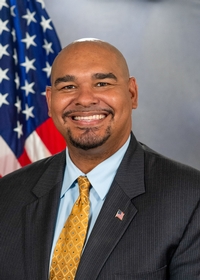
Rep. Justin Fleming
Sponsored bills
Maddy summaryHB 1637 clarifies definitions for gambling devices under Pennsylvania law, directly affecting businesses selling gaming equipment and law enforcement. It defines "amusement games" as devices offering only noncash prizes (like free food or low-value merchandise) with no cash redemption, and "slot machines" as devices that can pay cash, redeemable tokens, or merchandise through chance. The bill specifies that certified gaming devices, antique machines, and true amusement games are excluded from the slot machine definition. This creates clearer legal boundaries to distinguish lawful amusement devices from illegal gambling equipment. The law takes effect 90 days after enactment.
Maddy summaryHR 222 is a non-binding resolution designating May 2025 as "Asthma and Allergy Awareness Month" in Pennsylvania. It directly affects Pennsylvania residents by formally recognizing the importance of asthma and allergy awareness during that month. The bill has no funding or regulatory provisions; it serves solely as a symbolic gesture to highlight public health education efforts related to these conditions. As a procedural resolution, it does not create new laws or alter existing policies.
Maddy summaryHR 194 is a symbolic resolution designating August 2025 as "National Wellness Month" in Pennsylvania. It does not create new laws, allocate funding, or directly affect specific groups; it serves only to recognize wellness awareness during that month. The resolution was referred to the Health Committee and later laid on the table, indicating it did not advance further in the legislative process. This type of resolution is purely commemorative with no policy impact.
Maddy summaryHB 734 amends Pennsylvania's 1951 Landlord and Tenant Act to update landlord responsibilities in tenement and multiple-dwelling buildings. It specifically adds new requirements for landlords when relocating tenants, such as providing relocation assistance during building repairs or renovations. The bill directly affects landlords in older apartment buildings and tenants who may need to move due to property improvements or maintenance. These changes clarify and strengthen existing protections for renters in multi-unit housing.
Maddy summaryHR 214 is a non-binding resolution designating May 2025 as "National Treatment Court Month" in Pennsylvania. It formally recognizes treatment courts, which provide specialized judicial oversight for individuals with substance use disorders or mental health needs, and encourages public awareness of these programs. The resolution does not create new laws or allocate funds; it serves solely as a symbolic gesture to highlight the work of treatment courts statewide. This resolution affects Pennsylvania by directing state officials and the public to acknowledge these courts during May 2025.
Maddy summaryHB 1402 reduces the maximum fee for reviewing teacher certification applications under Pennsylvania's Public School Code to $50. It also creates a special exemption for military service members, veterans, and their spouses, requiring them to pay no more than $10 for certification fees and $25 for professional discipline fees. These changes directly affect educators seeking or maintaining teaching credentials in Pennsylvania public schools. The bill modifies existing sections of the 1949 Public School Code to implement these specific fee caps and exemptions.
Maddy summaryHB 191 updates Pennsylvania's school safety requirements by replacing outdated rules about CPR and defibrillator training. It repeals old teacher certification requirements for CPR instruction and school health service rules about automatic external defibrillators (AEDs). The bill now mandates new CPR and AED training for school staff, sets specific standards for AED availability and placement in schools, and establishes an official AED program. This directly affects public schools, teachers, and school health personnel by requiring updated emergency response protocols. The bill focuses on modernizing school health safety procedures rather than changing other aspects of education.
Maddy summaryHB 704 creates a new Neurodegenerative Disease Research Program and a dedicated funding mechanism within the Department of Health to support research on conditions like Alzheimer's and Parkinson's. The bill directs the Department of Health to manage the program and administer the Neurodegenerative Disease Research Program Fund, which will provide grants for scientific studies. This legislation directly affects researchers, medical institutions, and patients seeking treatments for neurodegenerative diseases by establishing a formal structure for funding and coordinating research efforts. The bill passed the legislature in June 2025 and is now pending final action by the Governor.
Maddy summaryHB 1364 reorganizes Pennsylvania's transportation funding by reallocating money from the Public Transportation Trust Fund to support road and bridge projects. It creates two new funds (the Road and Bridge Project Fund and its Sinking Fund), allows a state agency to issue bonds for infrastructure work, and establishes a Transportation Funding Advisory Commission to guide spending. The bill directly affects how the state finances road repairs and bridge maintenance, adjusting fund distributions and adding oversight. Key changes include authorizing bond sales for projects and requiring the Department of Transportation to follow new allocation rules. These provisions aim to streamline and increase funding for transportation infrastructure without specifying particular projects or outcomes.