

Maddy summaryHB 1721 adds medical assistance coverage under public assistance programs for peer recovery support services. This means individuals receiving state-funded public assistance (like Medicaid) would now have access to coverage for services provided by trained peers who have lived experience with recovery. The bill directly affects people seeking substance use disorder treatment through public assistance programs. It amends the Human Services Code to require coverage for these specific peer services, expanding available treatment options without changing existing eligibility rules. The bill is currently in the Human Services committee for review.
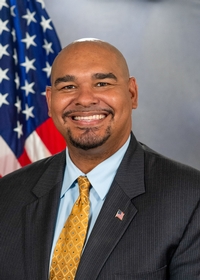
Rep. Justin Fleming
Sponsored bills
Maddy summaryHB 1724 creates a new framework for Pennsylvania government agencies to partner with private companies on sustainable facility projects. It establishes "sustainable capital improvement project contracts" for upgrades like energy-efficient buildings, water systems, and renewable energy installations, directly affecting state agencies, counties, and municipalities. The bill requires competitive sealed proposals for these contracts, mandates public notice of awards, and defines key terms like "qualified provider" (businesses capable of improving energy efficiency) and "key performance indicators" to measure project success. Projects covered include repairs, installations, and maintenance focused on reducing energy use and enhancing resilience. The law aims to streamline procurement while ensuring transparency and measurable outcomes for public infrastructure improvements.
Maddy summaryHB 1532 updates Pennsylvania's Municipalities Planning Code to allow municipalities to create more tailored "specific plans" for defined areas (like downtowns or industrial zones), beyond general comprehensive plans. It clarifies definitions, streamlines the process for local governments to develop these targeted plans, and improves coordination for shared planning between municipalities and counties. This directly affects Pennsylvania towns and cities managing land use and development, giving them greater flexibility in planning for specific neighborhoods or projects. The bill passed in July 2025 and is now law.
Maddy summaryHB 1234 amends Pennsylvania's Human Services Code to require public assistance programs to cover the cost of blood pressure monitors for eligible recipients. This change directly affects individuals enrolled in state public assistance programs who need blood pressure monitoring for health management. The bill adds blood pressure monitors to the list of covered medical equipment under the public assistance program, ensuring these devices are provided without cost to recipients. It does not change eligibility requirements but expands existing coverage to include this specific monitoring tool. The bill passed final passage on July 1, 2025, and was referred to the Health & Human Services committee.
Maddy summaryHB 799 requires businesses with more than 50 full-time employees (working 40+ hours weekly) in Pennsylvania to display or provide online a standardized workplace posting about veteran resources. The posting must include contact information for state and federal veteran benefits, the VA Crisis Line, and local county veterans affairs offices. Employers can meet this requirement by placing the posting in a visible location or on an employee-accessible company website. The Pennsylvania Department of Labor and Industry will create and maintain this standardized posting on its public website. The law took effect on July 7, 2025, with specific provisions requiring the posting to be implemented within 180 days.
Maddy summaryHR 142 requires the Joint State Government Commission to study how juvenile detention centers operate in our state and issue a report with best practices and recommendations. The study will assess current management approaches to identify effective strategies for running these facilities. This resolution directly affects juvenile detention centers by mandating a formal review of their operational standards.
Maddy summaryHB 615 expands legal protection for individuals and organizations donating food to charities by strengthening the existing Donated Food Limited Liability Act. It directly affects food donors (like grocery stores, farms, and businesses) and food banks/receiving organizations by shielding them from liability claims if donated food causes harm - unless the donor acted with gross negligence. The key provision clarifies that donors cannot be sued for injuries related to donated food, provided they followed safety standards. This policy change aims to encourage more food donations by reducing legal risks for donors.
Maddy summaryHB 261 amends Pennsylvania's 1921 Insurance Company Law to update coverage rules for dependents and clarify community health definitions. It requires insurers to continue health coverage for unmarried children with intellectual or physical disabilities (who became disabled before age 19 and remain dependent) past age 19, provided policyholders submit proof within 31 days of the child's 19th birthday. The bill also revises "community health reinvestment activity" to explicitly include programs for preventing/treating intellectual disabilities and mental health services. These changes apply to policies issued after January 1, 1968, affecting insurers, employers offering group plans, and policyholders with disabled dependents. The law took effect immediately upon signing in June 2025.
Maddy summaryHB 378 amends Pennsylvania's child custody laws by adding new factors judges must consider when determining custody arrangements. The bill explicitly requires courts to weigh specific elements, such as the child's adjustment to home, school, and community, alongside existing considerations. This change directly affects judges presiding over custody cases and parents involved in those proceedings. The law became effective immediately upon the governor's approval on June 30, 2025 (Act No. 11 of 2025).
Maddy summaryHB 211 amends the 1996 Medical Foods Insurance Coverage Act to clarify and update the policy statement regarding insurance coverage for medical foods. It does not change coverage requirements but refines the legislative declaration of policy for insurers. This procedural amendment affects health insurance providers and patients relying on medical food coverage under existing law. The bill was enacted as Act No. 8 of 2025 after passing both chambers and receiving gubernatorial approval.