

Maddy summaryThis bill creates a Pennsylvania State Song Commission to study the history of the current state song, gather public submissions for a new song, and propose changes. The commission would directly affect Pennsylvania residents by potentially recommending a new official state song. Key provisions include conducting historical research, soliciting song submissions from the public, and submitting recommendations to the legislature. The bill is procedural, focusing on the process of reviewing the state song rather than changing it immediately. (Note: This bill was laid on the table in the Senate and did not advance to becoming law.)
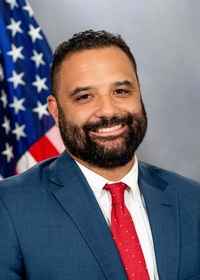
Rep. Dave Madsen
Sponsored bills
Maddy summaryHB 734 amends Pennsylvania's 1951 Landlord and Tenant Act to update landlord responsibilities in tenement and multiple-dwelling buildings. It specifically adds new requirements for landlords when relocating tenants, such as providing relocation assistance during building repairs or renovations. The bill directly affects landlords in older apartment buildings and tenants who may need to move due to property improvements or maintenance. These changes clarify and strengthen existing protections for renters in multi-unit housing.
Maddy summaryHB 1511 creates the Violent Incident Clearance and Technological Investigative Methods Program within Pennsylvania's Commission on Crime and Delinquency. The bill requires the Commission to establish this program, which provides funding and guidance for law enforcement agencies to use technology like digital forensics and data analysis to solve violent crimes more effectively. It directly affects Pennsylvania law enforcement agencies handling violent incidents by mandating new reporting requirements and resource allocation for technology-driven investigations. The program aims to improve clearance rates for violent crimes through standardized, tech-enhanced investigative methods.
Maddy summaryHB 846 amends Pennsylvania's Prevailing Wage Act to clarify job definitions, specify how prevailing wages are calculated for public construction projects, and detail the Labor Secretary's responsibilities. It directly affects construction workers, contractors, and state agencies managing public works by updating administrative processes. The bill makes technical changes to implementation without altering the core requirement that public projects pay local standard wages. These updates aim to improve consistency in applying the existing law across state-funded projects.
Maddy summaryHB 704 creates a new Neurodegenerative Disease Research Program and a dedicated funding mechanism within the Department of Health to support research on conditions like Alzheimer's and Parkinson's. The bill directs the Department of Health to manage the program and administer the Neurodegenerative Disease Research Program Fund, which will provide grants for scientific studies. This legislation directly affects researchers, medical institutions, and patients seeking treatments for neurodegenerative diseases by establishing a formal structure for funding and coordinating research efforts. The bill passed the legislature in June 2025 and is now pending final action by the Governor.
Maddy summaryHB 1088 amends Pennsylvania's 1921 Insurance Company Law to require casualty insurance policies to cover blood pressure monitors. This directly affects policyholders who rely on these devices for managing health conditions like hypertension, ensuring they are not excluded from standard coverage. The bill adds a specific provision mandating insurers to include blood pressure monitors as covered items under casualty insurance policies. It changes insurer obligations without altering broader policy terms, focusing on making a common medical device accessible through existing insurance frameworks.
Maddy summaryHB 1250 amends Pennsylvania's Manufactured Home Community Rights Act to protect residents in manufactured home communities. It requires community owners to allow resident associations and group meetings, and mandates 90-day advance notice for rent increases. The bill caps annual rent hikes at 2-4% (based on regional inflation data), prohibits increases during unresolved health/safety violations, and requires clear disclosure of all fees in leases. These changes directly affect approximately 150,000 manufactured home residents and community owners across Pennsylvania, aiming to prevent exploitative rent practices and stabilize housing costs.
Maddy summaryHB 1084 amends Pennsylvania's fee structure for corporate filings under Title 15, specifically adjusting the corporation bureau's fee schedule for business registrations and UCC filings. It directly exempts volunteer fire companies from paying certain fees and from solicitation requirements typically applied to new corporations. The bill streamlines administrative processes for these organizations by removing financial barriers related to incorporation and business filings. This change applies to all volunteer fire companies operating within Pennsylvania under the state's corporate statutes.
Maddy summaryThis resolution designates June 14, 2025, as the "250th Birthday of the United States Army" within Pennsylvania. It commemorates the founding of the Continental Army on June 14, 1775, and recognizes Pennsylvania's historical role in the Army's formation, including its "Pennsylvania Line" units. The resolution also acknowledges Pennsylvania's large veteran population (nearly 700,000) and honors current and past Army service members. As a commemorative resolution, it has no binding policy impact and serves solely to recognize this historical milestone.
Maddy summaryHB 1072 modifies two existing laws: it updates the Taxpayer Relief Act to clarify eligibility and application processes for senior citizens' property tax and rent rebate programs, directly affecting seniors who qualify for these benefits. It also amends the State Lottery Law to specify how lottery revenue funds are allocated and managed. The bill makes concrete changes to how rebate claims are filed and paid under the senior assistance program, while adjusting the disposition of lottery funds. These amendments aim to streamline administration without creating new programs or altering benefit amounts.