

Maddy summaryHB 1089 restricts the sale and application of sealants containing high levels of polycyclic aromatic hydrocarbons (PAHs), harmful chemicals linked to health and environmental risks, primarily affecting manufacturers, contractors, and businesses selling these products. It establishes a Safer Sealant Fund to support the development of safer alternatives, requires the Department of Environmental Protection to enforce compliance, and allows municipalities to adopt stricter local rules. Violations of the restrictions incur penalties, with the bill aiming to reduce exposure to PAHs through regulatory and financial mechanisms.
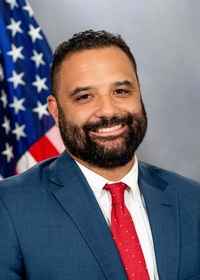
Rep. Dave Madsen
Sponsored bills
Maddy summaryHB 463 prohibits "speculative ticketing," which involves buying event tickets to resell them at significantly higher prices before the event occurs. It directly affects consumers who face inflated prices and ticket sellers engaging in this practice. The bill amends the Unfair Trade Practices Law to ban buying or selling tickets for profit based on anticipated demand, not actual ownership. The bill passed the House on June 4, 2025, and is now pending review by the Consumer Protection & Professional Licensure committee.
Maddy summaryHB 1500 establishes a Cyber Charter School Funding and Policy Council to develop recommendations on funding, governance, and accountability for cyber charter schools by April 2026. The bill requires public school entities to report advertising and sponsorship spending annually, and mandates detailed cost-tracking for special education services based on individualized student plans. It also adds provisions for student wellness checks, enrollment notifications, and fund balance limits for cyber charter schools, while maintaining a moratorium on new cyber charter school approvals. The law directly affects cyber charter schools, public school districts, and students with disabilities in Pennsylvania.
Maddy summaryThis resolution designates June 8-14, 2025, as "Chesapeake Bay Awareness Week" in Pennsylvania. It recognizes the Chesapeake Bay watershed’s importance to Pennsylvania - including its role in providing drinking water, supporting 348 fish species, contributing to the $500 million seafood harvest, and covering half the state’s land area - without creating new laws or funding. The resolution encourages Pennsylvanians to host educational events during this week to raise awareness about the bay’s ecological and economic value.
Maddy summaryHB 282 amends Pennsylvania's Human Services Code (1967) to clarify eligibility rules for individuals receiving medical assistance under public assistance programs. The bill directly affects current and prospective recipients of medical assistance, ensuring consistent application of qualification standards. Key provisions update how eligibility is determined for medical assistance, though specific changes are not detailed in the provided context. The bill passed the House on June 3, 2025, and was referred to the Health & Human Services committee for further review.
Maddy summaryHB 1096 creates the Pennsylvania Food Bucks Program, which provides financial assistance to low-income residents for purchasing fresh fruits and vegetables at participating retailers. The bill establishes a dedicated "Pennsylvania Food Bucks Program Account" within the state treasury to fund the program and requires the state to conduct research on the program's effectiveness. It directly affects eligible low-income Pennsylvanians and participating farmers and retailers by expanding access to healthy food options. The law, which passed on June 3, 2025, focuses on concrete policy changes: creating the program structure, securing funding through the new account, and mandating program evaluation.
Maddy summaryHB 1140 requires health insurers and Medicaid/CHIP managed care plans in Pennsylvania to cover all FDA-approved contraceptives - including prescription drugs, devices, emergency contraception (like levonorgestrel), and oral contraceptives - without any out-of-pocket costs for enrollees. It specifically prohibits prior authorization or step therapy for emergency and oral contraceptives, and mandates coverage for sterilization procedures and related services like counseling. The bill directly affects health insurers, managed care plans, and their enrollees by expanding contraceptive coverage under state insurance regulations. It exempts male condoms from coverage requirements but ensures no cost-sharing for covered contraceptive methods.
Maddy summaryThis bill updates Pennsylvania's pilot program for non-narcotic medication-assisted treatment (MAT) in prisons and parole settings. It removes outdated rules about the program's establishment, clarifies requirements for county participation, and specifies how grant funds can be used for treatment services. The Pennsylvania Commission on Crime and Delinquency gains new duties to oversee the program, and the bill includes administrative updates to the state statutes governing it. The changes directly affect counties administering the pilot program and individuals in prison or parole under the MAT initiative.
Maddy summaryThe context provided does not include the specific policy details or provisions of HB 754. While the bill's title indicates it amends Pennsylvania's County Pension Law (1971) regarding "supplemental benefits," the description lacks concrete information about what those benefits entail, who would receive them, or how the changes would operate. Without additional details on the bill's content, a factual summary of its policy mechanisms or direct effects cannot be provided. For a complete summary, the full text of the bill or an official description would be required.
Maddy summaryHB 79 requires hospitals to establish clear financial assistance programs for patients who cannot afford care, including standardized forms and easily accessible information about eligibility and coverage. It mandates that hospitals publicly share details about their financial aid policies and report their program rules to the Department of Health. These requirements directly affect hospitals operating in the state and patients seeking financial help with medical bills. The bill aims to standardize and increase transparency in hospital financial aid offerings.