

Maddy summaryHR 7022, the Mystic Alerts Act, gives commercial mobile service providers (like phone companies) the option to send emergency alerts via satellite to subscribers. If a provider chooses satellite transmission, it must file this election with the FCC, agree to technical standards, and inform subscribers about the choice. The bill also requires providers to allow subscribers to opt out of receiving these satellite alerts, similar to existing mobile alert opt-out rules. The FCC must establish technical rules for satellite alerting within 12 months of the bill's enactment.
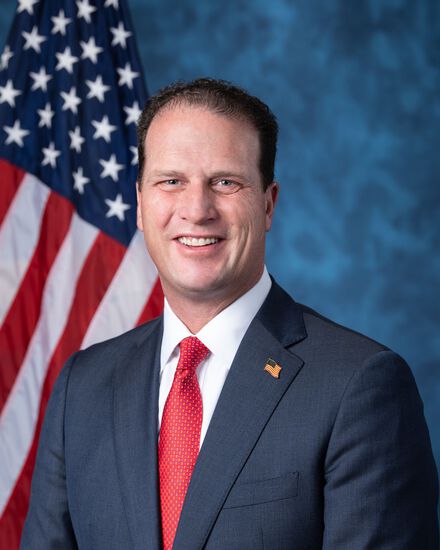
Rep. August Pfluger
Sponsored bills
Maddy summaryHR 1343, the Federal Broadband Deployment Tracking Act, requires the Assistant Secretary of Commerce for Communications and Information to create a plan tracking the processing of Form 299 applications. These applications authorize communications facilities (like cell towers) on public lands managed by the Interior Department or Agriculture Department. The plan must detail how the government will track acceptance, processing, and disposal of these forms, improve transparency for applicants, and address implementation barriers. This procedural bill affects broadband providers and applicants seeking land access for communications infrastructure, without changing land use policies.
Maddy summaryThe FENCES Act clarifies that states can avoid penalties under the Clean Air Act for failing to meet air quality standards if pollution originates from outside U.S. borders (regardless of human activity). It allows states to demonstrate to the EPA that nonattainment areas (for ozone or particulate matter) would meet standards but for pollution from outside their borders, exceptional events, or mobile sources beyond their control. States must renew this demonstration every five years to maintain the exemption from sanctions or fees. The bill does not change air quality standards but prevents penalties for pollution sources outside a state’s jurisdiction. It applies directly to states and local areas struggling with air quality due to external pollution sources.
Maddy summaryThe DEPORT Act of 2026 proposes changes to U.S. immigration law regarding terrorism-related offenses. It would require all naturalization applicants to attest under oath that they have not committed, have charges pending for, or intend to commit specific terrorism-related crimes. The bill also establishes new procedures for denaturalizing U.S. citizens, allowing convictions or credible evidence of these offenses to be used as grounds for revoking citizenship, with certain presumptions of illegal procurement. Furthermore, it would make individuals convicted of such offenses inadmissible to the U.S., deportable if denaturalized, ineligible for most immigration benefits, and permanently barred from future admission. These provisions directly affect naturalization applicants, naturalized citizens, and aliens seeking admission or other immigration benefits.
Maddy summaryThe Stop Climate Shakedowns Act of 2026 prohibits state and local governments from suing energy companies for damages related to climate change or greenhouse gas emissions. This bill declares that regulating emissions is exclusively a federal responsibility and voids any state laws that hold energy businesses liable for alleged climate harms. Consequently, all pending lawsuits of this nature against energy producers must be dismissed immediately, preventing states from imposing retroactive penalties for past lawful operations. The legislation directly affects companies involved in the production, refinement, and sale of oil, gas, and coal by shielding them from civil liability in both state and federal courts.
Maddy summaryThe Every Dollar Counts Act of 2026 requires health insurance plans and issuers to count money spent by individuals on prescription drugs purchased directly, without applying their insurance benefits, towards their annual deductible and out-of-pocket maximums. This means that if an individual pays cash for a drug or uses a discount card instead of their insurance benefits, those expenditures will still contribute to reaching their yearly healthcare spending limits. This change directly affects individuals enrolled in group or individual health insurance coverage. The new rules will take effect for plan years beginning on or after January 1, 2027.
Maddy summaryThis bill (HR 7084) restricts U.S. port access for vessels arriving from specific Western Hemisphere ports that have been seized or expropriated by foreign governments from U.S. owners. It applies only to ports in countries with U.S. free trade agreements, where the port or its exclusive access land (owned by a U.S. person) was nationalized without proper compensation. The President must designate such ports if a foreign government seizes U.S. property under a free trade agreement, and may deny entry to vessels transiting those designated ports until the dispute is resolved. This policy change directly affects U.S. vessel operators and foreign governments involved in property disputes, requiring the President to remove designations once compensation is provided or the dispute is resolved.
Maddy summaryThis bill, titled the Ensuring Better Interest Treatment and Deductibility Act, would change how businesses calculate the limit on interest expenses they can deduct on their taxes. It directly affects corporations and other businesses that pay interest on loans by modifying the rules for determining adjusted taxable income. The key provision removes a specific clause from the tax code that currently limits how much interest can be deducted based on a company's earnings, effectively allowing more interest to be treated as a deductible business expense. These changes would apply to tax years starting after December 31, 2025, meaning businesses would need to adjust their financial planning for future tax filings.
Maddy summaryHRES 971 is a non-binding resolution condemning China's economic and military actions against Japan following Japanese officials' comments about Taiwan. It specifically addresses China's travel advisory (causing $1.2 billion in tourism losses), a ban on Japanese seafood imports, and military drills near Japanese territory. The resolution reaffirms U.S. support for the U.S.-Japan alliance under their mutual security treaty and calls on China to cease coercion. It emphasizes U.S. commitment to upholding a "free and open Indo-Pacific" based on international law. This resolution directly affects Japan's economy and security, with no new legal obligations but serving as a formal U.S. policy statement.
Love Lives On Act of 2025 This bill extends entitlement for various benefit programs and services for surviving spouses of deceased members of the Armed Forces or veterans. The bill provides that the remarriage of a surviving spouse must not bar the furnishing of dependency and indemnity compensation or special pension benefits to such spouse. Additionally, the Department of Defense may not terminate the payment of an annuity for a surviving spouse under the Survivor Benefit Plan solely because the surviving spouse remarries. The bill also expands the definition of a dependent under TRICARE to include a remarried widow or widower whose subsequent marriage has ended due to death, divorce, or annulment.