Issue · Budget & Taxes

Budget & Taxes

Every budget & taxes bill, vote, and legislator stance in Oregon, automatically classified by Maddy, our AI policy reader.

Total bills
334
119th Congress
Top supporter
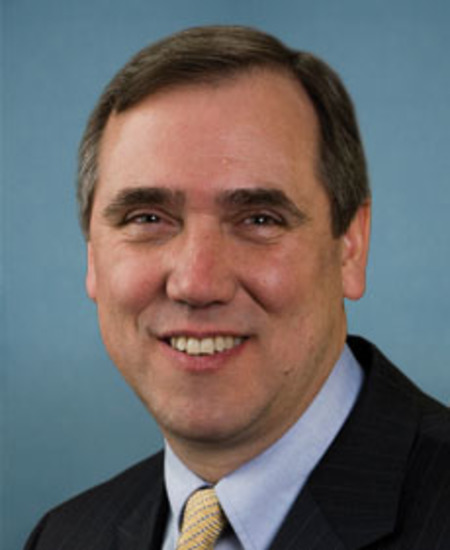
Jeff Merkley
68% support rate
Top opponent
Janelle S. Bynum
18% support rate
Ranked legislators
8
3 support · 5 oppose
Key legislators

Who's moving budget & taxes in Oregon

Legislators moving budget & taxes in Oregon
Legislator Party Stance Support rate Votes
Jeff Merkley
Jeff Merkley Senate
D
Support
68% 274
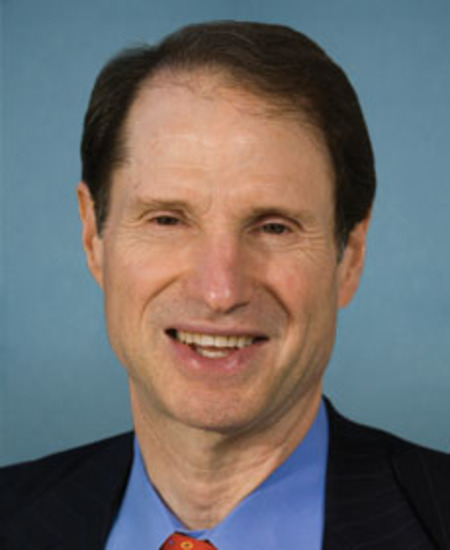
Ron Wyden
Ron Wyden Senate
D
Support
66% 274
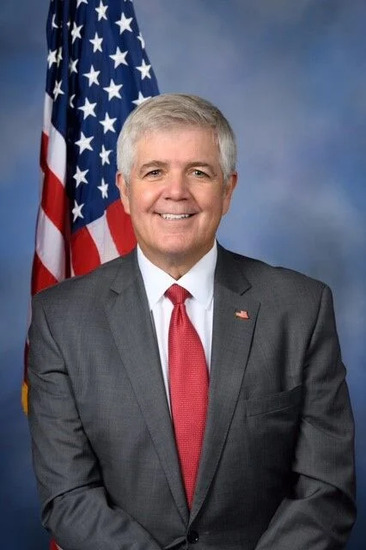
Cliff Bentz
Cliff Bentz House · District 2
R
Support
61% 186
Janelle S. Bynum
Janelle S. Bynum House · District 5
D
Strong −
18% 184
Maxine Dexter
Maxine Dexter House · District 3
D
Strong −
19% 186
Val T. Hoyle
Val T. Hoyle House · District 4
D
Strong −
20% 185
Suzanne Bonamici
Suzanne Bonamici House · District 1
D
Oppose
21% 184
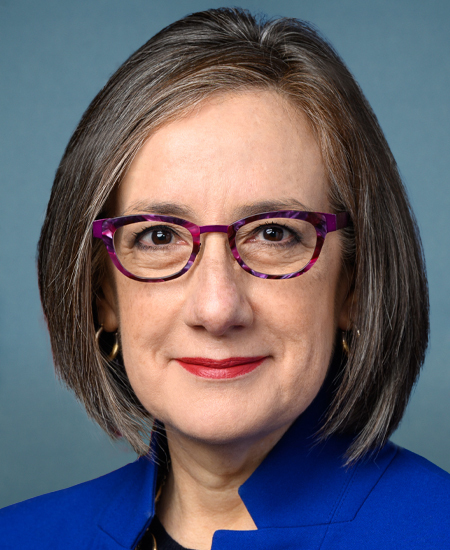
Andrea Salinas
Andrea Salinas House · District 6
D
Oppose
21% 186
Showing 1–10 of 334 bills

All budget & taxes bills

in committee · United States · House Sep 3, 2026

HR 10256: Taxpayer Relief from Big Oil Act

The Taxpayer Relief from Big Oil Act would eliminate existing royalty relief programs for oil and gas companies operating in the Gulf of Mexico and Alaska, requiring these firms to pay full royalties on their production. The bill also mandates that the Department of Interior establish standardized transportation cost deductions for calculating royalties on federal lands and offshore waters, capping these deductions at either 30 percent of the total value of production or actual reasonable costs, whichever is lower. Additionally, the legislation requires the Bureau of Land Management and the Bureau of Ocean Energy Management to submit annual reports to Congress detailing the number of royalty relief applications processed, approved wells, and estimated impacts on government revenue.
in committee · United States · House Aug 17, 2026

HR 10116: Lifeline for First Responders Act

The Lifeline for First Responders Act establishes a new federal grant program administered by the National Highway Traffic Safety Administration to support the mental health and well-being of first responders. The program provides funding to eligible entities, including fire services, emergency medical services agencies, and dispatch centers, at all levels of government. Grant funds may be used for evidence-based stress reduction, suicide prevention, confidential counseling, family support services, and outreach programs aimed at reducing stigma. The bill authorizes $7.5 million in appropriations annually for fiscal years 2028 through 2032 to carry out these initiatives.
Sub-Topics Mental Health Tags Public Safety
in committee · United States · House Sep 3, 2026

HR 10277: Access to School Supplies Act of 2026

The Access to School Supplies Act of 2026 establishes a five-year pilot program that provides competitive grants to up to ten local school districts serving high-poverty schools. These funds are intended to help districts purchase books, supplies, and other materials for students and instructional staff at no cost. The legislation authorizes $100 million annually from fiscal years 2027 through 2031 and requires recipients to submit annual reports detailing how the money was spent and which schools benefited. A small portion of the total funding is reserved for outlying areas and Bureau of Indian Education schools, while the program sunsets on September 30, 2031.
in committee · United States · Senate Aug 6, 2026

S 5331: Protect American Values Act of 2026

The Protect American Values Act of 2026 prohibits the use of federal funds to implement or enforce a specific Department of Homeland Security rule regarding the "Public Charge" ground of inadmissibility. This legislation directly affects immigrants and their families by preventing the government from using financial resources to carry out policies that could restrict access to essential services like food, medical care, and housing. The bill includes a statement of congressional intent arguing that the targeted rule would harm community health, increase poverty, and circumvent established immigration laws. By blocking funding for this specific regulatory action, the act aims to maintain current eligibility standards for public assistance without altering the underlying statutory framework.
in committee · United States · House Aug 13, 2026

HR 10102: Data Center Community Reinvestment Act of 2026

The Data Center Community Reinvestment Act of 2026 imposes a federal excise tax of one cent per kilowatt-hour on electricity consumed by data centers with a peak power load exceeding one megawatt. The revenue generated from this tax is divided equally among five specific government funds: the Land and Water Conservation Fund, the Housing Trust Fund, the Hazardous Substance Superfund, the Highway Trust Fund, and a newly established Energy Technology Trust Fund. This legislation directly affects large-scale data center operators by adding a cost to their energy usage, while directing the collected funds toward infrastructure, environmental cleanup, housing, and energy technology initiatives.
in committee · United States · Senate Aug 6, 2026

S 5275: Presidential Tax Accountability and Audit Integrity Act

The Presidential Tax Accountability and Audit Integrity Act prohibits the Treasury Secretary from honoring any agreements, waivers, or orders that affect federal tax matters involving the President, their immediate family members, or closely associated business entities during the President's term in office. The bill applies retroactively to instruments created after January 20, 2025, ensuring that tax assessment periods for these individuals do not expire until three years after the President leaves office. To ensure transparency, the Treasury Department is required to submit reports to Congress and make them publicly available within seven days of any such instrument being identified, with additional updates every thirty days. These disclosures are permitted under federal tax privacy laws specifically to identify the affected taxpayers and detail the actions taken to enforce their tax obligations.
in committee · United States · Senate Jul 23, 2026

S 5106: Wildfire Insurance Affordability Act

The Wildfire Insurance Affordability Act establishes two main programs to help homeowners in high-risk areas reduce fire danger and lower insurance costs. First, it creates a grant program for states and local agencies to fund home hardening projects, such as upgrading roofs and installing fire-resistant materials, with funding distributed based on population, fire risk, and the needs of low-income or rural communities. Second, it launches a five-year pilot program that provides vouchers to low-income households in high-risk zones to help pay their wildfire insurance premiums, but only after they have completed specific safety improvements. The bill also ensures that money received from these new programs is not counted as taxable income for individuals.
Sub-Topics Forestry
in committee · United States · Senate Jul 30, 2026

S 5184: FORK Act of 2026

The FORK Act of 2026 creates a pilot program to provide grants for purchasing, retrofitting, or repairing vehicles used to deliver summer meals to children. These grants are intended for service institutions, such as schools or community organizations, and will prioritize applicants in areas with high poverty, outside major metropolitan regions, or serving many students from disadvantaged backgrounds. Each eligible recipient can receive up to $100,000 for a one-year term, with a limit of 10% of funds allowed for administrative costs. The program authorizes $1 million per year for fiscal years 2027 through 2029 and requires recipients to report on the number of sites served and children fed, with a final report due to Congress four years after the program begins.
Sub-Topics Procurement
in committee · United States · House Aug 3, 2026

HR 10038: FORK Act of 2026

The FORK Act of 2026 creates a pilot program to provide grants for purchasing, retrofitting, or repairing vehicles used to deliver summer meals to children. These grants, totaling up to $100,000 per recipient, are intended for service institutions in areas with high poverty, outside major metropolitan regions, or serving many socially disadvantaged students. The program authorizes $1 million annually for fiscal years 2027 through 2029 and requires recipients to report on the number of sites and children served. Additionally, the bill mandates that grant recipients limit administrative expenses to 10% of the funds and directs the Secretary of Agriculture to submit a final report to Congress within four years of the program's start.
Sub-Topics Procurement
in committee · United States · House Jan 13, 2026

HR 6061: American Farmers First Act

This bill prohibits the use of a federal fund to provide financial support to Argentina's markets, including currency swaps or debt purchases, with existing contracts requiring termination within 7 days. It redirects funds from this prohibition - specifically from the sale or termination of affected financial instruments - to create a one-time economic relief program for U.S. crop producers. The program provides payments to farmers who experienced export market losses for specific crops during the 2025 marketing year, as determined by the Secretary of Agriculture. The relief targets direct economic impacts on agricultural producers tied to lost exports, not broader market interventions.
Showing 1 to 10 of 334 bills
1 2 3 34 Next