

Maddy summaryThis bill ensures uninterrupted funding for Head Start programs in fiscal year 2026 by appropriating necessary funds from the Treasury if regular or continuing appropriations for that year are not enacted by September 30, 2026. It directly affects Head Start programs and the children and families they serve by preventing service disruptions during funding gaps. The key mechanism requires funding to continue under the same conditions as fiscal year 2025 (as established by the Full-Year Continuing Appropriations and Extensions Act, 2025) until either regular appropriations are passed, a specific appropriations resolution is enacted, or September 30, 2026. The bill does not create new funding but maintains current levels to avoid program interruptions.
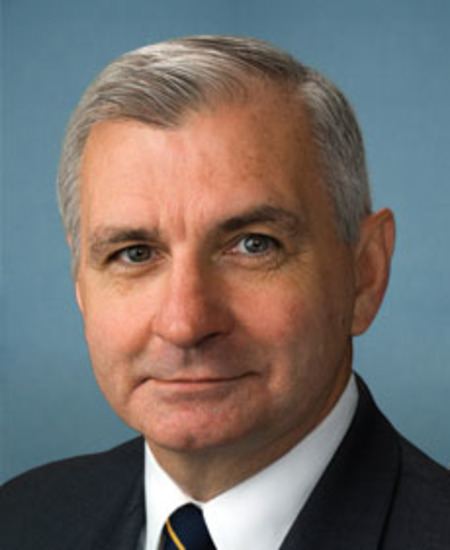
Sen. Jack Reed
Sponsored bills
Maddy summarySRES 482 is a ceremonial Senate resolution recognizing November 3-7, 2025, as "National Veterans Small Business Week." It does not create new laws or policies but formally acknowledges veteran-owned small businesses, which employ nearly 3.3 million people and generate over $952 billion in annual sales. The resolution expresses support for these businesses and appreciation for veterans' entrepreneurship, while highlighting the Senate Committee on Small Business and Entrepreneurship’s annual observance of this week. It has no direct impact on regulations, funding, or veteran business operations.
Maddy summarySRES 481 is a non-binding Senate resolution urging the Trump administration to use the USDA’s existing $4.5 billion contingency funds and interchange authority to fund the Supplemental Nutrition Assistance Program (SNAP) for November 2025. The resolution states that SNAP is an entitlement program requiring government funding, and the USDA legally has the authority to draw from these reserves to avoid benefit disruptions. This would directly support the 42 million Americans who rely on SNAP, including 16 million children, 8 million seniors, 4 million people with disabilities, and 1.2 million veterans. The resolution does not change the law but calls for immediate action to maintain food assistance during a potential funding gap.
Maddy summaryThis bill (SJRES 81) terminates a national emergency declared by the President on July 30, 2025, which authorized additional duties on goods imported from Brazil. It directly affects importers of Brazilian products by ending the emergency authority that allowed these extra tariffs to be imposed. The resolution formally ends the emergency status under the National Emergencies Act, removing the legal basis for the duties. The bill does not change existing tariff rates but stops the emergency designation that enabled them.
Maddy summaryThis joint resolution terminates a national emergency declared by the President on February 1, 2025, which authorized the imposition of import duties on goods from Canada. It directly affects Canadian importers and businesses exporting goods to the U.S. that were subject to these duties under the emergency authority. The bill formally ends the emergency declaration under the National Emergencies Act, removing the legal basis for the duties but not automatically eliminating the duties themselves. This is a procedural action to revoke the emergency status, not a change to trade policy.
Maddy summaryThis bill provides temporary funding for military pay and certain civilian employee salaries during fiscal year 2026 if Congress hasn’t passed regular appropriations. It covers all active-duty military members, reserve personnel on active duty or training, and civilian employees of the Defense Department, Coast Guard, intelligence community (including the CIA and National Intelligence Director’s office). The funding remains available until either regular appropriations are enacted, the Intelligence Authorization Act passes, or September 30, 2026. It does not change existing pay policies but ensures continuous payment during budget gaps.
Maddy summaryThis bill ensures uninterrupted access to SNAP (food stamps) and WIC benefits during government funding gaps in fiscal year 2026. It authorizes the Treasury to provide emergency funds if Congress fails to pass full-year appropriations for the Department of Agriculture by September 30, 2025, covering all missed benefits retroactively from September 30, 2025. State agencies administering these programs would be reimbursed for costs incurred during the funding lapse. The funding automatically terminates once Congress passes 2026 appropriations or by September 30, 2026.
Maddy summaryThis bill, S 3072 (No Coffee Tax Act), prevents new tariffs on coffee imports from countries with normal trade relations with the U.S. It freezes the existing tariff rate for coffee products at the level effective as of January 19, 2025, prohibiting any increase. The bill directly affects U.S. coffee importers, roasters, and businesses that rely on imported coffee beans or products. Key provisions require that no additional duty or tariff may be imposed above this frozen rate, regardless of emergency circumstances or other tariff authorities.
Maddy summaryThis bill changes how Social Security cost-of-living adjustments (COLAs) are calculated for seniors, directly affecting beneficiaries aged 62 and older who receive Social Security benefits. It requires the government to use either the standard Consumer Price Index for Wage Earners (CPI-W) or a new index tracking costs for seniors (CPI-E), whichever results in a larger annual adjustment. The bill directs the Bureau of Labor Statistics to publish the CPI-E index, reflecting spending patterns of seniors, and uses a research index until it becomes available. The changes would apply to COLAs calculated for cost-of-living computation quarters ending on or after September 30, 2026.
Maddy summaryThis Senate resolution designates September 2025 as "National Childhood Cancer Awareness Month" to highlight childhood cancer as a public health priority. It requests federal, state, local, and nonprofit entities to observe the month with awareness activities aimed at increasing public knowledge of childhood cancer risks. The resolution also encourages ongoing care for cancer survivors and recognizes the impact of childhood cancer on families. It does not create new laws, funding, or policy changes - it is a symbolic designation focused solely on raising awareness and honoring affected children.