

Maddy summarySB 2168 updates Oklahoma's rules for gathering signatures on initiative and referendum petitions. It requires signature gatherers to be registered voters for at least one year, verify signatures via an updated affidavit, and disclose if they are paid (and by whom) while collecting signatures. The bill also limits signatures from any single county to 11.5% of votes cast there in the last gubernatorial election, prohibits payment based on signature counts, and mandates weekly reports on petition-related spending from in-state sources. These changes aim to standardize signature verification, increase transparency, and prevent undue influence in the petition process.
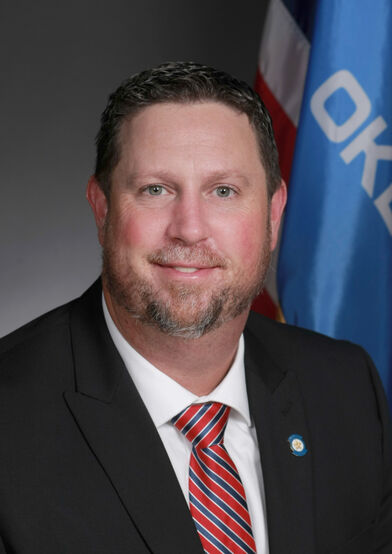
Sen. David Bullard
Sponsored bills
Maddy summarySJR 40 proposes a constitutional amendment to change the term length for Oklahoma State Regents for Higher Education from nine years to four years and limit regents to two terms. This directly affects the nine members appointed by the governor (with senate confirmation) who oversee public universities. The amendment would require voter approval through a referendum, as specified in the proposed ballot title. If passed, it would replace the current term structure outlined in Article XIII-A of the Oklahoma Constitution.
Maddy summarySJR 34 is a proposed constitutional amendment that would prohibit most abortions in Oklahoma by defining "abortion" as intentionally terminating an unborn person's life from conception. It requires healthcare providers to attempt live births when a medical condition threatens the mother's life, making every reasonable effort to preserve both lives. Violating this prohibition would be classified as first-degree murder, and the amendment grants criminal immunity to providers who meet the reasonable effort standard, while allowing civil lawsuits with $10,000+ per violation and attorney fees. The amendment explicitly excludes contraceptive use before pregnancy detection and permits medical procedures for live birth, ectopic pregnancy care, or miscarriage management.
Maddy summaryThis Oklahoma constitutional amendment (SJR 32) would change how voter percentages are calculated for initiative and referendum processes. It modifies the reference point for determining voter ratios from the Governor's election to "the state office receiving the most votes," and allows county residents to petition for "any purpose authorized by law" instead of limited specific purposes. The bill also reduces the required signatures for county petitions to either 11.5% of county voters or 5,000 voters (whichever is smaller). These changes aim to update the state's initiative and referendum procedures under Article V of the Oklahoma Constitution.
Maddy summarySB 1194 directs Oklahoma's State Board of Career and Technology Education to create a pilot program offering grants to public school districts for career and technology programs in grades 9-12. School districts must prove no nearby tech center exists, that the program meets workforce needs, and has student interest to qualify. The program allocates $10 million (subject to funding) to support districts of varying sizes, including those with under 2,500 students, and requires annual reports on student participation and spending. It also directs the State Board of Education to evaluate whether these programs qualify for graduation credit.
Maddy summarySB 1196 modifies Oklahoma's Limited Use Permit requirements for small-scale mining operations. It restricts these permits to a maximum of two acres, limits them to 12 months with no renewal, and requires a $3,500 reclamation bond. The bill also eliminates public hearing and notice requirements for Limited Use Permits (previously required under Section 724) while adding prohibitions on processing equipment and explosives. These changes directly affect small-scale miners seeking permits for limited land disturbance, streamlining the process but imposing stricter financial and operational limits.
Maddy summaryOklahoma's HJR 1036 is a joint resolution applying to Congress to call a constitutional convention under Article V. It proposes a constitutional amendment that would prohibit paying compensation to the President, members of Congress, and Supreme Court Justices during any federal government shutdown (defined as a lapse in appropriations due to failure to pass a balanced budget or continuing resolution). The resolution also states that failing to pass a balanced federal budget by March 31 each year would make those officials ineligible for re-election. This bill seeks to establish a direct link between budget passage deadlines and compensation for federal officials.
Maddy summarySB 1190 requires Oklahoma public school districts to hold at least one "industry day" annually for students in grades 9-12 starting in the 2026-2027 school year. It mandates collaboration between school districts, local employers, career centers, and colleges to provide students with information about local career opportunities and the education/training needed for those jobs. Industry day can be integrated into existing programs like the Individual Career and Academic Plan (ICAP) or linked to apprenticeship and work-based learning initiatives. The bill takes effect July 1, 2026, directly affecting all Oklahoma public high schools and their students.
Maddy summarySB 1225 amends Oklahoma's real estate licensing code to require brokers and agents to disclose all fee details - including who pays and how much - before services begin. It mandates that brokers provide a detailed fee accounting within 10 days (or upon request) for any fees collected upfront. The bill also prohibits requiring a "buyer broker showing agreement" before showing properties to clients. These changes directly affect real estate professionals and their clients, taking effect November 1, 2026.
Maddy summarySB 1227 allows mobile crisis teams (groups of mental health professionals and peer specialists) to request safety-related information from police before responding to mental health, substance use, or suicidal crises. It requires local law enforcement agencies to create protocols for sharing only necessary safety details - like weapons history, violent behavior patterns, or outstanding warrants - with the teams. The bill limits disclosures to what ensures responder safety, keeps information confidential, and grants police immunity for following these protocols. This directly affects mobile crisis teams, law enforcement, and individuals in crisis by improving safety coordination during emergency responses.