

Maddy summarySB 1974 amends Oklahoma statutes (70 O.S. 2021 Sections 13-101 and 13-102) to update eligibility for special education services for children with disabilities, including specific learning disabilities. It requires school districts to conduct evaluations within defined timeframes, clarifies consent requirements for services, and mandates specific team compositions for Individualized Education Program (IEP) development. The bill strengthens due process procedures by requiring prior notice for evaluations, establishing clear dispute resolution steps, and directing the State Board of Education to create procedural safeguards for parents. It directly affects school districts, parents or legal guardians, and children aged 3-22 who qualify for special education services under Oklahoma law. The changes focus on procedural clarity and timely service delivery without altering eligibility criteria or funding mechanisms.
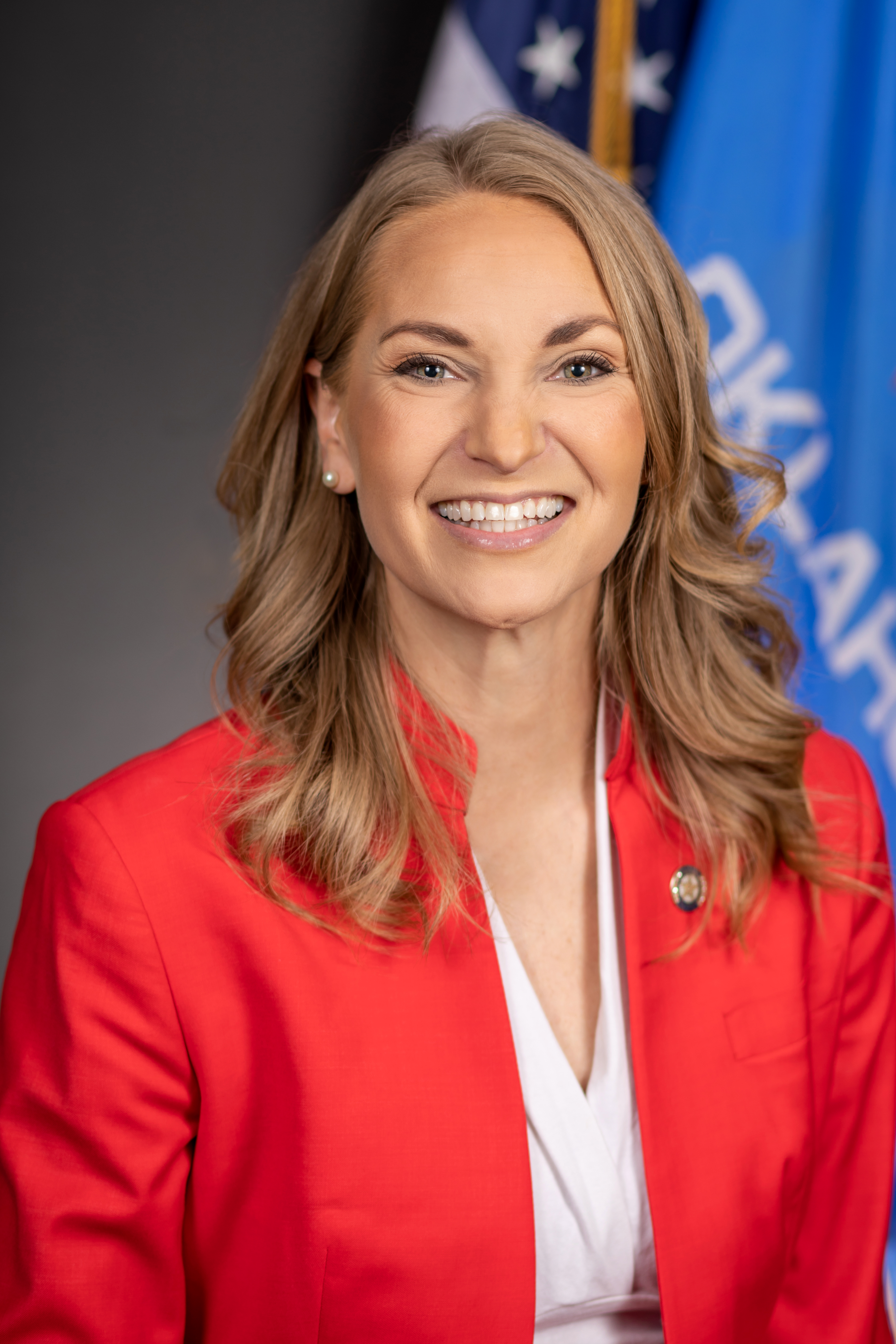
Sen. Carri Hicks
Sponsored bills
Maddy summaryThis bill restructures Oklahoma's Tourism and Recreation Department governance by ending the Commission's role as an advisory body and granting it direct authority. It requires the Commission to appoint the Executive Director (replacing the Governor's appointment power) and set their salary, while removing the Governor's authority to appoint or remove the Director. These changes directly affect the Commission members, the Executive Director position, and the Governor's oversight role. The bill shifts decision-making power from the Governor to the Commission, modifying how the department is managed.
Maddy summarySB 1508, the Compassionate Access to Medical Marijuana Act, requires licensed Oklahoma health care facilities to permit medical marijuana use by patients with a terminal illness (expected to live one year or less) who hold a valid state medical marijuana license. Facilities must prohibit smoking/vaping, document use in medical records, enforce locked storage, and develop written guidelines, but cannot be required to recommend marijuana or include it in discharge plans. The bill excludes emergency departments and does not alter existing state marijuana laws or federal scheduling restrictions. It takes effect November 1, 2026.
Maddy summarySJR 24 proposes a constitutional amendment requiring the Oklahoma Superintendent of Public Instruction to have completed specific educational certification. This change would apply to all future officeholders, modifying current eligibility requirements under Article VI of the Oklahoma Constitution. The amendment must be approved by voters through a referendum before taking effect. The measure does not affect current officeholders or alter other eligibility criteria for the position.
Maddy summarySB 1291 amends Oklahoma's Strong Readers Act by removing a three-year pilot program for literacy instructional teams and increasing the required number of literacy specialists from 10 to 100 per state. The bill directly affects Oklahoma public schools, particularly those supporting students with reading difficulties or dyslexia, by mandating more specialized staff to assist teachers. Key provisions include requiring biennial reports to state leaders on program effectiveness and updating specialist qualifications to prioritize dyslexia expertise. The changes take effect July 1, 2026, as an emergency measure.
Maddy summarySB 1293 creates a new "LETRS Training Revolving Fund" within Oklahoma's State Department of Education to provide training in Language Essentials for Teachers of Reading and Spelling (LETRS) to pre-K through third-grade public school teachers. The fund, financed by state appropriations, will cover training costs for all eligible teachers within five years, subject to available funding. This policy change directly affects certified teachers in Oklahoma public schools serving early grades, aiming to improve foundational literacy instruction. The bill establishes the fund as a continuing resource, allowing repeated use of allocated funds for ongoing training needs.
Maddy summaryThis bill prevents health insurers from changing coverage for a prescription drug after it has been preapproved and the patient has already started taking it. It specifically prohibits insurers from increasing costs, denying coverage, moving the drug to a higher-cost tier, or switching to a generic without consent. Exceptions only apply if the FDA issues a safety warning or the drug manufacturer discontinues production. This directly protects patients with ongoing prescriptions who rely on specific medications.
Maddy summarySB 1334, the Strong Readers Act, requires Oklahoma public schools to screen all kindergarten through third-grade students for reading skills at the start, middle, and end of each school year. The bill mandates that the State Board of Education approve at least three screening tools meeting specific criteria, including alignment with reading science, validity, and ability to support students with disabilities or English learners. Schools must provide individualized reading intervention plans within 30 days for students not meeting grade-level targets, including evidence-based instruction and progress monitoring. The law takes effect for the 2026-2027 school year.
Maddy summarySB 1382 establishes Oklahoma's Medicaid Diabetes Prevention Program (DPP) for members with prediabetes, requiring the Oklahoma Health Care Authority to implement an evidence-based lifestyle program aligned with CDC standards. The program mandates 22 initial coaching sessions over one year (with maintenance sessions for those achieving 5% weight loss), delivered by trained peer coaches using CDC-approved curricula focused on healthy eating and physical activity. Medicaid providers must offer the program, and payment for services is limited to 80% of Medicare rates, with unlicensed coaches needing provider arrangements for reimbursement. The bill affects Oklahoma Medicaid enrollees with prediabetes and their providers, effective November 1, 2026.
Maddy summarySB 1357 requires Oklahoma to provide dollar-for-dollar matching funds for federal adult education and family literacy grants received by the state. It directs these funds to school districts offering high school equivalency diploma courses, with the State Board of Career and Technology Education distributing the money. The bill includes a contingency: if federal funding ends, Oklahoma must continue matching at twice the previous year’s federal amount (if funding allows). The law takes effect July 1, 2026, and was declared an emergency to allow immediate implementation.