

Maddy summaryHB 2977 allows Oklahoma residents with hidden disabilities - such as autism, hearing impairments, or cognitive conditions - to voluntarily add a discreet, standardized indicator to their driver's license or state ID card. The indicator, approved by Service Oklahoma, does not disclose the disability type or medical details and cannot be used by law enforcement for profiling, investigation, or creating reasonable suspicion. Residents may request removal of the indicator at any time without penalty, and the indicator is prohibited from being stored as a medical record or used beyond official identification purposes. The bill requires Service Oklahoma to create rules for implementation but explicitly prohibits requiring medical documentation or mandating participation. This policy change directly affects Oklahomans with non-obvious disabilities seeking safer interactions with law enforcement.
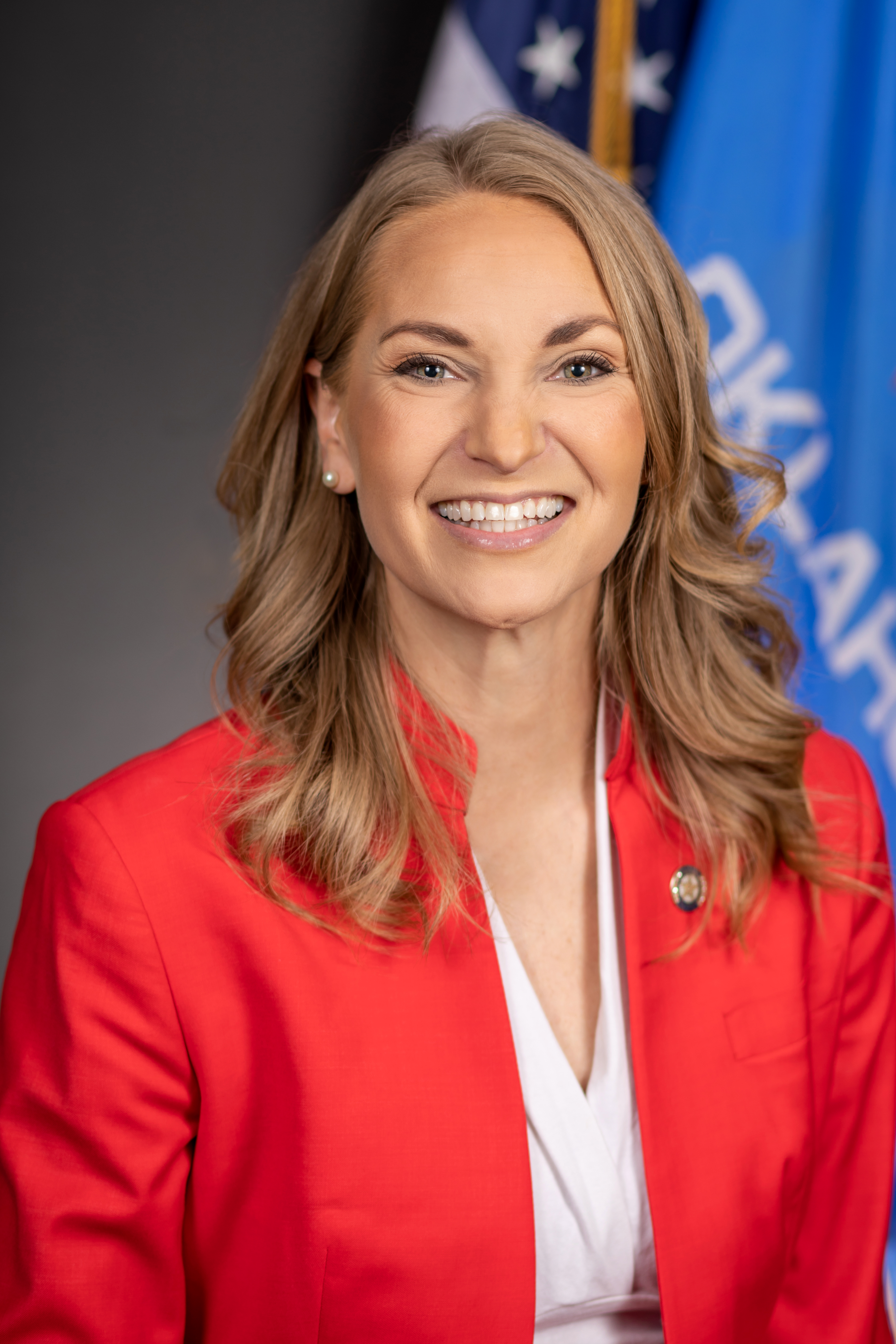
Sen. Carri Hicks
Sponsored bills
Maddy summarySB 1335 requires campus police officers at Oklahoma's public universities, community colleges, and public school districts to complete six hours of evidence-based sexual assault and sexual violence training. Existing officers must complete this training within one year of the bill's effective date (July 1, 2026). The bill updates Oklahoma's Campus Security Act to mandate this training for all campus police officers employed by governing boards of higher education institutions and public school districts. It does not change other officer duties or requirements, focusing solely on this specific training obligation.
Maddy summarySB 1383 requires Oklahoma Medicaid to cover diabetes self-management education and support (DSMES) for beneficiaries with diabetes. It mandates the Oklahoma Health Care Authority to develop a state plan amendment for this coverage after completing a feasibility study and reporting on costs, clinical evidence, and pilot results. The bill defines DSMES as personalized education covering healthy eating, physical activity, blood sugar monitoring, and medication management. This policy change directly affects Oklahoma Medicaid enrollees diagnosed with diabetes by expanding their covered health services. The bill becomes effective November 1, 2026.
Maddy summarySB 1329 requires Medicaid providers in Oklahoma to screen women for postpartum depression during any in-person visit with a Medicaid member or her infant within one year after childbirth. This screening must be reimbursed under the state Medicaid program, directly affecting Medicaid providers and pregnant/postpartum women enrolled in Medicaid. The bill mandates the Oklahoma Health Care Authority to seek necessary federal approval and develop implementing rules. It becomes effective November 1, 2026, aiming to integrate mental health checks into routine postpartum care.
Maddy summarySB 1413 requires Oklahoma public school districts to notify parents in writing when a teacher with a temporary emergency certificate (issued for urgent staffing needs) teaches their child. The notification must include the teacher's name and classes. The bill also sets specific limits - 90 to 270 clock hours - for professional education training in alternative teacher certification programs, replacing previous flexible requirements. These changes directly affect parents, students, school districts, and teachers seeking certification through alternative pathways.
Maddy summarySB 1506 modifies Oklahoma's appointment process for the Commissioner of Mental Health and Substance Abuse Services. It changes Section 2-101 to state that the Commissioner, appointed by the Governor with Senate advice and consent, may now be removed from office by a two-thirds vote of both legislative chambers. The bill also updates statutory references to align with the department's current name. This procedural change directly affects the Commissioner's position and the legislative authority over their removal, effective November 1, 2026.
Maddy summarySB 1504 amends Oklahoma law to change how the Administrator of the Oklahoma Health Care Authority is appointed and removed. It requires the Governor to appoint the Administrator with the Senate's advice and consent, and allows the full Legislature to remove the Administrator via a two-thirds vote of both chambers. The bill also updates reporting requirements for the Authority and clarifies the Board's role in governance. These changes directly affect the Governor, Senate, and the Authority's leadership by altering appointment and removal processes. The bill takes effect November 1, 2026.
Maddy summarySB 1507 requires Oklahoma hospitals to offer flu vaccines to patients aged 65 or older during their hospital stay, specifically between October 1 and March 1 each year. This applies to all inpatients in Oklahoma hospitals who are 65+ and medically able to receive the vaccine, following CDC guidelines. Hospitals must provide this offer before patients are discharged, unless the vaccine is unavailable or the patient has a medical reason not to receive it. The law takes effect on October 1, 2026, directly impacting hospitals and senior patients during flu season.
Maddy summarySB 1505 restores authority to Oklahoma's State Board of Health, which previously had all its powers transferred to the State Commissioner of Health in 2019. The bill modifies the appointment process, requiring the Governor to appoint the Commissioner with Senate confirmation (instead of the Board appointing the Commissioner), and clarifies the Board's composition with specific medical licensing requirements for physician members and executive experience for other members. It also specifies that the Board must include members representing all 77 Oklahoma counties through designated geographic districts. This change directly affects the Board of Health members, the Commissioner, and the governance structure of the State Department of Health.
Maddy summarySB 1499 amends Oklahoma's medical marijuana law to change how the Oklahoma Medical Marijuana Authority Executive Director is appointed and removed. The bill requires the Executive Advisory Council (not the Governor) to hire the Executive Director, who must report to the Council. It also specifies that the Director can only be removed "with cause," replacing the previous standard allowing removal without cause. This change directly affects the Authority's leadership structure and personnel management, while other provisions about enforcement, licensing, and staff qualifications remain unchanged.