

Maddy summarySB 1232 elevates copper theft from a misdemeanor to a felony offense under Oklahoma law. It directly affects individuals who steal copper, such as from power lines, pipes, or infrastructure, by increasing penalties. The bill amends Section 1727 of the Oklahoma Statutes to establish felony charges for copper theft, moving it from a lower-level offense to a more serious criminal classification. This change specifically targets theft of copper valued at $100,000 or less, as referenced in existing statutes.
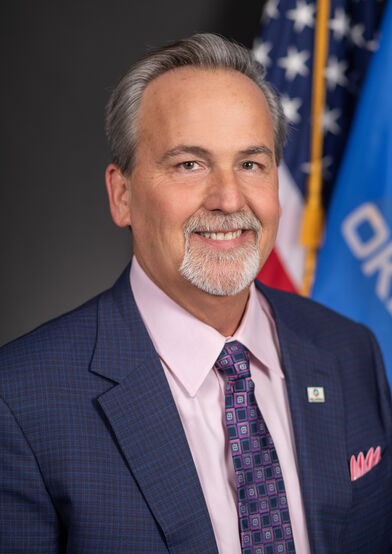
Sen. Bill Coleman
Sponsored bills
Maddy summaryHB 3414 requires Oklahoma's Office of Management and Enterprise Services (OMES) to create a new reporting function in state accounting software to distinguish between service-driven contracts and staff augmentation contracts. It also mandates that the state accounting manual be updated to require invoices for intangible assets (like software licenses) to include a permanent file path for asset storage. This bill affects state agencies managing contracts and financial records, with changes taking effect November 1, 2026. The bill focuses on administrative accounting procedures, not substantive policy changes.
Maddy summaryHB 3530 requires alcohol licensees (like bars, restaurants, and stores) in Oklahoma to maintain detailed records of alcoholic beverage transactions for three years. These records must include specific itemizations and be available for inspection by the ABLE Commission or Oklahoma Tax Commission within 10 business days of a request. The bill amends existing law to standardize these recordkeeping requirements and sets an effective date of November 1, 2026. It directly affects all businesses holding alcohol licenses under Oklahoma's current beverage control system.
Maddy summaryHB 3849 establishes the Oklahoma Mentoring Children of Incarcerated Parents Program under the Oklahoma Commission on Children and Youth. It provides one-on-one mentoring services to two specific groups: children in juvenile custody outside the home, and children identified as at risk of entering the juvenile justice system, who have parents in prison. The bill requires the Commission to issue competitive grants every three years to qualified 501(c)(3) nonprofit organizations meeting strict criteria, including serving ages 6-18, having statewide presence, 3+ years working with this population, and adhering to safety protocols. Grants are capped at $1,500 per mentor-mentee match, with awards to be made by November 1, 2024, for services starting in 2026. The program is effective November 1, 2026.
Maddy summaryHB 4215 establishes the "Oklahoma Film, Television and Music Incentives Act of 2026," creating a new economic development program for the state's film, television, and music industries. The bill formally names the incentive program and sets its effective date as November 1, 2026. It does not detail specific financial incentives or eligibility rules in the provided text. This legislation directly affects producers and businesses in Oklahoma's entertainment sector by establishing a framework for potential future incentives. The bill is currently in early committee review with no specific provisions outlined beyond its name and effective date.
Maddy summaryHB 3794 modifies Oklahoma's licensing rules for professions by restricting when criminal history can deny a license. It requires licensing boards to determine if an offense "substantially relates" to the job duties and "poses a reasonable threat" to public safety before denying an application, considering factors like offense seriousness, time elapsed, and rehabilitation evidence. The bill creates a pre-application process (Section F-G) where applicants can request a written determination on eligibility before applying, with boards required to respond within 60-90 days. It also prohibits denial based on sealed/expunged records, most convictions over five years old (with specific exceptions like sex offenses), or vague "good character" standards.
Maddy summaryHB 1047 allows up to three specific racetrack organizations in Oklahoma to operate limited numbers of gaming machines (player terminals) at their facilities, but only during live horse racing events or simulcast wagering. It caps terminal counts at 650 for racetracks in counties over 600,000 people and 250 for others, requiring quarterly reporting to the Oklahoma Horse Racing Commission. The bill explicitly prohibits local governments from restricting these gaming operations and clarifies that tribal gaming under existing compacts remains separate from this authorization. It does not create new gaming licenses but expands existing racetrack operations under strict, defined conditions.
Maddy summaryHB 3657 amends Oklahoma's definition of "employment" in the Labor Act, primarily affecting agricultural workers, crew leaders, and domestic workers. It clarifies that agricultural workers become covered employees if their employer paid $20,000+ in cash wages during a calendar year or employed 10+ workers for 20 weeks. The bill also defines "crew leaders" (who supply farm laborers) and specifies when they or the farm operator are treated as employers. Additionally, it updates domestic service coverage to require $1,000+ in quarterly cash wages for workers to be considered employees. The bill is proposed for the 2026 legislative session.
Maddy summaryThis bill names the upcoming insurance law as the "Insurance Act of 2026" and sets its effective date as November 1, 2026. It does not establish new insurance regulations or affect policyholders, insurers, or the public. The bill serves purely as an administrative step to formally designate the future law and its implementation timeline. This is a procedural measure with no substantive policy changes.
Maddy summarySB 1767 prohibits out-of-state retailers from shipping alcoholic beverages to Oklahoma residents or processing payments for such shipments. It directly affects online alcohol retailers operating outside Oklahoma. The bill authorizes Oklahoma's Attorney General and the Alcoholic Beverage Laws Enforcement Commission to enforce the ban through civil penalties (ranging from $5,000 to $25,000 per shipment or treble damages) and investigations. It also creates an "Alcohol Enforcement and Regulatory Revolving Fund" funded by these penalties to support enforcement, compliance efforts, and public education campaigns. The law takes effect July 1, 2026.