

Maddy summaryHB 2137 amends criminal procedure concerning individuals found incompetent to stand trial, specifically addressing the involuntary administration of medication to restore competency. It requires the Department of Mental Health and Substance Abuse Services to notify the court, prosecuting office, and the person's attorney when seeking a court order for such medication. Applications for these orders must detail the treating physician's assessment of the person's capacity, diagnosis, and proposed treatment plan. The bill sets a 30-day deadline for hearings on these applications and outlines rights for affected individuals, including the right to an attorney and to be present. Courts can only authorize involuntary medication if the petitioning party provides clear and convincing evidence that specific criteria are met, such as serving an important state interest and being in the person's best medical interest.
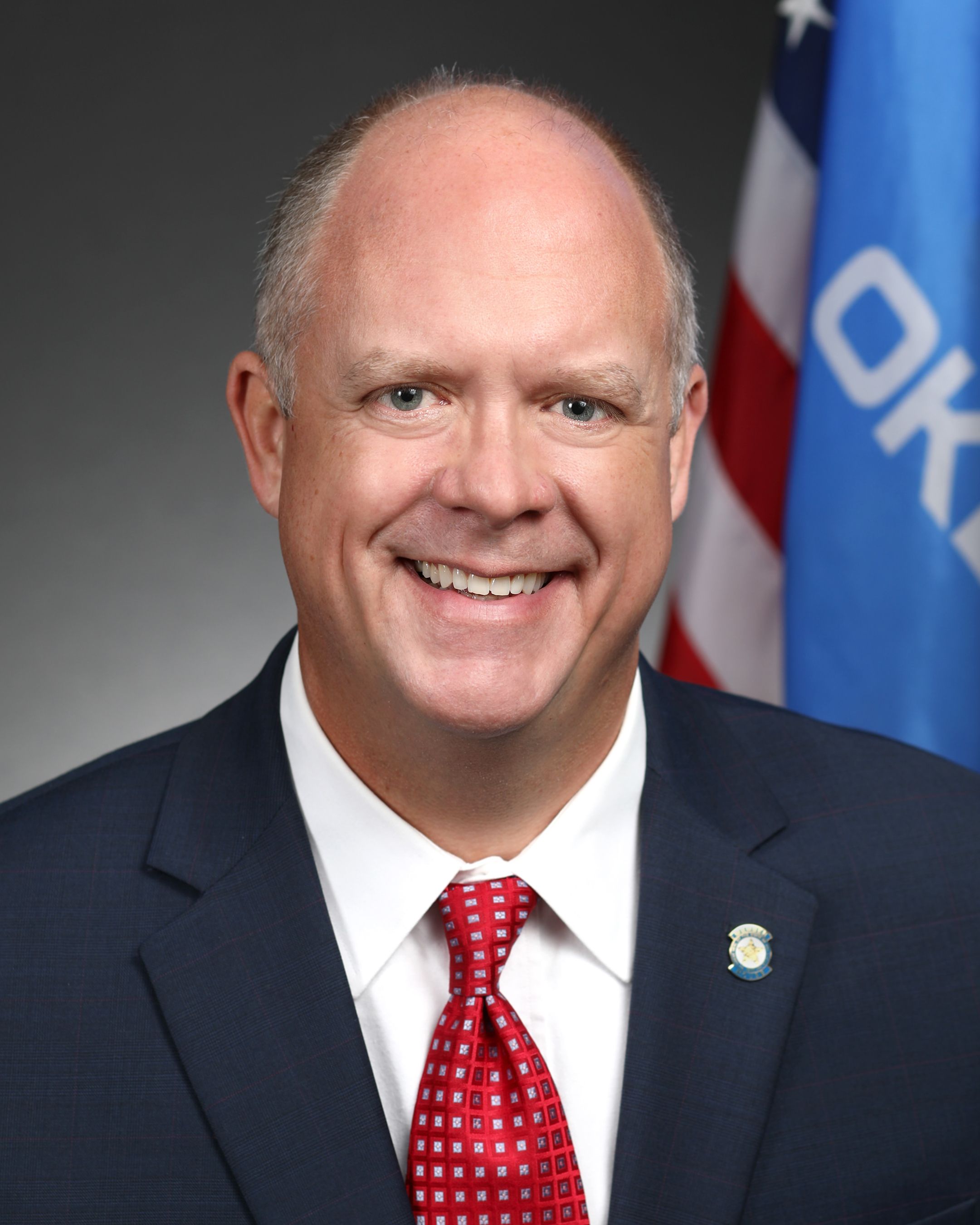
Rep. Preston Stinson
Sponsored bills
Maddy summaryHB 2053 clarifies definitions related to outdoor advertising along Oklahoma highways. It establishes specific distance rules: signs cannot be placed within 300 feet of residential buildings (without owner consent) or within 500 feet of schools, parks, churches, or historical sites in unzoned commercial areas. The bill directly affects outdoor advertising companies and property owners near highways in unzoned commercial zones, defining where signs may legally be located. These provisions apply to areas extending 600 feet from commercial/industrial activity along highways, with measurements based on building edges, not property lines. The bill passed unanimously in the House (90-0) and is now moving to the Senate.
Maddy summaryThis bill modifies Oklahoma's Medicaid program to create a pay-for-performance incentive system for nursing facilities, directly affecting providers of long-term care services. It establishes a quality assurance component where facilities can earn additional payments based on their performance in four specific long-stay quality measures, such as pressure ulcer prevention and weight loss monitoring, using ratings from the federal CMS Five-Star Quality Rating System. Facilities can receive between 40% and 100% of reserved funds depending on their star rating, with an optional staff retention initiative offering up to $3 per patient day for maintaining registered nurse and certified nurse aide retention rates. The bill also requires the Oklahoma Health Care Authority to form an advisory group to review quality measures annually, submit annual reports to state officials, and audit the program for transparency.
Maddy summarySB 1030, the "340B Drug Pricing Nondiscrimination Act," prohibits health insurers, pharmacy benefits managers, and third-party payors from discriminating against Oklahoma's 340B drug program participants. It requires equal reimbursement rates for 340B drugs compared to non-340B drugs and bans special fees, billing requirements, or restrictions solely because a provider participates in the federal 340B program. The bill also prevents interference with patients' choice to receive 340B drugs at participating pharmacies and prohibits requiring special billing modifiers for 340B claims unless mandated by federal programs. This directly affects hospitals, clinics, and pharmacies enrolled in the federal 340B program, as well as insurers and pharmacy benefit managers handling their claims.
Maddy summarySB 1030, the "340B Drug Pricing Nondiscrimination Act," prohibits Oklahoma health insurers, pharmacy benefits managers, and third-party payors from discriminating against 340B entities (like community health centers and hospitals participating in the federal 340B drug pricing program). It requires equal payment rates for 340B drugs compared to non-340B drugs, bans extra fees or restrictions solely because an entity uses 340B pricing, and prevents interference with patient choice to receive 340B drugs. The law directly affects 340B-covered entities and their payers, ensuring they are not subject to additional administrative burdens or lower reimbursements due to their participation in the federal program. This bill aims to align Oklahoma’s reimbursement practices with federal 340B program protections.
Maddy summarySB 965 amends Oklahoma law to increase certain serious jury misconduct violations from misdemeanors to felonies. It specifically targets jurors or appointed arbitrators who promise a verdict or improperly receive information about a pending case. Subsequent or severe violations of these rules may now be prosecuted as felonies instead of misdemeanors. The bill takes effect on November 1, 2025.
Maddy summarySB 965 amends Oklahoma law to increase penalties for certain juror misconduct from a misdemeanor to a felony. It directly affects jurors, arbitrators, or referees who make promises about trial outcomes or accept outside communications during a case. The bill specifies that repeat or serious violations of these rules - such as discussing a case with unauthorized people or receiving information not part of the trial - would now be prosecuted as felonies. The law takes effect on November 1, 2025.
Maddy summarySB 629 appropriates $300,000 from Oklahoma's General Revenue Fund to the University Hospitals Authority for fiscal year 2023. This funding directly supports contracting with a nonprofit organization to provide free dental care to patients. The bill becomes effective July 1, 2025, and declares an emergency to expedite implementation. It does not create new programs but allocates existing state funds for existing dental access services.
Maddy summarySB 1064 requires health insurance plans in Oklahoma to use evidence-based clinical guidelines when creating step therapy protocols (where insurers mandate trying cheaper drugs first). It mandates that insurers provide a clear, accessible process for doctors and patients to request exceptions when step therapy blocks necessary medications, and they must grant exceptions if the doctor provides justification (e.g., prior drug failure, adverse reactions, or medical necessity). Insurers must respond to exception requests within 72 hours (24 hours for emergencies), and failure to respond on time automatically grants the exception. The bill directly affects insurers, healthcare providers, and patients using prescription drugs covered under step therapy protocols.
Maddy summarySB 629 allocates $300,000 from Oklahoma's General Revenue Fund to the University Hospitals Authority for contracting with a nonprofit organization. The funds will provide free dental care to patients through this nonprofit partner, directly benefiting low-income Oklahomans who cannot afford dental services. The bill specifies that the appropriation is limited to covering costs for these no-cost dental services. It becomes effective July 1, 2025, and declares an emergency to allow immediate implementation upon passage. This is a funding measure, not a new policy, focused solely on financing existing dental access programs.