

Maddy summaryHB 2052 exempts certain domestic health maintenance organizations (HMOs) that exclusively contract with Oklahoma's Medicaid program (via the Oklahoma Health Care Authority) from most state health insurance regulations. These HMOs, which serve only Medicaid recipients and no other patients, are no longer subject to specific provisions of the Health Maintenance Organizations Act, including requirements about benefit coverage and certain administrative rules. The exemption applies solely to services provided to Medicaid recipients under Oklahoma Statutes Title 56, Section 4002.2. The law became effective November 1, 2025, after passing without the Governor's signature.
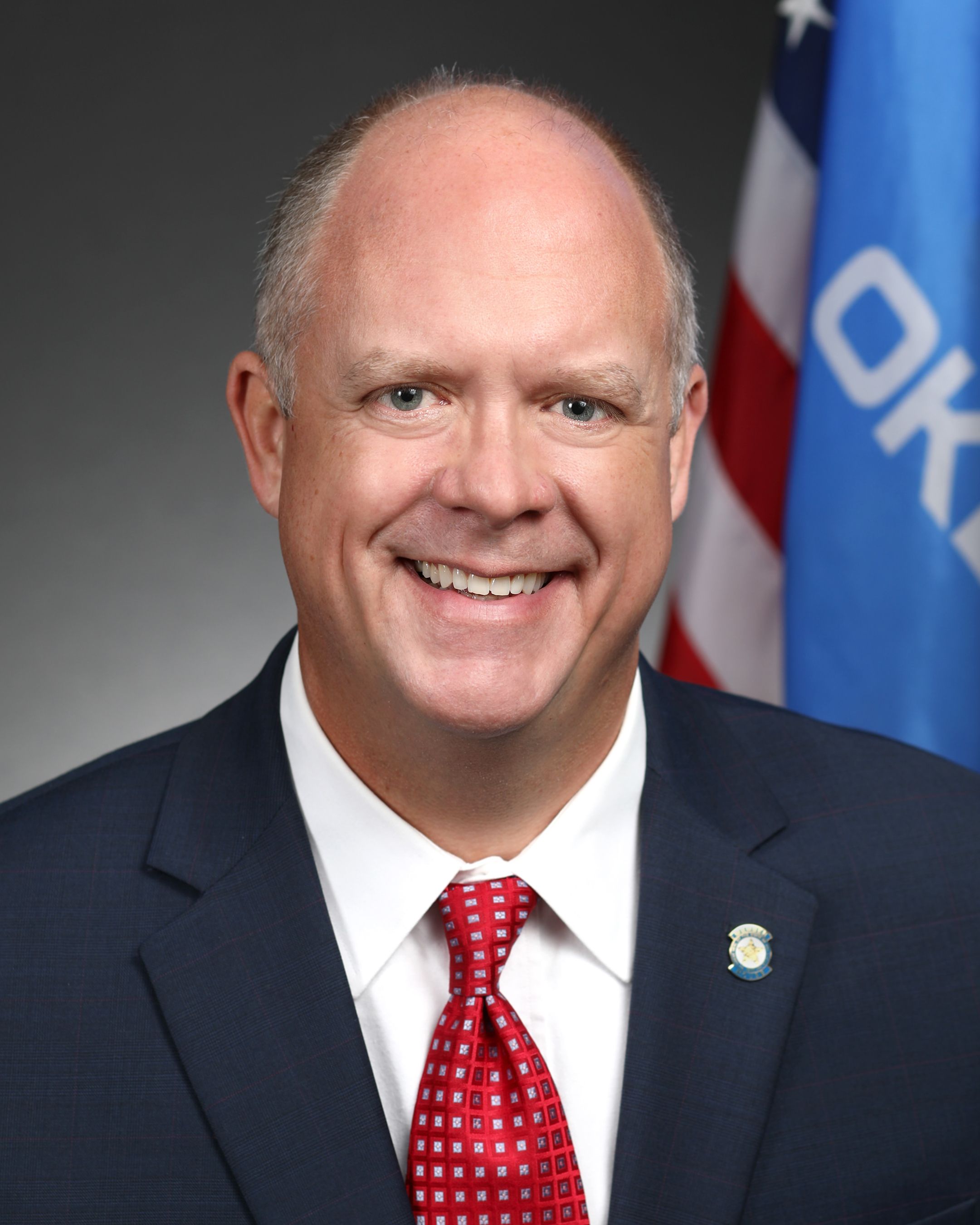
Rep. Preston Stinson
Sponsored bills
Maddy summaryHB 2052 updates the exemptions for certain domestic health maintenance organizations (HMOs) in Oklahoma. The bill specifies that HMOs contracting with the Oklahoma Health Care Authority to provide basic health services exclusively to Medicaid recipients will only be subject to Medicaid program regulations. These particular HMOs will be exempt from numerous specific provisions within the broader Health Maintenance Organizations Act. This exemption applies solely to the services these organizations provide to Medicaid recipients, and the changes become effective on November 1, 2025.
Maddy summarySB 873 updates outdated property descriptions in Oklahoma law related to University Hospitals Authority. It amends statutes to remove lengthy, obsolete legal descriptions of hospital properties (like specific land parcels in Oklahoma City) and clarifies transfer details between the Authority and the Department of Human Services. The bill also creates a specific exemption for certain requirements related to the public Level 1 Trauma Center. This is a procedural update to modernize legal records, not a change to hospital operations or funding.
Maddy summaryThis Oklahoma bill establishes a maximum staffing ratio requiring retail pharmacies to maintain no more than five pharmacy technicians for every one licensed pharmacist. It also updates regulations for pharmacy technicians by mandating permits, setting a renewal fee of up to $75 annually, and outlining procedures for late renewals and permit reinstatement. The law applies to all licensed retail pharmacies in Oklahoma and takes effect on November 1, 2025.
Maddy summarySB 251 expands eligibility for Oklahoma county mental health and substance abuse funding to include employment, education, and housing programs alongside existing treatment services. It requires the state to allocate at least 0.5% of total funds to each county government or multi-county partnership applying for grants. The bill also mandates annual reports to legislative leaders detailing funding distribution and services provided. These changes aim to broaden community-based support options while ensuring minimum funding for all participating counties.
Maddy summarySB 253 requires Oklahoma's Medicaid agency (the Oklahoma Health Care Authority) to include specific funding details in its annual budget request. It mandates that the budget reflect new state and federal funding needed to cover the most recent audited costs for reimbursing nursing facilities and intermediate care facilities serving individuals with intellectual disabilities. The audited cost must be calculated using the latest cost report submitted to the agency. This change takes effect November 1, 2025.
Maddy summaryThis bill establishes a staffing requirement for retail pharmacies in Oklahoma, limiting the number of pharmacy technicians to no more than five for every one licensed pharmacist. It also updates regulations for pharmacy technicians by requiring them to obtain permits from the State Board of Pharmacy, pay annual fees of up to $75, and complete renewal forms by a specific deadline to avoid late fees. The law applies to all licensed retail pharmacies operating in Oklahoma and takes effect on November 1, 2025.
Maddy summarySB 253 requires the Oklahoma Health Care Authority (OHCA) to include specific funding details in its annual Medicaid budget request. It mandates that the budget must reflect new state and federal funding needed to cover additional costs for reimbursing nursing facilities and intermediate care facilities serving individuals with intellectual disabilities. This reimbursement must be based on the most recent audited cost, calculated using the latest cost report submitted to OHCA. The bill directly affects Medicaid providers and the state's budgeting process for Medicaid services, effective November 1, 2025.
Maddy summarySB 251 expands the types of mental health and substance abuse services eligible for funding under Oklahoma's County Community Safety Investment Fund. It adds employment, education, and housing programs to the existing categories of qualifying services, alongside treatment programs and jail diversion initiatives. The bill guarantees that every county or multi-county partnership receives at least 0.5% of the total funding pool each year. Counties must report how funds are used annually to the legislature, ensuring transparency in service allocation.
Maddy summarySenate Bill 873 amends Oklahoma statutes related to the University Hospitals Authority. It updates the legal descriptions of properties transferred to the Authority by removing obsolete information. The bill also creates a specific exemption concerning the certificate of need process for healthcare facilities and imposes requirements related to public Level 1 Trauma Centers. These changes affect the University Hospitals Authority and impact healthcare planning and trauma services within the state.