

Maddy summarySB 773 regulates pharmacy benefit managers (PBMs) in Oklahoma by prohibiting "spread pricing" (where PBMs charge health plans more than they pay pharmacies) and requiring equal reimbursement rates for independent pharmacies compared to PBM-owned pharmacies. It bans PBMs from charging fees for claim submissions, network enrollment, or claims processing, and mandates that PBMs provide fair access to pharmacy networks. The bill also grants the Attorney General authority to review PBM network access and enforce compliance. These changes directly affect PBMs, pharmacies, and health plans administering prescription drug coverage in Oklahoma.
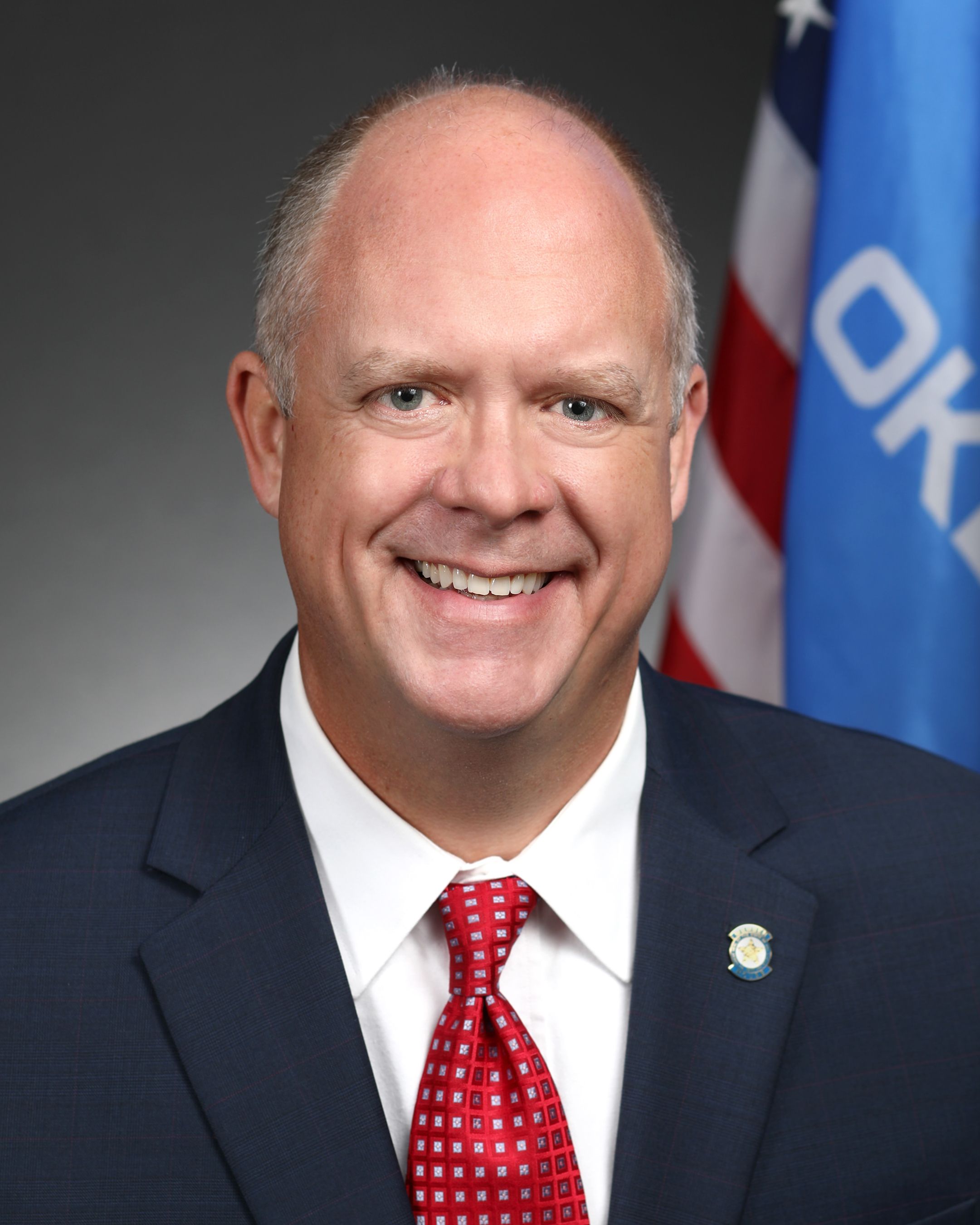
Rep. Preston Stinson
Sponsored bills
Maddy summaryHB 2048, the "340B Nondiscrimination Act," prohibits health insurers, pharmacy benefits managers (PBMs), and other third-party payors from discriminating against Oklahoma healthcare providers participating in the federal 340B drug discount program. It directly affects 340B entities (like hospitals and clinics that purchase discounted drugs) and their contracted pharmacies, ensuring they receive equal reimbursement rates for 340B drugs without extra fees, special billing requirements, or network exclusions based on their 340B status. Key provisions ban lower payments for 340B drugs, require equal terms for non-340B providers, and prevent manufacturers from interfering with 340B drug delivery to contracted pharmacies. The law excludes Oklahoma Medicaid program reimbursements (as specified in Section 3B) and takes effect upon enactment.
Maddy summarySB 804 requires all Oklahoma assisted living centers to establish an internal quality assurance committee that meets at least quarterly. These committees must include a nurse, administrator, care staff, and pharmacist (when medication issues arise), and monitor care quality, resident satisfaction, and medication practices. The bill also updates existing rules for medication administration, facility inspections, and online posting of inspection results to improve transparency. It takes effect November 1, 2025, directly affecting assisted living centers and their residents.
Maddy summarySB 1067 creates a new database for ambulance service providers and changes how health insurers pay for ambulance services in Oklahoma. It requires ambulance providers to report specific data to this database and modifies the rates and criteria insurers use to reimburse ambulance services. This bill directly affects ambulance companies and health insurance providers by establishing new reporting requirements and payment rules. The law became effective without the Governor's signature on May 28, 2025.
Maddy summarySB 789, now effective as of May 28, 2025, restricts how pharmacy benefit managers (PBMs) can audit pharmacies. It requires PBMs to give pharmacies 14 days' notice (30 days for wholesale audits), prohibits recouping funds for simple errors like typos, and allows pharmacies to use hospital/physician records or any drug purchase records (without date/source limits) to validate claims. The law also caps audits at 50 prescriptions per pharmacy annually and mandates that any recouped funds first be refunded to the patient. This directly affects pharmacies, PBMs, and patients by standardizing audit practices and protecting against unfair financial penalties.
Maddy summarySB 1067 establishes a new database for ambulance service providers in Oklahoma and modifies how ambulance services are reimbursed by health insurers. It directly affects ambulance companies (who deliver emergency and non-emergency transport) and health insurance companies (who pay for these services). The key mechanism requires ambulance providers to report service details into the database, while new reimbursement rates and criteria ensure payments align with specific service types and costs. This law, enacted on May 28, 2025, aims to improve payment accuracy and transparency for ambulance services.
Maddy summarySB 789 clarifies audit rules for pharmacy benefit managers (PBMs) in Oklahoma, directly affecting pharmacies and PBMs. It requires PBMs to allow pharmacies to use hospital/physician records and drug purchase records (without date or source limits) to validate claims, prohibits recoupment for simple clerical errors like typos, and caps audits at 50 prescriptions per year per pharmacy. The law also mandates PBMs to refund patient-paid portions of recouped funds and prohibits audits during the first seven days of any month without consent. Effective May 28, 2025, this law aims to reduce unfair audit burdens on pharmacies while maintaining compliance with state/federal pharmacy regulations.
Maddy summarySB 647 would require Oklahoma cities and towns to exclude non-objective or irrelevant public input during land use application proceedings, such as zoning or development permits. The bill directly affects local governments handling these applications by mandating that only relevant, factual information can influence decisions. Key provisions clarify that public comments lacking objectivity or relevance cannot determine outcomes, modifying how municipalities must evaluate public feedback. The bill does not change other procedural requirements but specifically targets the weight given to public input in land use cases. This is a substantive policy change focused on procedural fairness in municipal decision-making.
Maddy summarySB 993 regulates how pharmacy benefit managers (PBMs) audit pharmacies in Oklahoma. It requires PBMs to provide 14 days' notice (30 days for wholesale audits) before audits, prohibits treating simple clerical errors (like typos or computer mistakes) as fraud, and bans recouping funds for such errors without proof of intentional fraud. The bill also mandates that if funds are recouped, pharmacies must refund patients first, and PBMs must conduct audits using licensed pharmacists for clinical judgments. This directly affects pharmacies and PBMs by setting clear standards for audit processes and preventing unfair financial penalties.
Maddy summarySB 993 establishes rules for pharmacy benefit managers (PBMs) conducting audits of pharmacies in Oklahoma. It requires PBMs to provide 14 days' notice (30 days for wholesale audits) before audits, prohibits recouping funds for simple clerical errors like typos, and mandates refunds to patients for any portion of recovered funds originally paid by them. The law also bans audits during the first seven days of any month without consent and requires PBMs to use licensed pharmacists for clinical audits. These provisions directly affect independent pharmacies and PBMs by standardizing audit processes and protecting pharmacies from financial penalties for unintentional mistakes.