

Maddy summaryHB 2054 modifies Oklahoma's criminal expungement laws by adding a new eligibility category (paragraph 17) allowing individuals who successfully complete diversion programs for misdemeanor or felony offenses to immediately have those records expunged after fulfilling all program requirements and paying associated fees. It also establishes an automatic expungement process starting three years after the bill's effective date, for "clean slate eligible" cases (including those under existing categories like acquittals, dismissed charges, or certain misdemeanor convictions) if funds are available. The bill directly affects Oklahomans with qualifying criminal records who meet specific criteria, such as completing diversion programs or having nonviolent offenses dismissed after meeting waiting periods. Key mechanisms include streamlining expungement access for diversion completers and creating a new automatic sealing pathway for eligible cases.
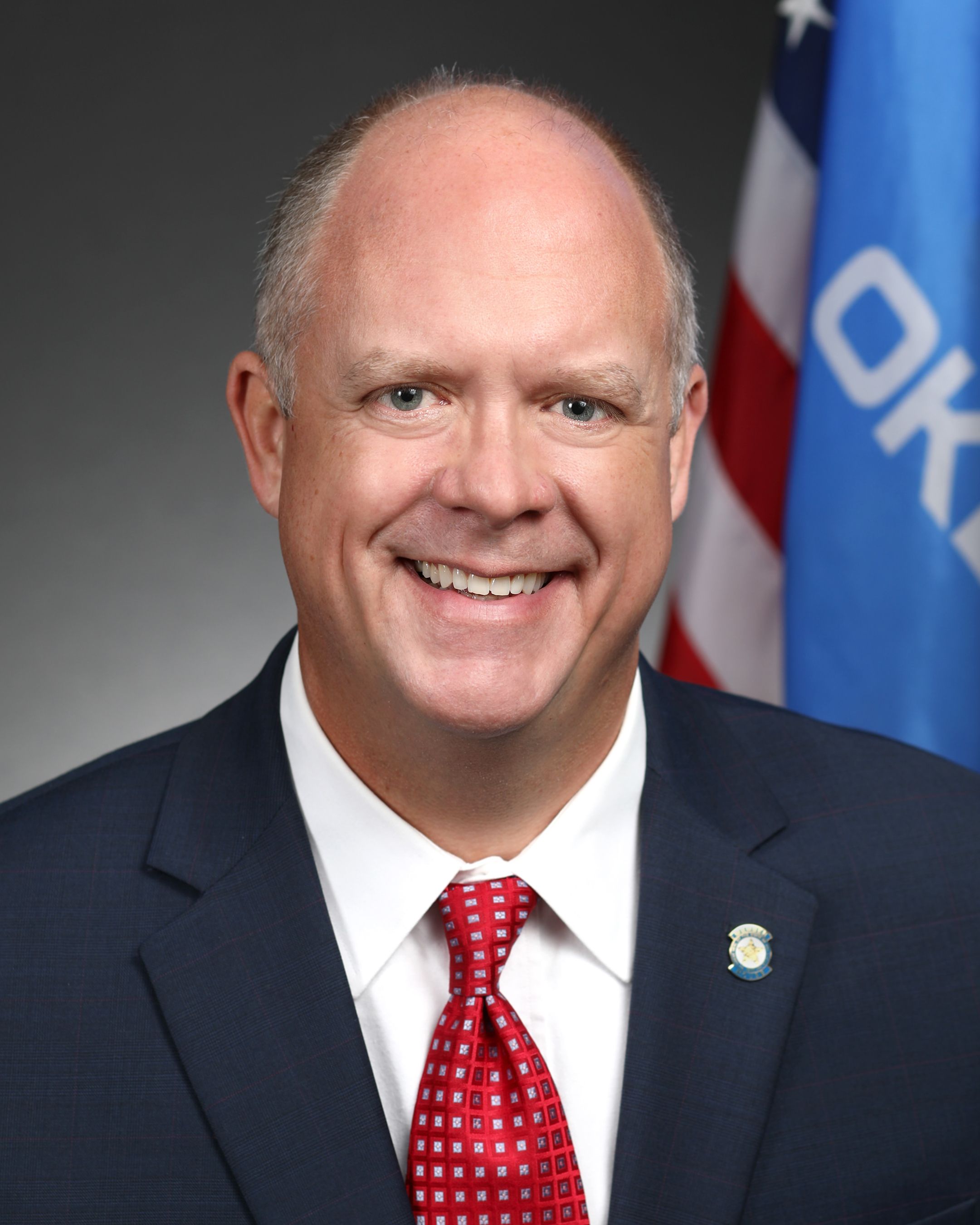
Rep. Preston Stinson
Sponsored bills
Maddy summaryHB 2062, the Oklahoma Professions and Occupations Reform Act of 2025, establishes a new law titled the Oklahoma Professions and Occupations Reform Act of 2025 that will not be added to the Oklahoma Statutes. The bill sets an effective date of November 1, 2025, for its provisions. This legislative measure primarily serves to name and define the reform act rather than implementing specific policy changes or affecting particular industries.
Maddy summaryHB 2064 is a procedural bill that establishes the name and effective date for a future law, the "Oklahoma Professions and Occupations Act of 2025." It specifies the act shall not be codified in the Oklahoma Statutes and will take effect on November 1, 2025. This bill does not create new regulations or affect any professions or occupations; it only provides formal naming and implementation timing for a pending legislative act. The bill is currently in the early stages of review (first reading, referred to Rules committee).
Maddy summaryHB 2055 (Ensuring Access to Medicaid Act) is a definitional bill that clarifies terminology used in Oklahoma's Medicaid program. It amends Section 4002.2 of the Oklahoma Statutes to define key terms like "essential community provider," "accountable care organization," "children's specialty plan," and "claims denial error rate" for administrative clarity. The bill does not change eligibility, funding, or service delivery; it only standardizes definitions used by the Oklahoma Health Care Authority. This procedural bill is in early stages (first reading, referred to Rules) and will not directly affect Medicaid beneficiaries or providers until implemented.
Maddy summaryHB 2065 requires Oklahoma Medicaid to cover reimbursement for multiplex respiratory PCR testing (using CPT codes 87636 and 87637) for symptomatic patients in emergency rooms and urgent care settings. This bill directly affects Medicaid providers who perform these tests and patients seeking rapid diagnosis of respiratory illnesses like COVID-19, flu, or RSV. The key provision adds specific testing codes to Medicaid's reimbursement policy, aligning with clinical guidelines for diagnosing common respiratory infections. The change becomes effective November 1, 2025.
Maddy summaryHB 2061 is a procedural bill that names itself the "Oklahoma Professions and Occupations Reform Act of 2025" and specifies it will not be codified in the Oklahoma Statutes. It sets an effective date of November 1, 2025, for the act. The bill does not describe substantive policy changes or affect any specific professions, occupations, or individuals, as it serves only as a title and effective date designation. This is a formal procedural step, not a legislative reform.
Maddy summaryThis Oklahoma bill allows pharmacies to partner with central fill pharmacies to fill prescriptions under specific conditions, enabling one pharmacy to handle the dispensing while another handles delivery. The legislation requires participating pharmacies to share ownership or have a written agreement, maintain secure electronic systems for patient data, and ensure proper storage and shipping conditions for medications. Patients must be notified in writing or via signage that their prescription may be filled by a different pharmacy, and the filled prescription label must identify both the filling and originating pharmacies. The bill also mandates that central fill pharmacies maintain detailed policy manuals covering confidentiality, drug review, and quality improvement procedures.
Maddy summarySB 986 prohibits businesses from hiding fees when selling event tickets or short-term lodging (like hotels or vacation rentals). It requires businesses to display the total price upfront - more prominently than other prices - and clearly explain any excluded fees (such as shipping or government charges) before payment. Misrepresenting fees, including their amount or purpose, becomes an unfair practice under Oklahoma's consumer protection law. The law takes effect on November 1, 2025, applying specifically to covered goods and services.
Maddy summaryHB 2056 clarifies rules for dental insurance claims in Oklahoma, directly affecting dentists, dental plans, and patients. It requires dental plans to pay for "covered services" as defined in subscriber agreements (including services like cleanings or fillings), and mandates that denials based on "lack of medical necessity" must include the reviewing dentist’s license details and contact information. The bill also establishes standardized appeal procedures for denied claims, requiring denials to be reviewed by a licensed dentist and communicated with specific transparency. The law takes effect November 1, 2025.
Maddy summaryHB 2060, introduced by Representative Stinson, establishes the "Oklahoma Public Health and Safety Reform Act of 2025" and sets its effective date as November 1, 2025. This procedural bill does not include substantive policy changes or affect specific groups; it solely names the act and specifies its implementation date. It will not be codified in the Oklahoma Statutes, as stated in Section 1. The bill is currently in committee referral after its second reading.