

Maddy summaryHB 2056 clarifies rules for dental insurance claims in Oklahoma, directly affecting dentists and dental insurance plans. It prevents dental plans from requiring dentists to accept payment rates set by the plan unless services are specifically covered under the patient’s agreement. The bill also mandates that denial notices for claims (based on "lack of medical necessity") must include the reviewing dentist’s license details and contact information, with communication limited to business hours. The law takes effect November 1, 2025.
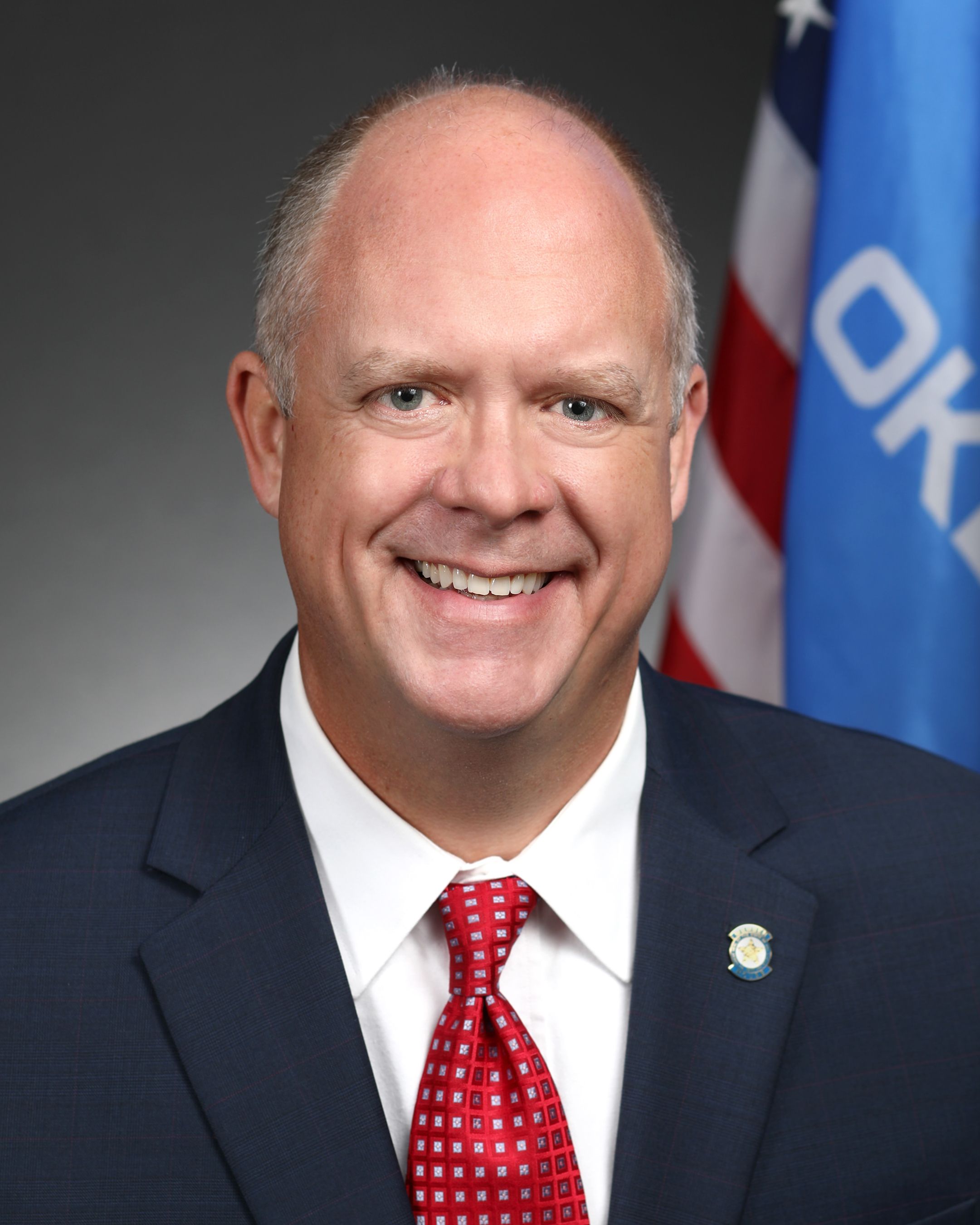
Rep. Preston Stinson
Sponsored bills
Maddy summaryHB 2058 clarifies who can seek protective orders under Oklahoma's Protection from Domestic Abuse Act, expanding eligibility to include victims of domestic abuse, stalking, harassment, rape, and other specified crimes, as well as minors or adults acting on behalf of household members. The bill prohibits charging filing fees, service fees, or attorney fees to the person seeking a protective order, regardless of whether the order is granted. It also adds provisions allowing courts to order defendants to make no contact with animals owned by the household and to issue emergency protective orders without requiring prior criminal complaints for certain victims. The bill modifies court fee structures for defendants convicted of crimes but focuses primarily on removing financial barriers for victims seeking protection.
Maddy summaryHB 2061 is a procedural bill that names the "Oklahoma Professions and Occupations Reform Act of 2025" and sets its effective date for November 1, 2025. It contains no substantive policy changes or mechanisms affecting professions, occupations, or any specific group. The bill simply establishes the act's name and effective date without altering existing laws or creating new regulations. This is a naming and timing provision, not a policy reform.
Maddy summaryThis Oklahoma bill authorizes pharmacies to partner with central fill pharmacies to fill prescriptions under specific conditions, allowing the central pharmacy to prepare the medication while the originating pharmacy handles patient delivery. The law requires these partner pharmacies to share technology for prescription data, maintain written agreements outlining responsibilities, and ensure patient confidentiality and drug integrity during shipping. Patients must be notified that their prescription may be filled by another pharmacy, and the central fill pharmacy must label prescriptions to identify both the filling and originating pharmacies. The bill also establishes requirements for policy manuals, record-keeping, and shared services qualifications for participating pharmacies.
Maddy summaryHB 2055 is a definitional bill that clarifies key terms used in Oklahoma's Medicaid program under the "Ensuring Access to Medicaid Act." It defines terms like "essential community provider" (including clinics, hospitals, and mental health centers), "contracted entity," and "material change" to standardize Medicaid administration. This bill directly affects Medicaid providers, the Oklahoma Health Care Authority, and the state's Medicaid management system by establishing consistent terminology for claims processing, provider contracts, and service delivery. It does not create new benefits or funding but ensures clarity in existing program operations. The bill is procedural and currently in early committee review.
Maddy summarySB 986 prohibits Oklahoma businesses from hiding fees on covered goods or services like live-event tickets and short-term lodging. It requires businesses to display the total price (including all mandatory fees) prominently before payment, clearly explain any excluded fees (such as government charges), and ensure disclosures are easily noticeable and understandable. The law applies to all businesses selling these items through physical locations, online, or mobile apps, effective November 1, 2025. It makes misleading fee disclosures an unfair practice under Oklahoma's Consumer Protection Act.
Maddy summaryThis bill establishes the Oklahoma Professions and Occupations Act of 2025, which serves as a formal title for existing occupational regulations without creating new laws. The legislation does not change any current rules or requirements for professions and occupations in Oklahoma. It simply provides a consistent name for future references to these regulations and sets an effective date of November 1, 2025. The bill is procedural in nature and does not alter substantive policy or affect specific industries.
Maddy summaryHB 2066 is a procedural bill that names the "Oklahoma Health Insurance Reform Act of 2025" and sets its effective date as November 1, 2025. It contains no substantive policy changes or mechanisms, as it only establishes the act's title and effective date without detailing any health insurance reforms. The bill was introduced on February 3, 2025, and referred to the Rules Committee. This is a naming and scheduling measure, not a policy reform.
Maddy summaryThis bill names the "Oklahoma Health Insurance Reform Act of 2025" and sets its effective date as November 1, 2025. It contains no substantive policy changes or provisions affecting health insurance coverage, costs, or regulations. The bill is purely procedural, establishing a name and effective date without creating new requirements or altering existing law. It will not be codified in the Oklahoma Statutes.
Maddy summaryHB 2059 is a procedural bill that names itself the "Oklahoma Public Health and Safety Reform Act of 2025" and sets its effective date as November 1, 2025. It does not establish new policies or affect specific groups, as it only creates a title for the act and specifies when it takes effect. The bill contains no substantive provisions or mechanisms beyond naming and timing. This is a routine procedural measure, not a policy change.