

Maddy summaryHB 1142 is a procedural bill that establishes the name "Oklahoma Civil Penalty Expungement Policy Act of 2025" for an uncodified policy. It specifies the bill becomes effective on November 1, 2025, but contains no substantive changes to expungement procedures or eligibility. The bill does not create new legal requirements or alter existing laws; it only designates a title and effective date for a policy not to be codified in Oklahoma Statutes. This is a naming resolution with no direct impact on individuals or existing civil penalty processes.
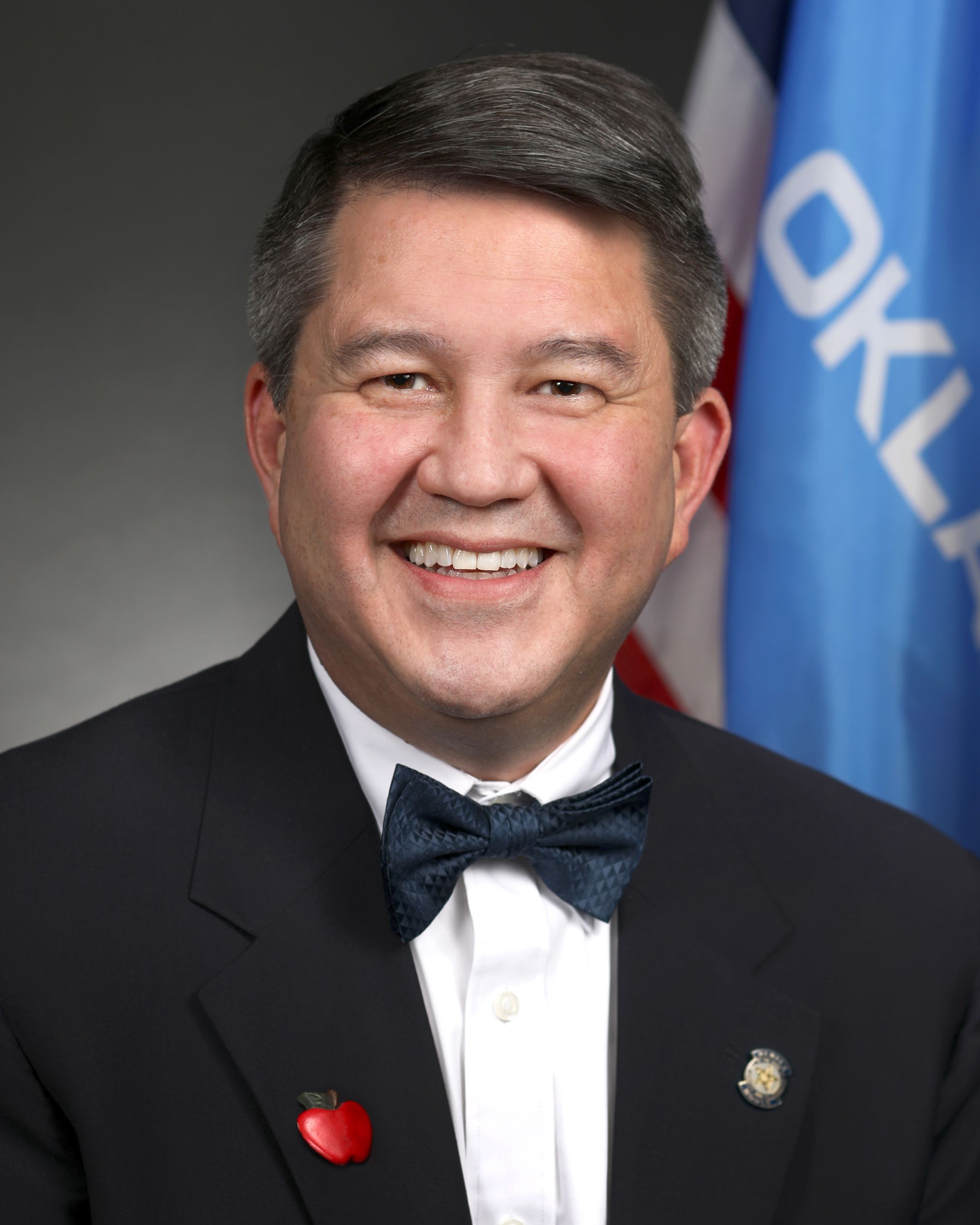
Rep. Andy Fugate
Sponsored bills
Maddy summaryHJR 1007 proposes amending Oklahoma's Constitution to require a three-fourths (3/4) vote in both legislative chambers to advance a constitutional amendment to a public vote, instead of the current majority requirement. This change directly affects how constitutional amendments are passed by the Oklahoma Legislature, making it harder to refer them to voters. The bill also specifies the ballot title language that voters will see, clarifying that the amendment increases the legislative vote threshold. The resolution directs the Secretary of State to refer this proposed constitutional change to voters at the next general election, as required by the new process.
Maddy summaryHB 1300 amends Oklahoma election law to clarify and expand provisional ballot access. It allows voters who cannot show required ID, dispute party affiliation in primaries, or are not listed on precinct registries to cast provisional ballots after signing an affidavit. The bill also creates a new option for absentee voters: if their absentee ballot wasn't received by election day or was rejected, they may cast an in-person provisional ballot at their assigned polling place or absentee site, but only if county officials confirm the absentee ballot was not received or was rejected. Provisional ballots must be segregated, investigated by county election boards, and counted only if voter registration or identity is verified. The bill takes effect November 1, 2025.
Maddy summaryHB 1844 modifies Oklahoma's initiative petition form requirements. It mandates that all initiative petitions must include five specific voter data points: legal first name, last name matching precinct records, zip code, house number, and birth month/day. For signatures to be valid, four of these five data points must match the voter's registration file. This procedural change directly affects citizens and organizations seeking to place initiatives on ballots by altering signature verification standards. The bill takes effect November 1, 2025.
Maddy summaryHB 1302 changes Oklahoma's method for allocating presidential electors. It requires electors to be allocated proportionally based on each presidential candidate's statewide vote share, rather than the current winner-takes-all system. The bill sets a 15% threshold: candidates receiving less than 15% of the statewide vote get no electoral votes, and those votes are awarded to the candidate with the highest popular vote. This change applies to the 2028 presidential election and takes effect November 1, 2025. The bill directly affects Oklahoma voters and presidential candidates in state elections.
Maddy summaryHJR 1016 proposes a constitutional amendment to Oklahoma's Article V, changing how citizen-initiated referendums are handled. It would require referendum petitions to be filed within 90 days after a legislative session ends and remove the Governor's veto power over measures approved by voters. Crucially, it mandates that all referendum measures appear on the next general election ballot instead of allowing the Legislature or Governor to set special election dates. This directly affects citizens who use initiative or referendum processes to propose state laws, streamlining the voting timeline. The amendment must be approved by voters in a statewide election to take effect.
Maddy summaryThis bill proposes amending Oklahoma's constitution to require Senate confirmation for gubernatorial appointments to statewide elected offices. Specifically, if a vacancy occurs in a statewide office (like Lieutenant Governor or Attorney General), the Governor must appoint a replacement who then needs approval by a majority vote in the State Senate. The amendment changes Section 13 of Article VI to add this confirmation step, which currently does not exist for such appointments. This would directly affect the Governor's appointment power and the State Senate's role in confirming those appointments.
Maddy summaryHB 1303 prohibits state and local government entities in Oklahoma from entering non-disclosure agreements (NDAs) as part of settlement agreements involving public funds - whether for money damages or other relief in civil lawsuits or other claims. The bill directly affects government agencies and any organizations they settle with when public revenue is used to pay settlements. It takes effect on November 1, 2025, and requires transparency by banning secret settlements funded by taxpayers. This is a concrete policy change to ensure public accountability for how government spending is resolved.
Maddy summaryHB 1143 is a procedural bill that formally names the "Adult Protective Services Act of 2025" and sets its effective date as November 1, 2025. It does not change existing laws or create new requirements; it simply establishes the official title for future reference and specifies that the act will not be codified into Oklahoma's statutes. This bill directly affects administrative processes within Oklahoma's adult protective services system by providing a standardized name for the framework governing it. The bill has no substantive policy changes beyond naming and timing.
Maddy summaryHJR 1008 proposes a constitutional amendment requiring future candidates for Oklahoma Superintendent of Public Instruction to have public school administrator certification and at least five years of experience as a school principal or superintendent. These new requirements would apply only to candidates running for the office starting with the 2030 general election and all subsequent elections. The bill does not change existing age or voter registration requirements but adds these two specific qualifications for the position. The amendment would be submitted to voters as a referendum, with the ballot title explaining these new eligibility rules.