

Maddy summarySB 2040 modifies Oklahoma's Tulsa Reconciliation Education and Scholarship Program to expand eligibility for descendants of 1921 Tulsa Race Massacre victims. It increases the income limit for most applicants from $70,000 to $125,000 annually while removing income limits entirely for direct lineal descendants. The bill requires applicants to verify lineage through documentation (like family records or public archives) reviewed by the Oklahoma Historical Society, and mandates that all applicants must mark a checkbox confirming descendant status on applications. It directs the State Regents to prioritize descendants in scholarship selection and updates how scholarship funds are distributed to support students in Oklahoma higher education or career programs.
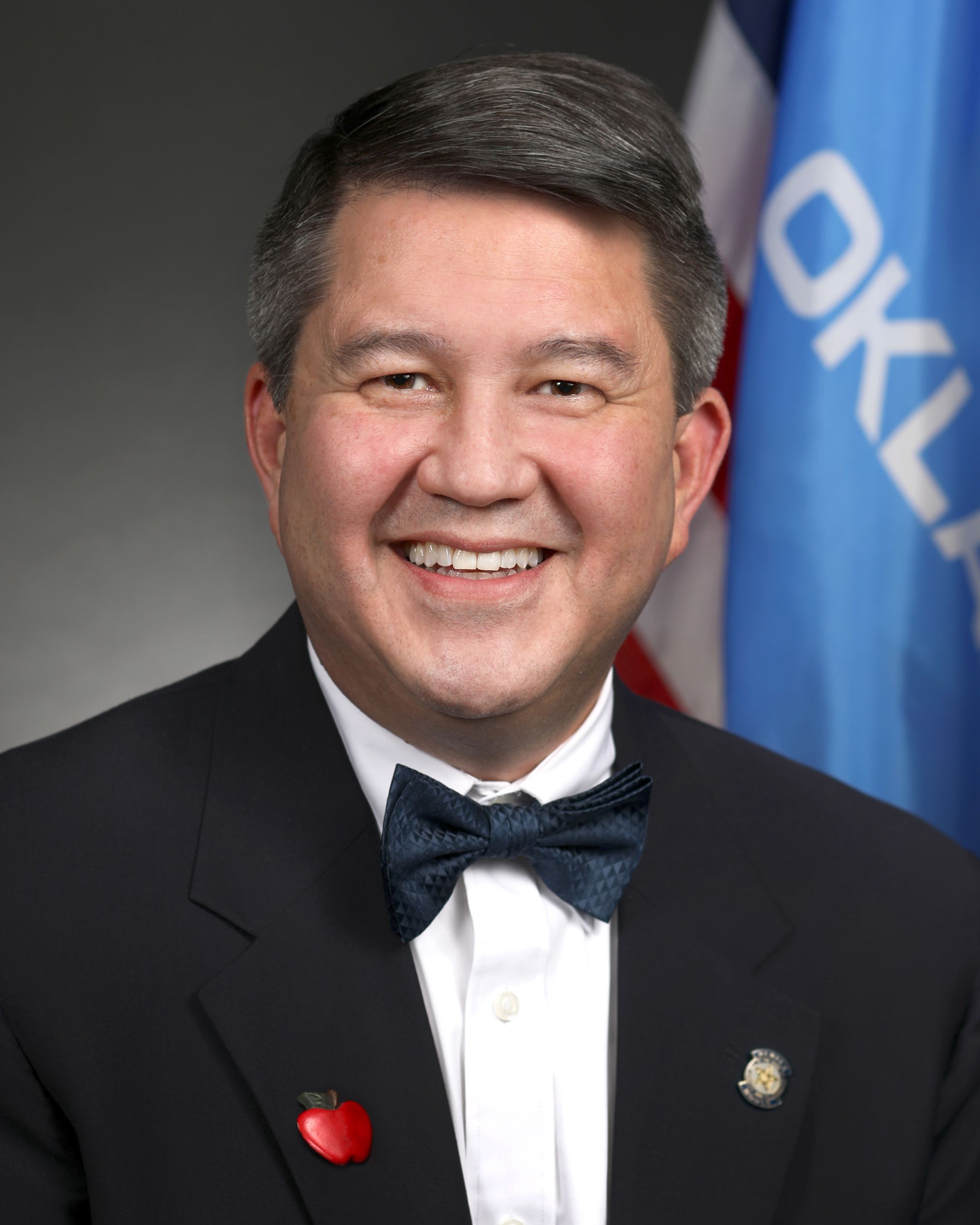
Rep. Andy Fugate
Sponsored bills
Maddy summarySB 1435 prohibits Oklahoma insurers from using credit information to underwrite or rate personal insurance policies (like auto or homeowners coverage). It bans factors such as zip code, marital status, gender, or income in insurance scoring, and prevents denial/cancellation based solely on credit data. Insurers must use current credit reports within 90 days for new policies and update them every 36 months, with consumers able to request annual reevaluation. The law takes effect November 1, 2026, and repeals prior credit-related insurance provisions.
Maddy summaryHB 4288 authorizes Oklahoma's Department of Mental Health and Substance Abuse Services to create a pilot program offering alternative education for students suspended from school for more than 14 days. The program must include therapy and restorative practices in daily instruction, allowing students to continue participating after their suspension ends. School districts can develop reintegration plans to help students return to regular classes and activities, with up to 10% of annual alternative education funds designated for this pilot. The bill applies directly to suspended students and school districts, effective November 1, 2026.
Maddy summaryHB 3018 amends Oklahoma's driving under the influence (DUI) law to exclude marijuana, marijuana derivatives, and synthetic cannabinoids from the rule that prohibits driving with any detectable amount of a controlled substance in one's system. Previously, having any amount of a Schedule I controlled substance (like certain drugs) could lead to a DUI charge, but this bill removes that requirement specifically for the listed marijuana-related substances. This means a driver cannot be charged under this section solely for having any amount of these substances present. However, drivers can still face DUI charges if they are impaired by these substances or if they have other controlled substances in their system.
Maddy summaryHB 3080, titled the "Oklahoma Expungement Reform Act of 2026," establishes a new expungement process for eligible criminal records in Oklahoma. The bill creates the framework for this reform but does not detail specific eligibility criteria, covered offenses, or procedural steps in the provided text. It sets an effective date of November 1, 2026, and is currently in early legislative stages (first reading introduced February 2, 2026). The context provided does not include the actual policy provisions or who would be directly affected by the reform.
Maddy summaryHB 3079 requires Oklahoma's Office of Management and Enterprise Services to create and maintain a single public website called "Open Books 2.0" that displays detailed state and federal spending data. The website must include searchable records of all expenditures (excluding certain transfers and individual payments), incentive payments, tax credits, and stimulus funds, with specific details like recipient names, amounts, dates, and purposes. All transaction data must be entered within 90 days of occurrence, and the site must allow public export of data in standard formats. This law directly affects citizens seeking financial transparency, with key features including road funding data (by 2012) and an interactive taxpayer receipt function (by 2015).
Maddy summaryHB 3113 requires all Oklahoma state legislators (both House and Senate members) to complete six days of substitute teaching in a public school located within their legislative district during each term of office. This mandate applies to all current and future legislators serving in the Oklahoma Legislature, effective November 1, 2026. The bill does not create new funding or policy changes but establishes a service requirement for legislators to engage directly with public schools in their communities. It is a procedural requirement with no additional funding or administrative mechanisms specified.
Maddy summaryThis joint resolution proposes constitutional amendments to Oklahoma's Article V regarding initiative and referendum processes. It explicitly confirms that Oklahoma citizens reserve the right to propose laws, amend the Constitution, and approve/reject legislative acts through ballot measures. Crucially, it requires any legislative changes to the initiative or referendum process itself to be approved by voters, not just passed by the legislature. The bill also updates local-level rules, keeping county/district voter powers for local matters while mandating that general laws governing these processes must be voter-approved, and maintaining local petition signature requirements at double the statewide ratio.
Maddy summaryHJR 1072 proposes a referendum to add a 1-2% income tax on high earners (over $1 million for single filers or $2 million for married couples) starting in 2027. Revenue from this tax would fund the "Future Readers, Future Leaders Investment Revolving Fund," which would provide a $5,000 stipend to National Board Certified Teachers and allocate $100 million annually for statewide reading programs. Remaining funds would support schools designated as "Comprehensive Support and Improvement" (CSI) or "More Rigorous Intervention" (MRI) based on student enrollment, with a minimum $25,000 per school and adjusted funding for schools improving over time. The bill requires voter approval at the 2026 general election and is currently in committee referral.
Maddy summaryHB 4292 is a procedural bill that names the "Elections Act of 2026" and sets its effective date as November 1, 2026. It contains no substantive policy changes or voting mechanisms, as it only establishes the bill's official title and implementation timeline. The bill directly affects Oklahoma's legislative record-keeping but does not alter election procedures, voter rules, or other election-related policies. This is purely an administrative naming and dating measure with no direct impact on voters or election administration.