

Maddy summaryHB 4290 is a procedural bill that names an upcoming legislative act rather than establishing new policy. It formally designates "The Motor Vehicle Reform Act of 2026" as the bill's title and sets its effective date as November 1, 2026. The bill contains no substantive provisions or mechanisms affecting motor vehicle regulations, drivers, or vehicle owners. It serves only as a naming convention for future legislation and has no direct impact on current laws or constituents. The bill is currently in the early stages of the legislative process (first reading, referred to Rules committee).
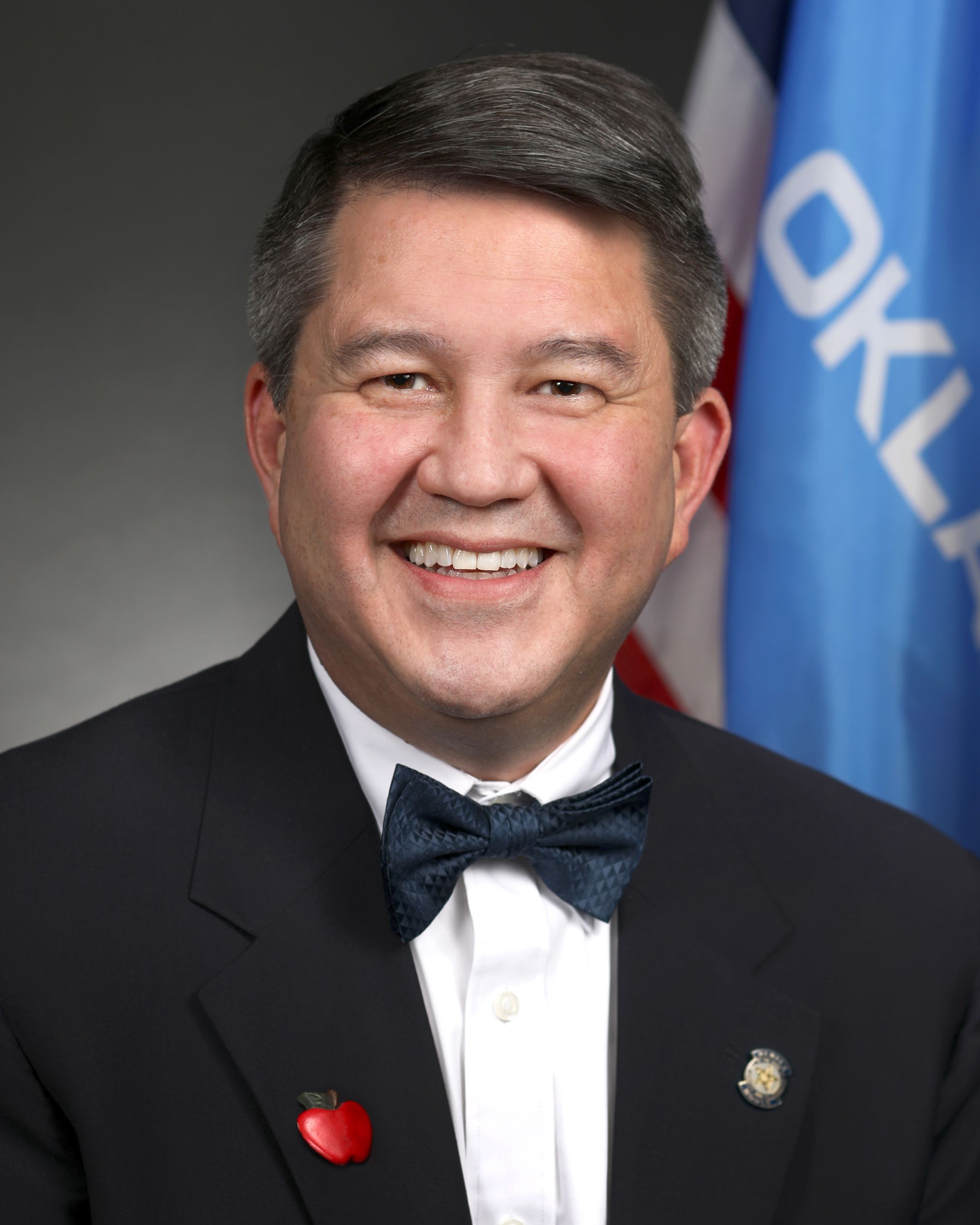
Rep. Andy Fugate
Sponsored bills
Maddy summaryHB 4286 prohibits Oklahoma insurance companies from using credit information or credit-based insurance scores to deny, cancel, nonrenew, or set rates for personal insurance policies (like auto or home insurance). This directly affects consumers who purchase personal insurance in Oklahoma, as insurers can no longer factor in credit history for these decisions. The bill also clarifies that insurers may still use their own payment history or claims records, and it amends fee-related sections to ensure transparency about charges like membership fees. The law takes effect November 1, 2026.
Maddy summaryHB 4289 creates the "Oklahoma Medical Marijuana Act of 2026" as a named legislative framework. The bill establishes the act's official title and sets its effective date for November 1, 2026. It does not detail medical marijuana regulations, patient eligibility, or licensing rules - these would be defined in the separate, future legislation it names. This is a procedural bill that names the upcoming law, not a policy change itself.
Maddy summaryHB 4291 establishes the "Elections Act of 2026" as the official name for upcoming election-related legislation in Oklahoma. The bill sets a specific effective date of November 1, 2026, for the provisions it covers. It does not introduce new election rules or policies but rather provides a formal title and implementation timeline for future election laws. This procedural measure affects election administrators and officials who will need to reference the act by its designated name.
Maddy summaryThis bill changes how Oklahoma counts incarcerated people for redistricting. It requires the Oklahoma Department of Corrections to collect inmates' last known Oklahoma addresses and send anonymized demographic data to the State Data Center during census years. The data will adjust population figures so incarcerated people are counted at their home addresses (not prison locations) for legislative and local district boundaries. If an inmate's address is outside Oklahoma or unknown, they are excluded from local population totals. This ensures districts reflect where people actually live, not where they are imprisoned.
Maddy summaryHCR 1016 is a ceremonial resolution recognizing the 50th anniversary of the Fall of Saigon and honoring Vietnamese American contributions in Oklahoma. It formally acknowledges the resilience and cultural, economic, and civic contributions of Vietnamese Americans across the state, particularly in Oklahoma City's Asian District. The resolution includes a symbolic reference to the South Vietnamese Republic Heritage flag and encourages Oklahomans to reflect on themes of freedom and perseverance. As a non-binding resolution, it has no direct policy impact or effect on legislation, serving solely as a commemorative gesture.
Maddy summaryHCR 1016 is a concurrent resolution that commemorates the 50th anniversary of the Fall of Saigon on April 30, 2025. This resolution recognizes the significant cultural, economic, and social contributions of the Vietnamese American community in Oklahoma and acknowledges the South Republic Heritage flag.
Maddy summaryHB 1477 creates a $2,000 refundable income tax credit for Oklahoma homeowners who own a qualifying single-family home (under 1,501 sq ft, built at least 50 years ago in an established neighborhood) for 4-8 years. To qualify, homeowners must have held the homestead exemption for the previous three tax years. The credit is fully refundable, meaning eligible taxpayers receive the full $2,000 as a cash refund directly from the state, even if they owe no income tax. This policy directly affects qualifying homeowners in established older neighborhoods, providing a direct financial benefit tied to long-term property ownership. The credit applies to tax years beginning January 1, 2026.
Maddy summaryHB 1477 creates a refundable $2,000 annual income tax credit for Oklahoma homeowners who own a single-family home under 1,501 square feet in an established neighborhood built at least 50 years ago. To qualify, homeowners must have owned the property for 4-8 years and met homestead exemption requirements for the three prior tax years. The credit is fully refundable, meaning any unused credit amount is paid directly to the taxpayer as a cash refund (not subject to income tax) starting with tax years beginning January 1, 2026. This policy directly affects long-term homeowners in older residential neighborhoods meeting specific property size and age criteria. The bill becomes effective November 1, 2025.
Maddy summaryHB 1301 creates a nine-member Task Force on Young Voter Engagement, composed entirely of Oklahomans aged 18-24 (three appointed by the Governor, three by the House Speaker, and three by the Senate President). The task force will study low voter turnout among Oklahomans under 30 and submit recommendations for potential legislation by December 1, 2027. Meetings will follow Oklahoma's Open Meetings Act, and the task force must publish its findings and proposed actions before its December 31, 2027, expiration. This is a procedural bill focused on gathering data, not implementing direct policy changes.