

Maddy summarySB 944 modifies Oklahoma's hazing laws to better protect students at public and private schools and colleges. It defines hazing broadly to include activities endangering physical or mental health (like forced consumption or extreme stress), prohibits all hazing by student groups, and creates new misdemeanor charges for basic hazing (up to 90 days jail or $5,000 fines) and felony charges if hazing causes serious injury or death (up to 10 years in prison or $15,000 fines). The bill also establishes the Anti-Hazing Revolving Fund for educational programs, prohibits defenses like "tradition" or "consent," and grants immunity to students who report hazing or seek medical help for hazing victims. These changes directly affect student organizations, schools, and individuals involved in hazing incidents.
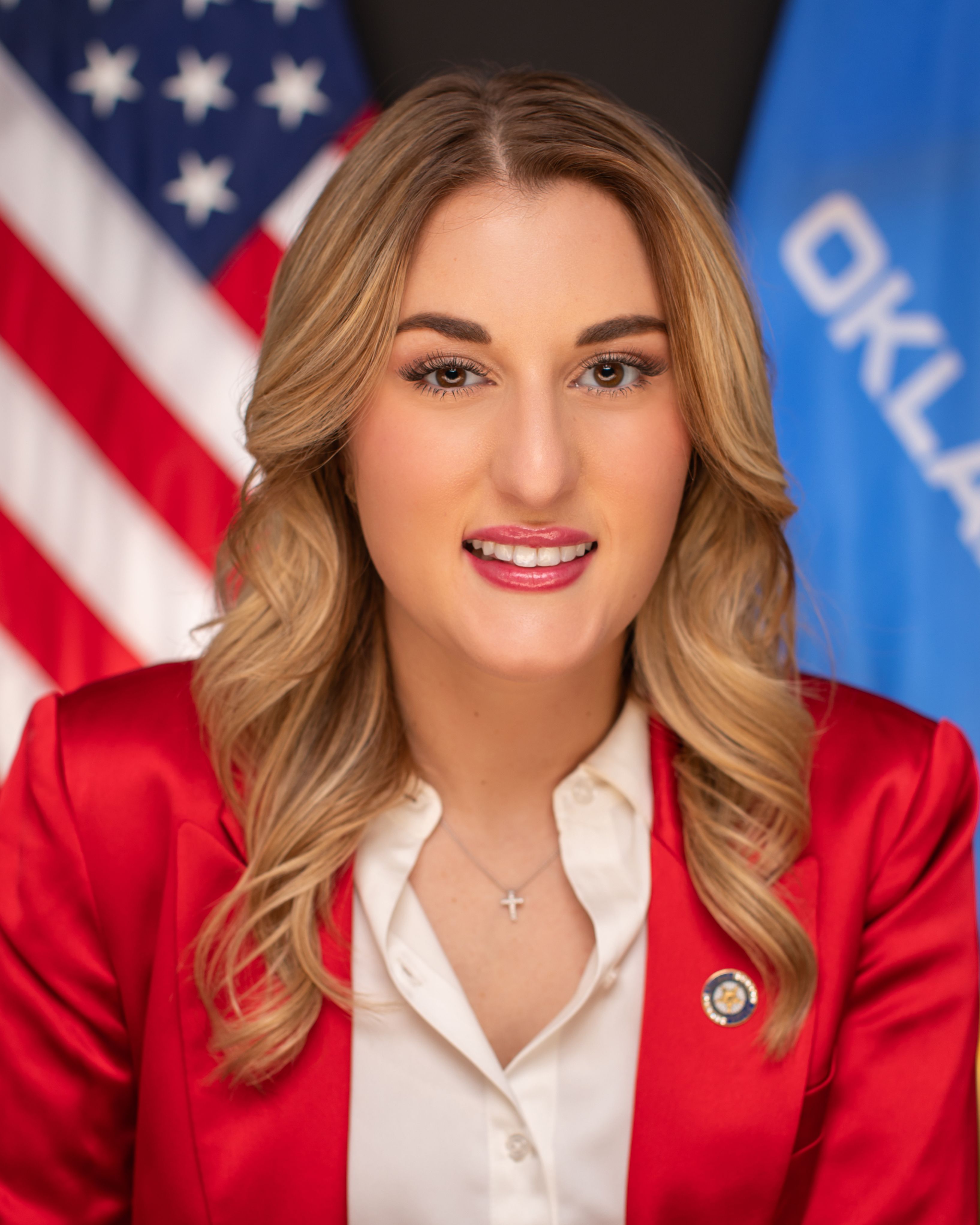
Rep. Emily Gise
Sponsored bills
Maddy summarySB 944 amends Oklahoma's hazing laws to strengthen protections for students at public and private schools and colleges. It defines hazing to include both physical harm (like forced activities or exposure) and mental harm (like extreme stress), making it illegal for student organizations to engage in such activities. Violations can lead to misdemeanor charges (up to $5,000 fines or 90 days in jail) or felony charges (up to 10 years in prison) if serious injury or death occurs, with civil penalties ($15,000 per violation) deposited into an Anti-Hazing Revolving Fund. The bill also prohibits defenses like "consent" or "tradition," protects whistleblowers who report hazing in good faith, and requires schools to develop hazing prevention programs.
Maddy summaryHB 1606 establishes the Oklahoma Massage Therapy Board to regulate the profession and amends Oklahoma's Massage Therapy Practice Act. The bill sets licensing requirements for massage therapists and schools, prohibits unlicensed practice using terms like "massage therapist," and defines the scope of practice (e.g., therapists cannot diagnose illness, use ultrasound, or prescribe medicine). It clarifies that physicians and other licensed health professionals providing services within their scope do not need additional massage therapy licensing, and permits limited exceptions for students, visiting instructors, and emergency response teams. The bill is currently pending after being withdrawn from committees in February 2025.
Maddy summaryHB 1606 establishes the Oklahoma Massage Therapy Board to regulate the profession and updates licensing requirements for massage therapists. The bill requires anyone practicing massage therapy to hold a license, prohibits unlicensed individuals from using the title "massage therapist" or advertising massage services, and defines the scope of practice to exclude medical diagnoses, ultrasound, electrical stimulation, or breaking the skin. It clarifies that licensed health professionals (like doctors) can refer patients to massage therapists without needing separate licensing and allows exceptions for students, visiting instructors, and emergency response teams. The law aims to standardize qualifications, prevent unlicensed practice, and ensure public safety through board oversight.
Maddy summaryHB 1609 is a procedural bill that names the "State Government Act of 2025" for reference purposes and sets its effective date as November 1, 2025. It does not create new laws or policies, nor does it affect any specific groups or agencies. The bill simply establishes a title for future state government-related legislation and specifies when it takes effect. As a non-substantive measure, it will not be added to Oklahoma's official statutes.
Maddy summaryHB 1615 is a procedural bill that establishes the name "Oklahoma Revenue and Taxation Act of 2025" for future tax legislation and sets its effective date as November 1, 2025. It does not change tax rates, exemptions, or other substantive tax policy. The bill serves only to formally name the upcoming tax code and specify when it will take effect. This is a routine administrative step, not a policy change affecting taxpayers or businesses.
Maddy summaryHB 1618 is a procedural bill that names the "Children and Juvenile Code Act of 2025" and sets its effective date as November 1, 2025. It does not establish new policies or affect specific individuals or groups, as it merely provides a title for an existing or future juvenile code framework. The bill's text contains no substantive provisions or mechanisms, only naming and effective date language. This is a routine legislative naming action with no direct policy changes.
Maddy summaryThis bill officially names the "Children and Juvenile Code Act of 2025" and sets its effective date for November 1, 2025. It does not create new laws or change existing policies but serves as a procedural measure to establish the formal title and implementation timeline for future legislation related to children and juveniles. The bill directly affects the legislative process by defining how subsequent laws on this topic will be referenced and when they will take effect.
Maddy summarySB 587 requires Oklahoma public school districts to provide mandatory instruction in human growth and development for students in grades 9-12 starting with the 2025-2026 school year. The bill specifies that this instruction must include human biology related to pregnancy, fetal development inside the womb, a 3-minute high-definition ultrasound video showing early fetal organ development, and a computer-generated animation of fertilization and pregnancy stages. School districts may integrate this content into existing courses, and the law takes effect July 1, 2025. This bill directly affects all Oklahoma high school students in grades 9-12 and school districts statewide.
Maddy summaryThis bill creates the Oklahoma Revenue and Taxation Act of 2025, which serves as a formal title for future revenue and tax legislation. It does not change any tax rates, fees, or regulations, but instead establishes a legal name for organizing related laws. The act will become effective on November 1, 2025, and applies to all Oklahoma state revenue and taxation matters. This is primarily a procedural measure that helps organize and reference tax laws rather than implementing new tax policies.