

Maddy summaryHB 1899 is a procedural bill that names Oklahoma's "Artificial Intelligence Act of 2025" and sets its effective date. It does not establish new regulations, requirements, or policies related to artificial intelligence. The bill solely provides the official title for future legislation and specifies November 1, 2025, as the effective date. No specific provisions or affected parties are defined in the bill text.
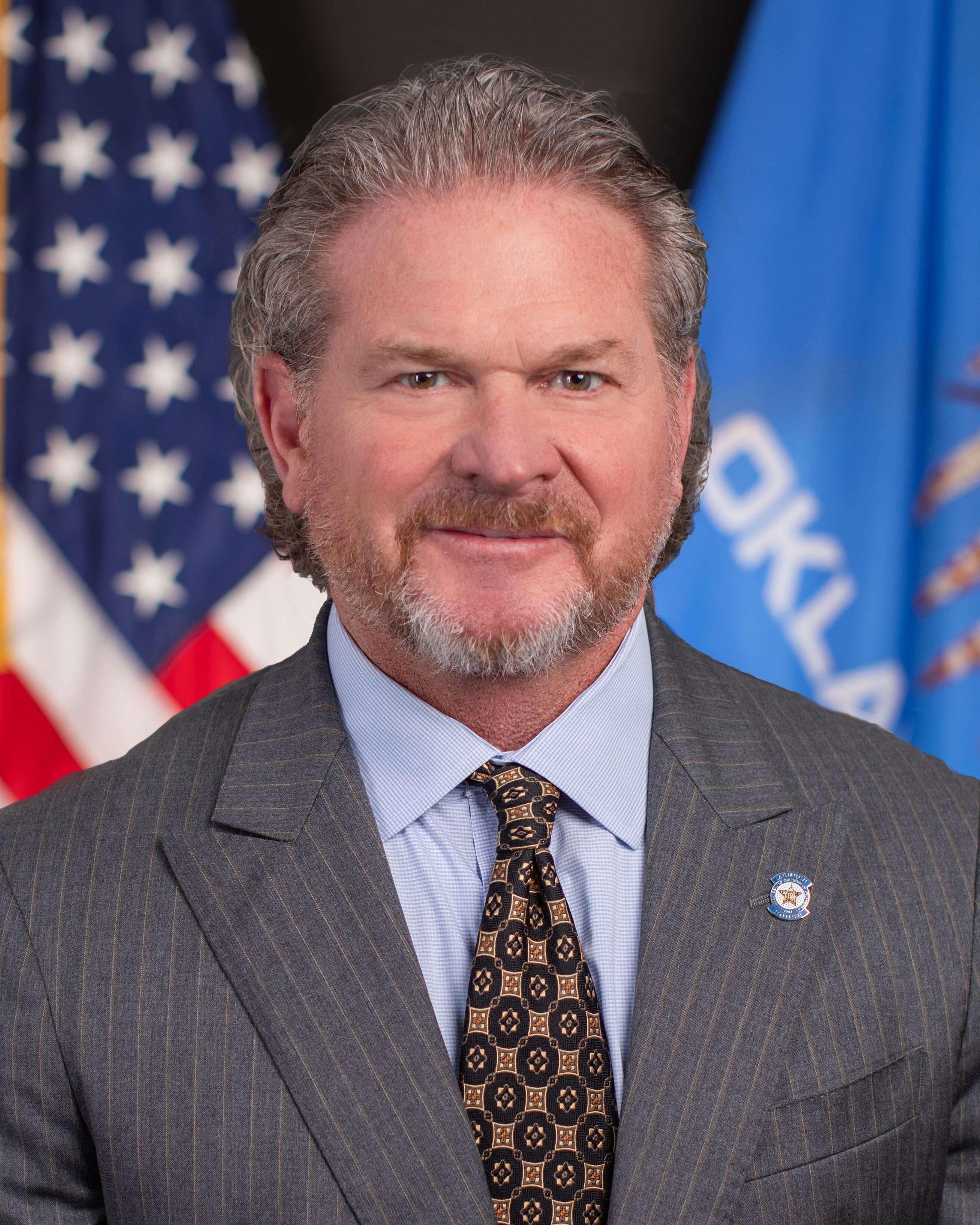
Rep. Stan May
Sponsored bills
Maddy summaryHB 1890 removes the requirement for physical property inspections in Oklahoma's property tax system, allowing county assessors to use statistical methods instead for determining property values. It amends definitions in the ad valorem tax code to clarify that statistical approaches (like multiple regression analysis) can now be used to estimate fair cash value without direct property observation. The bill also modifies income cap provisions related to property tax calculations. This change directly affects county assessors, property owners, and the process for valuing taxable properties statewide.
Maddy summaryHouse Bill 1882 formally names a new legislative measure as the "Human Trafficking Victims Protection Act of 2025." The bill also sets the effective date for this act as November 1, 2025.
Maddy summaryHB 1899 is a procedural bill that names the "Artificial Intelligence Act of 2025" and sets its effective date as November 1, 2025. The bill does not establish new regulations or policy requirements but formally designates this title for future legislation. It explicitly states the act will not be codified in the Oklahoma Statutes. This is a naming and timing provision with no substantive policy changes described in the text.
Maddy summaryHB 1897 introduces the Oklahoma Prison Correspondence of Improvements Act of 2025, which establishes a new legal framework for prison correspondence improvements in Oklahoma. The bill directly affects prison administrators and inmates by creating a statutory basis for enhancing communication systems within correctional facilities. It becomes effective on November 1, 2025, and does not specify particular operational changes or funding mechanisms in its current text. The legislation serves as a foundational statute that may enable future specific programs or regulations related to prison communication improvements.
Maddy summaryHB 1896, the "Oklahoma Tourniquet Availability Act of 2025," requires all Oklahoma public and private K-12 schools to have tourniquets available for emergency use. The bill mandates that schools must maintain accessible tourniquets to address severe bleeding incidents, directly affecting school administrators and staff responsible for implementing this requirement. It sets an effective date of November 1, 2025, for the provision to take effect. The bill is procedural, creating a new uncodified requirement without specifying implementation details like storage locations or staff training.
Maddy summaryHB 1895 establishes the "Oklahoma Anti-Sex Trafficking Act of 2025" as a named legislative act and sets its effective date for November 1, 2025. The bill text provided contains no substantive policy provisions or mechanisms; it only creates the act's name and effective date. This is a procedural bill that names future legislation but does not detail specific actions, affected parties, or policy changes. As introduced on February 3, 2025, it has not yet advanced beyond initial readings. No concrete policy changes or affected groups are described in the available text.
Maddy summaryThis bill formally names the "Phone and Device Security Act of 2025" and sets its effective date for November 1, 2025. It contains no substantive policy provisions or security requirements; it is purely a procedural measure that will not be codified in Oklahoma Statutes. The bill directly affects state legislative processes by establishing the bill's title and timeline. It does not create new security rules or impact residents, businesses, or device manufacturers.
Maddy summaryHB 1887 requires hospitals and outpatient surgical centers in Oklahoma to implement policies mandating the use of smoke evacuation systems during surgical procedures that generate harmful smoke. These systems capture and filter surgical smoke at its source before it can reach medical staff or patients. The law defines "surgical smoke" as the gaseous by-product from energy-generating devices during surgery and specifies that health care employers must adopt these policies. The bill takes effect November 1, 2025.
Maddy summaryHB 1885, the "Safeguarding Juvenile Justice Act," requires all interactions between juveniles and court personnel (including judges, attorneys, and officials) to be recorded visually and audibly in court proceedings, with trained advocates or social workers present during these interactions. It mandates judges handling juvenile cases to complete six hours of annual training on ethical conduct and preventing inappropriate behavior, while attorneys in juvenile cases must complete three hours of similar training yearly. The bill also updates grievance procedures for youth detained in facilities, requiring clear complaint processes and facility accessibility of these policies. These changes aim to increase transparency and accountability in Oklahoma's juvenile justice system, effective November 1, 2025.