

Maddy summaryHB 1888 formally names the "Motor Vehicle Modernization Act of 2025" and sets its effective date as November 1, 2025. This procedural bill does not establish new regulations or requirements for motor vehicles. It creates a named act for future legislative reference but contains no substantive policy changes. The bill was introduced on February 3, 2025, and referred to the Rules committee.
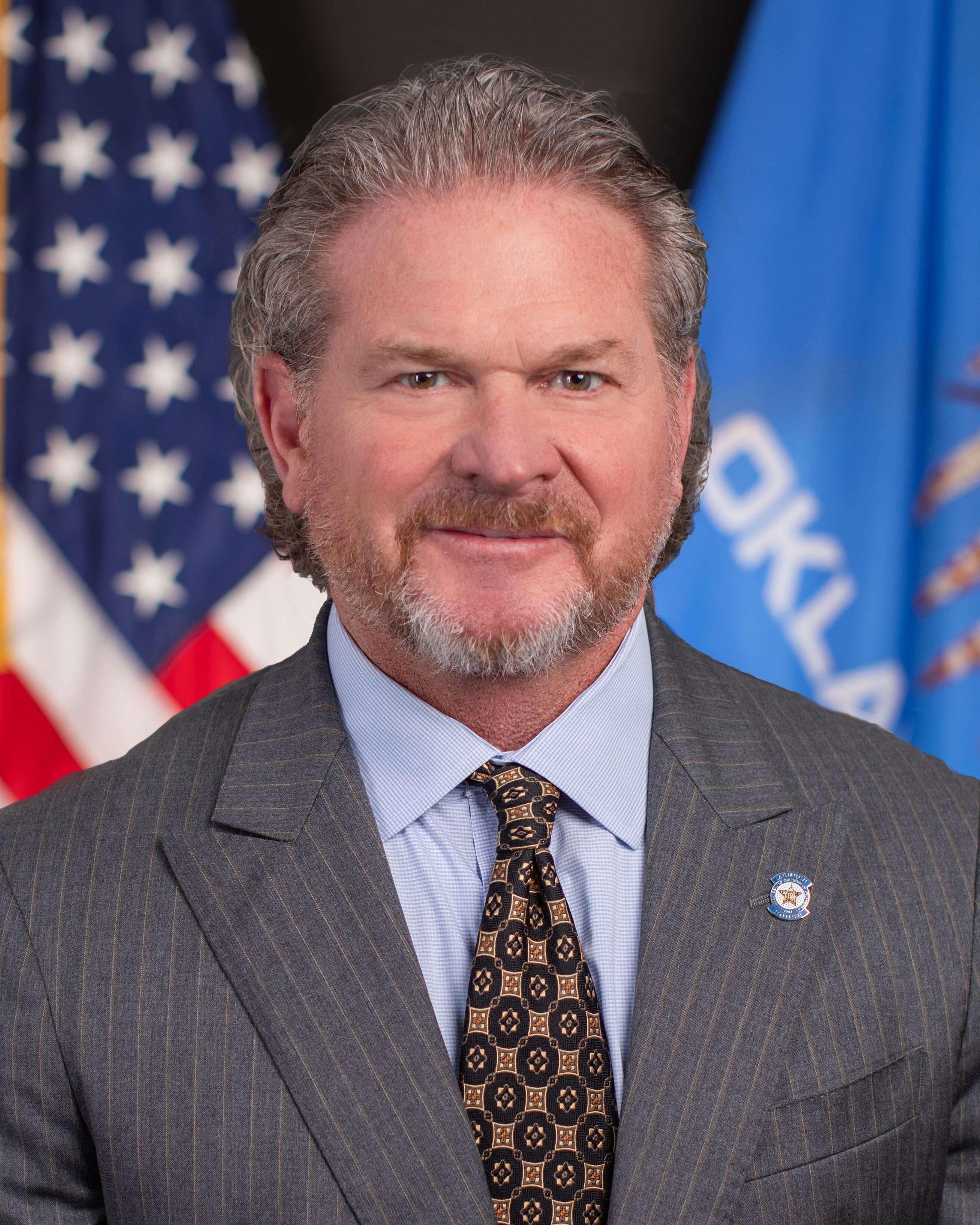
Rep. Stan May
Sponsored bills
Maddy summaryHB 1894 creates the "Oklahoma Anti-Sex Trafficking Act of 2025" as a named legislative act without adding new provisions to Oklahoma's codified statutes. The bill solely establishes the act's name and sets its effective date as November 1, 2025. No substantive policy changes, mechanisms, or affected groups are described in the provided bill text. This is a procedural bill naming the act and setting its effective date, with no additional details on implementation or scope available in the context.
Maddy summaryHB 1895 creates the "Oklahoma Anti-Sex Trafficking Act of 2025" and sets its effective date as November 1, 2025. This procedural bill establishes the name and implementation timeline for the act but does not describe specific policy provisions or mechanisms. It does not outline new programs, penalties, or direct impacts on individuals or organizations. The bill serves as a naming and timing measure for future legislation related to sex trafficking.
Maddy summaryThe provided context does not include substantive policy details for HB 1893 beyond its title and effective date. The bill formally names "the Oklahoma Anti-Sex Trafficking Act of 2025" and sets an effective date of November 1, 2025. No specific mechanisms, provisions, or affected parties are described in the available text. Since the context lacks concrete policy language, a full summary of its provisions cannot be generated. This appears to be a procedural bill naming the act rather than detailing its content.
Maddy summaryHB 1883 modifies Oklahoma's mortgage broker and lender licensing fees. It establishes an annual assessment fee based on the dollar volume of residential loans originated and serviced in Oklahoma, calculated at 0.008% of that volume. The fee must be at least $1,000 annually but capped at $40,000 for loan origination and $17,500-$27,500 for servicing (depending on the year), with a $1,200 one-time application fee. These changes directly affect mortgage brokers, lenders, and loan originators operating in Oklahoma who must pay these fees to maintain their licenses.
Maddy summaryHB 1887 requires hospitals, ambulatory surgical facilities, and outpatient surgical centers in Oklahoma to implement policies mandating the use of smoke evacuation systems during surgical procedures that generate surgical smoke (like from lasers or scalpels). These systems must capture and filter smoke at its source before it reaches medical staff or patients. The law takes effect November 1, 2025, directly affecting healthcare employers who perform smoke-producing surgeries. It defines "surgical smoke" as gaseous by-products from energy-generating surgical tools.
Maddy summaryHB 1890 amends Oklahoma's ad valorem tax code by removing the requirement for county assessors to conduct physical inspections of properties when determining their value. This change directly affects property owners and county assessors, as it allows valuations to rely on statistical methods (like mass appraisal or regression analysis) instead of on-site visits. The bill also modifies income caps for certain tax exemptions. These changes streamline the assessment process but do not alter tax rates or exemption eligibility thresholds.
Maddy summaryHB 1897 is a procedural bill that names the "Oklahoma Prison Correspondence of Improvements Act of 2025" and sets its effective date as November 1, 2025. The bill itself contains no substantive policy changes or mechanisms, as it only establishes the act's name and effective date. It does not describe specific improvements to prison correspondence systems or identify who would be directly affected. This is a naming and scheduling measure with no described policy content in the provided text.
Maddy summaryHB 1885, the "Safeguarding Juvenile Justice Act," requires all interactions between juveniles and court personnel (including judges, attorneys, and court officials) to be recorded visually and audibly with trained advocates present. It mandates judges with juvenile cases complete six hours of annual training on ethical conduct and grooming prevention, while attorneys handling juvenile cases must complete three hours annually on similar topics. The bill also updates grievance procedures for youth in detention, requiring facilities to make complaint processes accessible and directing the Oklahoma Commission on Children and Youth to investigate complaints about facility conditions or staff misconduct. These changes apply directly to juvenile court participants, judges, attorneys, and detention facilities across Oklahoma, effective November 1, 2025.
Maddy summaryHB 1896, titled the Oklahoma Tourniquet Availability Act of 2025, establishes a new law requiring tourniquets to be available in schools across Oklahoma. The bill directly affects school districts and administrators by mandating the presence of these medical devices for emergency bleeding control. The law does not specify exact placement requirements or training mandates, but it sets a baseline availability standard for educational facilities. This legislation becomes effective on November 1, 2025, and is not codified in the Oklahoma Statutes.