

Maddy summaryHB 2715 increases penalties for misusing laser pointers by targeting two specific behaviors: pointing lasers at law enforcement officers during official duties and aiming lasers at aircraft or flight paths. For first offenses, fines rise to $500 for officers and $1,000 for aircraft, with prison terms up to one year or two years, respectively; repeat offenses carry higher fines ($1,000-$5,000) and longer prison terms (up to five years). The law explicitly exempts authorized personnel, including aircraft manufacturers, military personnel, and emergency signaling devices. It directly affects individuals who misuse laser pointers near officers or aircraft, not the general public using lasers responsibly. The bill amends Oklahoma’s Laser Safety Act without creating new prohibitions.
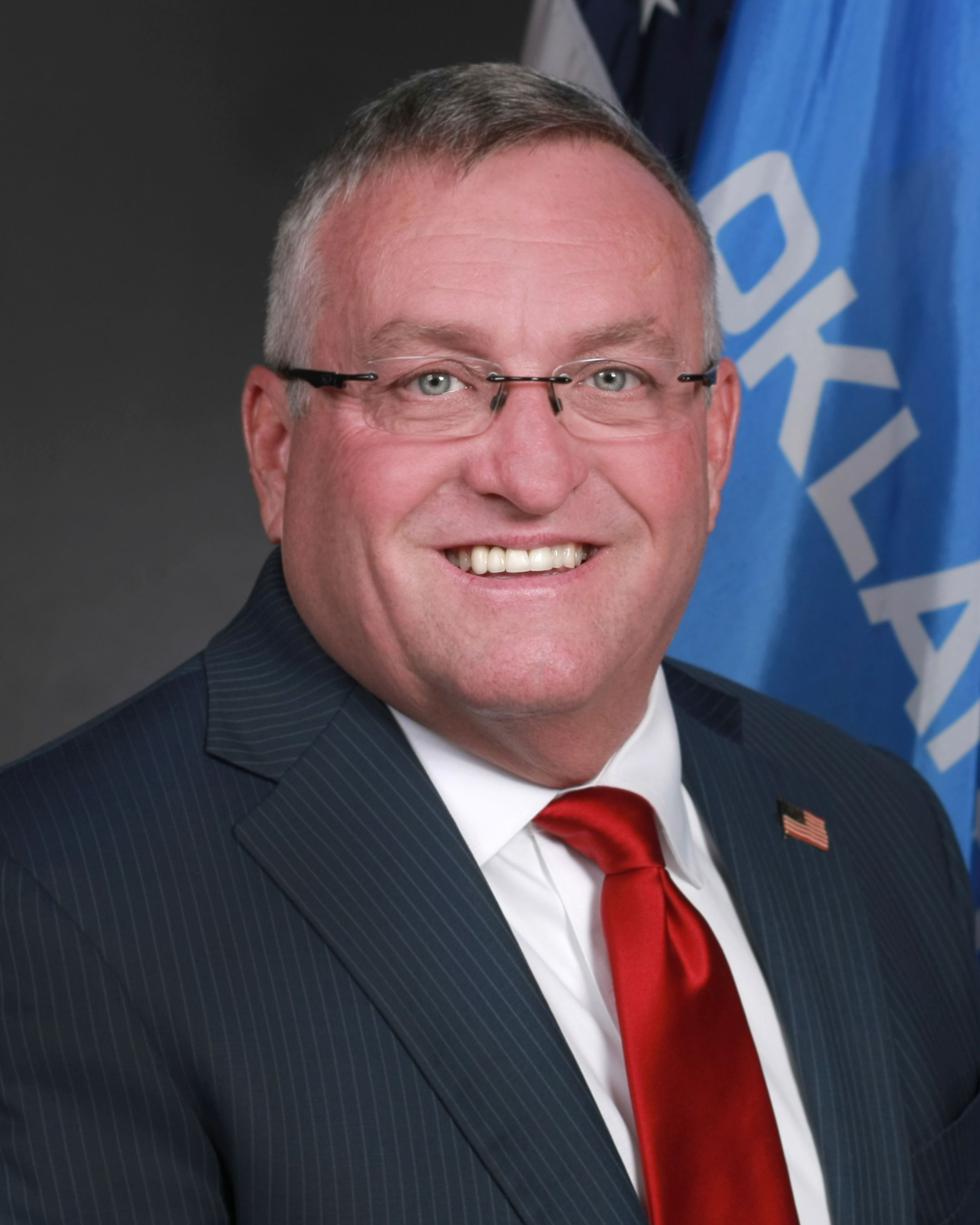
Rep. Ross Ford
Sponsored bills
Maddy summaryHB 2725 requires drivers and towing operators to remove glass or hazardous materials they drop on highways, with insurers covering cleanup costs if the vehicle owner has proper coverage. Insurers must pay these cleanup claims first, creating a "special lien" that takes priority over other claims. The bill also mandates that truck drivers carry insurance specifically covering roadway spill cleanup costs. This directly affects drivers, towing companies, and insurers in Oklahoma. The law becomes effective November 1, 2025.
Maddy summaryHB 2722 creates the "Wrecker Services Modernization Act of 2025" and sets its effective date as November 1, 2025. This bill is procedural in nature, naming the act and establishing its effective date without detailing specific policy provisions. The bill text provided does not include the substantive modernization measures or affected parties (e.g., wrecker service providers or consumers). Since the actual provisions of the "Modernization Act" are not included in the bill text, a summary of policy changes cannot be generated from the available information.
Maddy summaryHB 2727 names the "Oklahoma Open Records Reform Act of 2025" and sets its effective date as November 1, 2025. This is a procedural bill that establishes the act's name without changing existing open records laws or creating new requirements. It does not affect any specific individuals, organizations, or policy mechanisms. The bill simply provides the official title for future legislation related to open records.
Maddy summaryThis Oklahoma bill requires courts to grant additional visitation time when a Department of Human Services (DHS) investigation (without finding abuse or neglect) denies court-ordered access to a child. The extra time must match the original denied schedule (e.g., weekends or holidays) and occur within two years of the court’s finding. Parents directly affected by such denied access get to choose the timing of the additional visits. The law explicitly states this does not create legal claims against DHS.
Maddy summaryHB 2721 establishes the "9-1-1 Emergency Call Updating Act of 2025" as a non-codified legislative act. It sets an effective date of November 1, 2025, for this naming provision. The bill does not describe substantive changes to 9-1-1 services or affect specific groups, as it is purely procedural in nature.
Maddy summaryThis bill allocates $200,000 from Oklahoma's General Revenue Fund to the Office of the Attorney General for the National Child Identification Program. The funds specifically support the Human Trafficking Response Unit's efforts to implement this program for kindergarten students during the 2025-2026 school year. The appropriation is intended to facilitate the program's operation and is effective July 1, 2025. This is a funding measure directly affecting kindergarten students in Oklahoma through the Attorney General's office.
Maddy summaryHB 2719 amends Oklahoma's prostitution-related penalties in Section 1031 of Title 21. It increases penalties for specific offenses, including classifying prostitution while knowingly HIV-positive as a felony (up to 5 years), child prostitution as a felony (up to 10 years), and prostitution within 1,000 feet of schools/churches as a felony (up to 5 years). The bill also adds community service requirements (40-80 hours) and mandates courts to notify county health officials of convictions. It becomes effective November 1, 2025.
Maddy summaryHB 2723 requires that when a government entity establishes a citizen review board to investigate law enforcement misconduct, at least two-thirds of the board members must be certified law enforcement officers. It also mandates that any findings, investigations, or disciplinary recommendations require a majority vote. The bill exempts certain entities, including boards that only review cases without setting discipline, the Council on Law Enforcement Education and Training (CLEET), and multijurisdictional task forces with two-thirds law enforcement members. This law takes effect November 1, 2025, and applies to all state-level law enforcement misconduct review processes.
Maddy summaryHB 2726 is a procedural bill that formally names the legislation as the "Elections Act of 2025" and sets its effective date as November 1, 2025. It contains no substantive policy changes or new election rules; it only establishes the bill's official title and implementation timeline. This bill directly affects the legislative process by defining how the upcoming election-related law will be referenced and implemented. As a naming and timing measure, it does not alter voting procedures, voter eligibility, or election administration.