

Maddy summaryHB 4104 expands Oklahoma's sex offender registration requirements by adding 38 new offenses to the list that trigger mandatory registration. It amends Oklahoma Statutes to require registration for convictions involving second or subsequent domestic violence offenses, stalking, certain animal cruelty, specific violations of the Sex Offenders Registration Act (like failing to register), and other specified crimes. This affects individuals convicted of any of these newly designated offenses, including repeat domestic abuse, stalking, or offenses related to non-compliance with registration rules. The bill takes effect January 1, 2026, and does not address loitering as implied by its title.

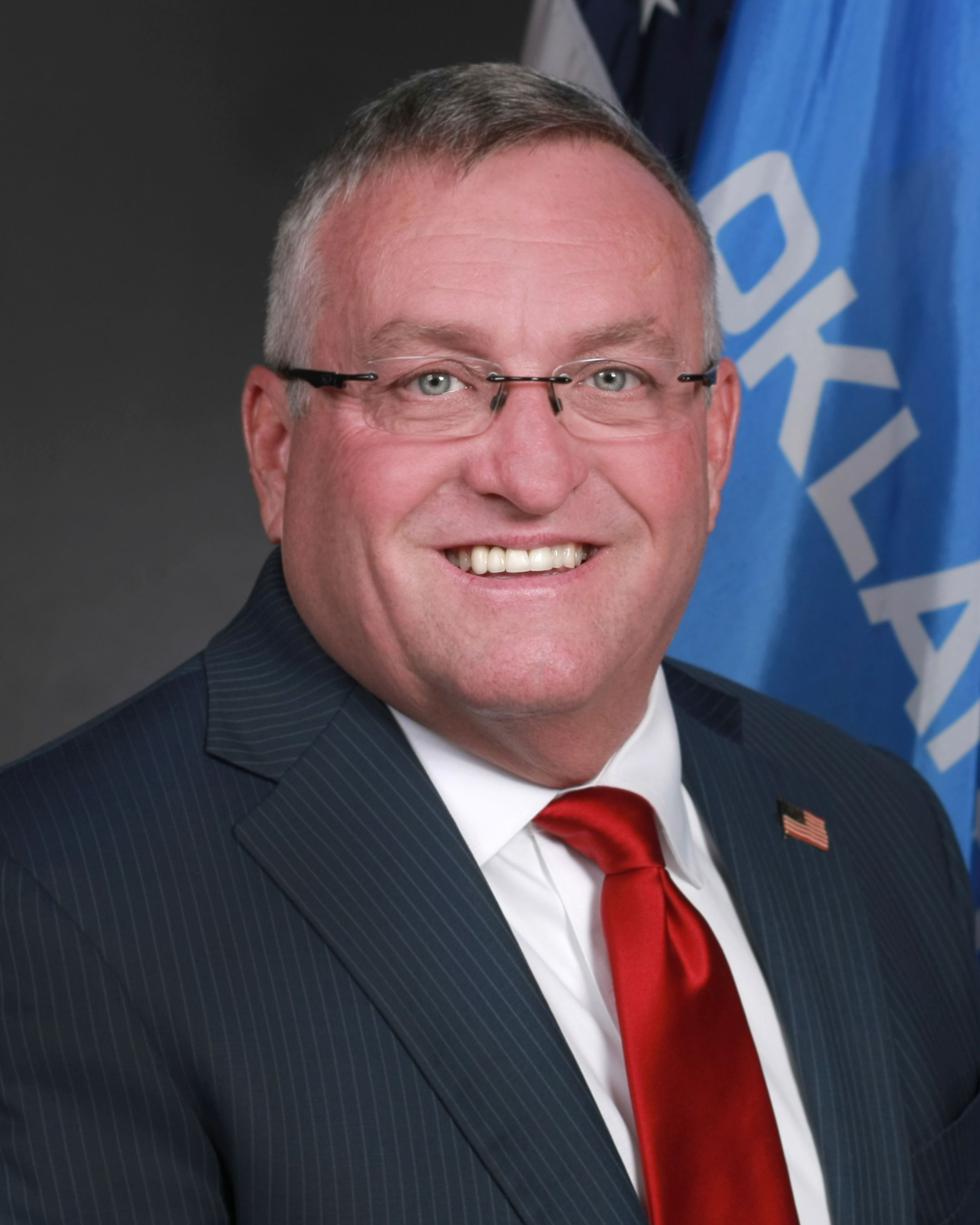
Rep. Ross Ford
Sponsored bills
Maddy summaryHB 4108 amends Oklahoma law to explicitly include airport operational areas - such as runways, taxiways, maintenance zones, and fuel storage areas - under the definition of "critical infrastructure facility." This means unauthorized entry or damage to these areas will now be treated as criminal offenses, subject to fines (up to $100,000) or imprisonment (up to 10 years), similar to protections for power plants or water facilities. The bill does not fund new infrastructure but expands legal safeguards for airport safety and operations. It directly affects airport operators, security personnel, and anyone entering airport grounds without authorization. The law takes effect November 1, 2026.
Maddy summarySB 1636 creates a formal process for reviewing cold cases at the Oklahoma State Bureau of Investigation (OSBI). It defines "cold cases" as violent crimes with exhausted leads and unidentified perpetrators, and establishes that immediate family members can request a "case file review" of these cases. The bill requires the OSBI to complete reviews within 60 days (with possible 30-day extensions), mandates coordination with law enforcement, and sets specific criteria for when reviews can be initiated. This procedural bill directly affects families of cold case victims by providing a structured way to seek updates on unresolved investigations.
Maddy summaryHB 1250 is a procedural bill that names itself the "General Government Act of 2025" and sets its effective date as November 1, 2025. It does not change any existing laws or affect specific groups; it solely establishes the bill's official title and implementation timeline. The bill has no substantive policy provisions or mechanisms beyond its naming and effective date. This is a standard procedural measure, not a policy change.
Maddy summaryHB 4105 amends Oklahoma's Security Guard and Private Investigator Act by clarifying key definitions, such as "private investigator" (excluding government employees and in-house staff) and "security guard" (excluding event staff like ushers and certain government personnel). The bill directly affects security agencies, private investigators, and their employers by specifying who must hold a license under existing law and who is exempt. It also introduces a "special event license" for temporary security roles at one-time events like festivals. The changes take effect November 1, 2026, and aim to reduce ambiguity in licensing requirements without creating new obligations.
Maddy summaryHB 4106 amends Oklahoma law to increase the threshold for grand larceny from $500 to $900. This means thefts valued at $900 or more will be classified as grand larceny (a felony), while thefts under $900 will be treated as lesser offenses (like petit larceny). The bill directly affects individuals committing thefts and law enforcement/courts that categorize these crimes. The key change is a straightforward adjustment to the monetary value defining the severity of the offense, with no other policy shifts.
Maddy summaryHB 2710 creates the Oklahoma Emergency Communications Act, consolidating emergency communications operations under a new Oklahoma Emergency Communications Section within the Office of Homeland Security. It transfers all personnel, records, and assets from the previous Oklahoma 9-1-1 Management Authority to the new 9-1-1 Management Unit and establishes an Oklahoma Emergency Communications Council to advise on system development. The bill creates a Restricted Revolving Fund to manage system maintenance costs and allows the Homeland Security Advisor to transfer assets (like towers or equipment) to local governments or agencies without following standard surplus property rules. This directly affects emergency communications staff, local governments receiving transferred assets, and the state’s 9-1-1 system operations, aiming to improve coordination and resource management for emergency response.
Maddy summaryHB 4107 regulates the use of outdoor warning sirens in Oklahoma by making unauthorized activation or tampering a crime. It prohibits anyone from intentionally activating, damaging, or interfering with sirens without proper authorization from a government agency, with misdemeanor penalties of up to $1,000 or 1 year in jail. If false activation causes panic, it becomes a felony punishable by up to $5,000 or 5 years in prison. The law explicitly exempts government employees, contractors, and authorized maintenance personnel acting within their official duties. It takes effect November 1, 2026.
Maddy summaryHB 2696 requires Oklahoma public schools to provide parents, guardians, or students aged 18+ with full access to individual student records - such as assessments, progress reports, and internal communications - without redaction or omission, except when legally prohibited. Schools must release these records promptly, free of charge, and in a timely manner per the Oklahoma Open Records Act. The bill clarifies that directory information (e.g., name, address, sports participation) may still be released only with parental consent for minors, but schools cannot withhold it without following federal privacy rules. This law, effective November 1, 2025, aims to increase transparency in educational record access while maintaining compliance with federal student privacy laws.
Maddy summarySB 1813 authorizes Oklahoma to join the Athletic Trainer Compact, a multi-state agreement enabling licensed athletic trainers to practice across participating states without obtaining separate licenses. The bill establishes a "Compact Privilege" allowing qualified trainers from member states to provide services in Oklahoma while adhering to local scope-of-practice rules. Key provisions include mutual recognition of licenses, streamlined interstate practice, reduced administrative burdens, and enhanced information sharing among states regarding licensure and disciplinary actions. This directly affects athletic trainers seeking to work in multiple states and patients in member states who gain broader access to certified care. The compact preserves each state’s authority to regulate practice and protect public safety through existing licensure systems.