

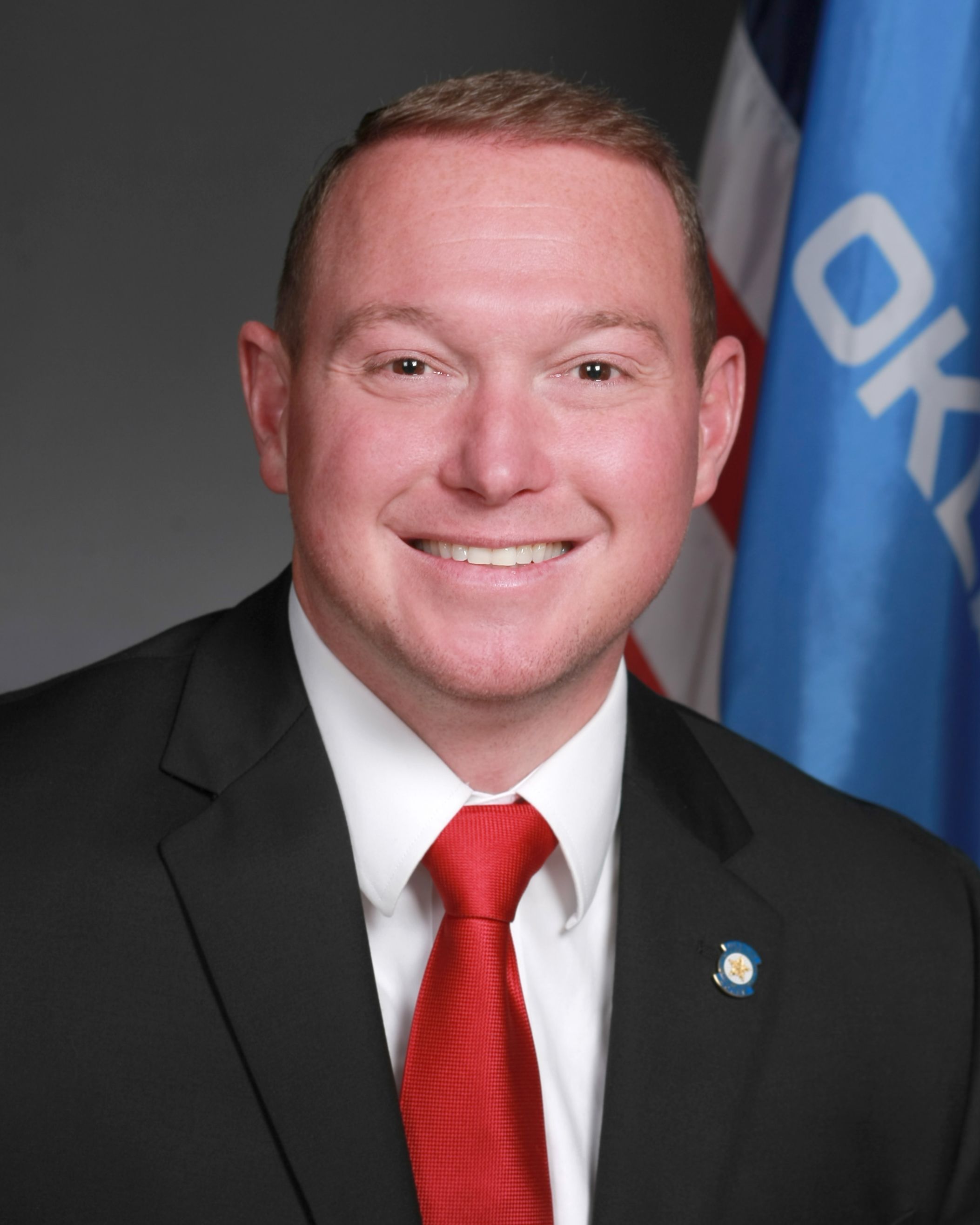
Maddy summarySB 520 amends Oklahoma's alcoholic beverage licensing law to require that certain prohibited acts by licensees (like bars or restaurants) must be intentional to be punishable. Specifically, it changes Section 6-102 to add "intent" as a required element for violations related to selling alcohol outside permitted conditions, such as serving underage patrons or offering unauthorized drink specials. This affects licensed establishments and their employees by raising the standard for enforcement actions. The bill does not change the specific prohibited acts themselves but clarifies that enforcement requires proof of intentional violation, not merely accidental or unknowing conduct.
Rep. T.J. Marti
Sponsored bills
Maddy summarySB 520 modifies Oklahoma's alcohol licensing rules by adding a requirement that certain violations must be committed "knowingly" to be punishable. Specifically, it amends Section 6-102 to require that licensees must have knowingly received, possessed, or sold alcohol without authorization (current rule 1) or permitted underage service (current rule 2) for penalties to apply. This change directly affects bars, restaurants, and other businesses holding alcohol licenses by raising the legal standard for enforcement of these specific prohibitions. The bill does not alter the underlying rules but clarifies that unintentional violations will not trigger penalties.
Maddy summarySB 1092 requires licensed medical marijuana commercial growers in Oklahoma to submit an odor control plan by January 1, 2027. The plan must detail facility information, odor-emitting activities, and specific mitigation practices to address smell concerns. Businesses receiving three or more odor complaints within 30 days must also submit a plan. The bill takes effect November 1, 2025, and directs the Oklahoma Medical Marijuana Authority to create implementing rules.
Maddy summarySB 1092 requires Oklahoma's licensed commercial medical marijuana growers to submit detailed odor control plans by January 1, 2027. The plan must include facility details (like address and operations), information about odor-emitting activities, and specific mitigation methods to control odors. Businesses receiving three or more odor complaints within 30 days must also submit a plan. The Oklahoma Medical Marijuana Authority will develop implementing rules, and the bill takes effect November 1, 2025. This directly affects commercial growers operating medical marijuana facilities.
Maddy summarySB 161 requires pharmacy benefit managers (PBMs) operating in the state to uphold a specific fiduciary duty. This means PBMs must act in the best interests of patients, not just their own financial gain, when making decisions about drug coverage and pricing. The bill establishes new rules for how PBMs manage prescription drug benefits, mandating transparency and prioritizing patient welfare. It directly affects all PBMs providing services to health plans within the state, changing their operational obligations under current law.
Maddy summarySB 161 requires pharmacy benefit managers (PBMs) operating in Oklahoma to act in the best interest of pharmacies by prohibiting specific practices. It bans PBMs from charging pharmacies fees for enrollment, credentialing, or claim processing, mandates equal reimbursement for comparable services (including PBM-owned pharmacies), and prevents retroactive claim denials except for fraud or audit errors. The bill also ensures pharmacies can inform patients about cost differences between using insurance versus paying directly. These rules directly affect all PBMs and retail pharmacies participating in Oklahoma's pharmacy networks.
Maddy summaryHB 2814 is a procedural bill that names the "Oklahoma Alcoholic Beverages Act of 2025" and sets its effective date as November 1, 2025. It does not change any existing alcohol regulations or directly affect businesses, consumers, or state agencies. The bill serves solely to establish the act's official title and implementation timeline. This is a standard naming and effective date provision with no substantive policy changes.
Maddy summaryHB 2809, the Oklahoma Public Health and Safety Reform Act of 2025, is a procedural bill that establishes the official name and effective date for future public health and safety legislation. The bill does not create new laws or policies but instead designates this act as the legal title for subsequent public health and safety reforms. It will become effective on November 1, 2025, and is not intended to be added to the Oklahoma Statutes. This measure primarily affects state legislative processes by providing a formal citation for future related laws.
Maddy summaryHB 2817 requires pharmacy benefits managers (PBMs) and health insurers in Oklahoma to reduce enrollees' out-of-pocket costs for prescription drugs by at least 85% of all rebates they receive from drug manufacturers. This means patients pay less at the pharmacy counter based on a price adjusted for these rebates, rather than the full drug cost. PBMs and insurers face fines of $100-$10,000 per violation for noncompliance, though they may pass through more than the 85% requirement. The bill also protects specific rebate details as trade secrets, prohibiting public disclosure of manufacturer- or product-level rebate amounts.
Maddy summaryHB 2813 is a procedural bill that names the "Oklahoma Alcoholic Beverages Act of 2025" and sets its effective date. It does not change any alcohol regulations or affect specific groups; it only establishes the official title for future legislation related to alcoholic beverages. The bill specifies that this act takes effect on November 1, 2025. This is purely a naming and timing provision with no substantive policy changes.