

Maddy summaryHB 2799 would remove specific restrictions on Oklahoma liquor stores (retail spirits licensees). It eliminates requirements that stores only sell alcohol from certain wholesalers, that they close containers during sampling, and that they limit sales hours (except Sunday sales in counties that choose to allow it). The bill also removes the rule preventing sales in cities/towns with populations under 200 people and clarifies that using debit cards or credit cards does not count as extending credit. The bill failed in committee on April 24, 2025, and did not become law.
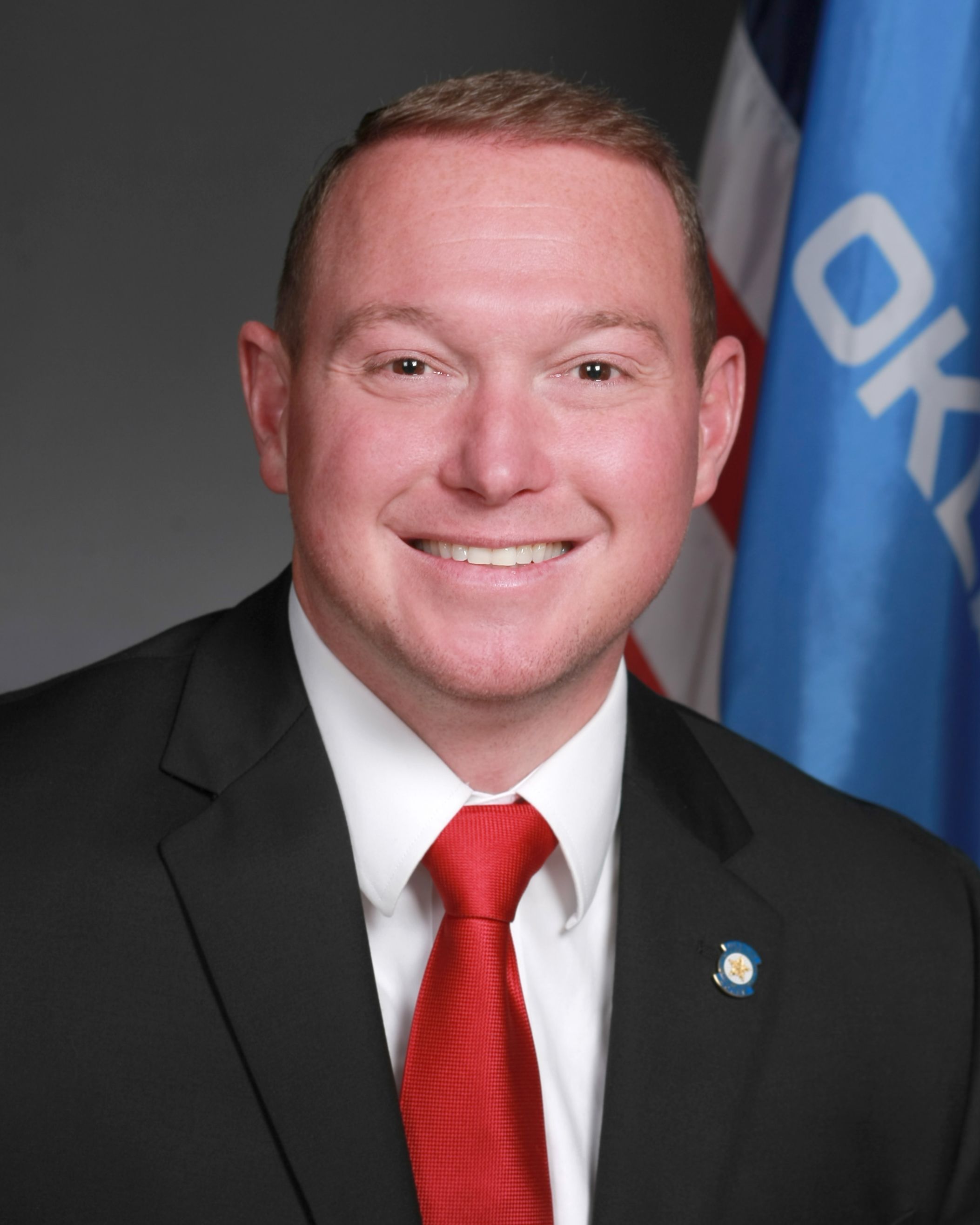
Rep. T.J. Marti
Sponsored bills
Maddy summaryHouse Bill 2799 amends Oklahoma law concerning alcoholic beverages. This bill removes the current prohibition that prevents retail spirits licensees from selling alcoholic beverages on credit. As a result, liquor stores would be permitted to accept credit as a form of payment for alcoholic beverages. This change primarily affects retail spirits licensees and consumers who purchase from them.
Maddy summaryHB 2802 amends Oklahoma's licensing laws for professions and occupations to limit when criminal history can block a license. It prohibits denial based on sealed/expunged records, arrests without conviction, or convictions over five years old (unless involving specific violent offenses like domestic abuse or sex offenses). Licensing agencies must now consider factors like the offense's relevance to the job, time passed, rehabilitation efforts, and provide written notice with appeal rights if denying a license. This directly affects applicants with criminal records seeking licenses for jobs like nursing, contracting, or childcare, ensuring decisions are based on specific, relevant criteria rather than vague standards.
Maddy summaryHouse Bill 2802 amends the rules for state licensing authorities considering an applicant's criminal history for professional licenses and certifications. It specifies that a conviction can only be grounds for denial if it "substantially relates" to the occupation's duties and "poses a reasonable threat" to public safety, health, or welfare. The bill requires authorities to consider factors like the offense's nature, time passed, and evidence of rehabilitation. It also prohibits denying a license based on arrests not followed by conviction, expunged records, or most convictions older than five years, with exceptions for serious offenses like sex crimes or domestic violence. Finally, it creates a process for applicants to receive written notice of potential denial and allows individuals to request a preliminary determination of their eligibility based on their criminal history.
Maddy summaryThis bill requires Oklahoma's Medicaid program to approve prior authorization for atypical antipsychotic drugs not on the preferred drug list when treating mood disorders like schizophrenia, bipolar disorder, or related conditions. It mandates approval if a patient has failed a trial of a preferred drug in the past year or is stable on a non-preferred medication. The policy ensures these drugs are covered at parity with other branded medications in the same class, without additional restrictions beyond standard Medicaid criteria.
Maddy summaryHB 2805 establishes minimum medical loss ratio (MLR) requirements for dental benefit plans in Oklahoma, requiring insurers to spend at least 85% of premium revenue on actual dental care (not overhead) for large group plans and 80% for individual/small group plans. If insurers fail to meet these ratios, they must issue annual rebates to enrollees calculated as the shortfall multiplied by total premium revenue (excluding certain fees). The bill also mandates annual MLR reporting to the Oklahoma Insurance Department by calendar year, with public data disclosure, and requires insurers to file dental rate changes by July 1 for January 1 effective dates. It does not apply to Medicaid plans and takes effect January 1, 2028, for rebate implementation.
Maddy summaryHB 2800 is a technical amendment to an existing property owners association law, not a substantive policy change. The bill corrects punctuation by deleting the word "or" between "fines" and "assessments" and inserting a comma, changing "fines or assessments" to "fines, assessments" in the text. This minor grammatical adjustment has no impact on fees, disclosures, or legal obligations for homeowners or property associations. The amendment passed unanimously in the House and is now moving to the Senate for consideration.
Maddy summaryHB 2805 establishes minimum medical loss ratio (MLR) standards for dental benefit plans in Oklahoma, requiring insurers to spend at least 80% of premium revenue on actual dental care (or 85% for large groups) rather than administrative costs. Dental insurers must annually report their MLR to the Oklahoma Insurance Department using federal-style forms, with rebates paid to enrollees if the ratio falls below the thresholds. The bill mandates transparent public reporting of MLR data and sets rules for calculating rebates based on the shortfall between actual spending and required minimums. It applies to all private dental plans but excludes Medicaid coverage.
Maddy summaryHB 2801 requires Oklahoma's Medicaid program to approve prior authorization for non-preferred atypical antipsychotic drugs when treating mood disorders, schizophrenia, or related conditions. It mandates coverage if a patient has either failed a trial of a preferred drug in the past year or is stable on a non-preferred medication. The bill ensures these medications are available at the same level as other branded drugs in their class. This directly affects Medicaid patients needing these treatments and their healthcare providers, who must submit claims or provider attestation for approval. The policy change takes effect November 1, 2025.
Maddy summaryThis is a procedural amendment to HB 2800, which modifies punctuation in a section about property owners' associations and financial assessments. The amendment deletes the word "or" and inserts a comma after "fines" in the text. It does not change any substantive policy or create new requirements. The amendment passed the House with strong support (73-14) and was referred to the Senate Judiciary Committee.