

Maddy summaryHB 3975 establishes the Oklahoma Rural Health Transformation Program (ORHT) to manage federal funds for rural health initiatives, designating the Oklahoma State Department of Health (ODH) as the lead agency responsible for overseeing these funds and reporting to state officials. The bill creates an Oklahoma Rural Health Transformation Revolving Fund to hold federal funds, requiring ODH to submit annual reports to state leaders and quarterly public updates on fund expenditures and project progress. It mandates ODH to align program outcomes with federal reporting requirements to ensure proper oversight of funds received through the Centers for Medicare and Medicaid Services (CMS).
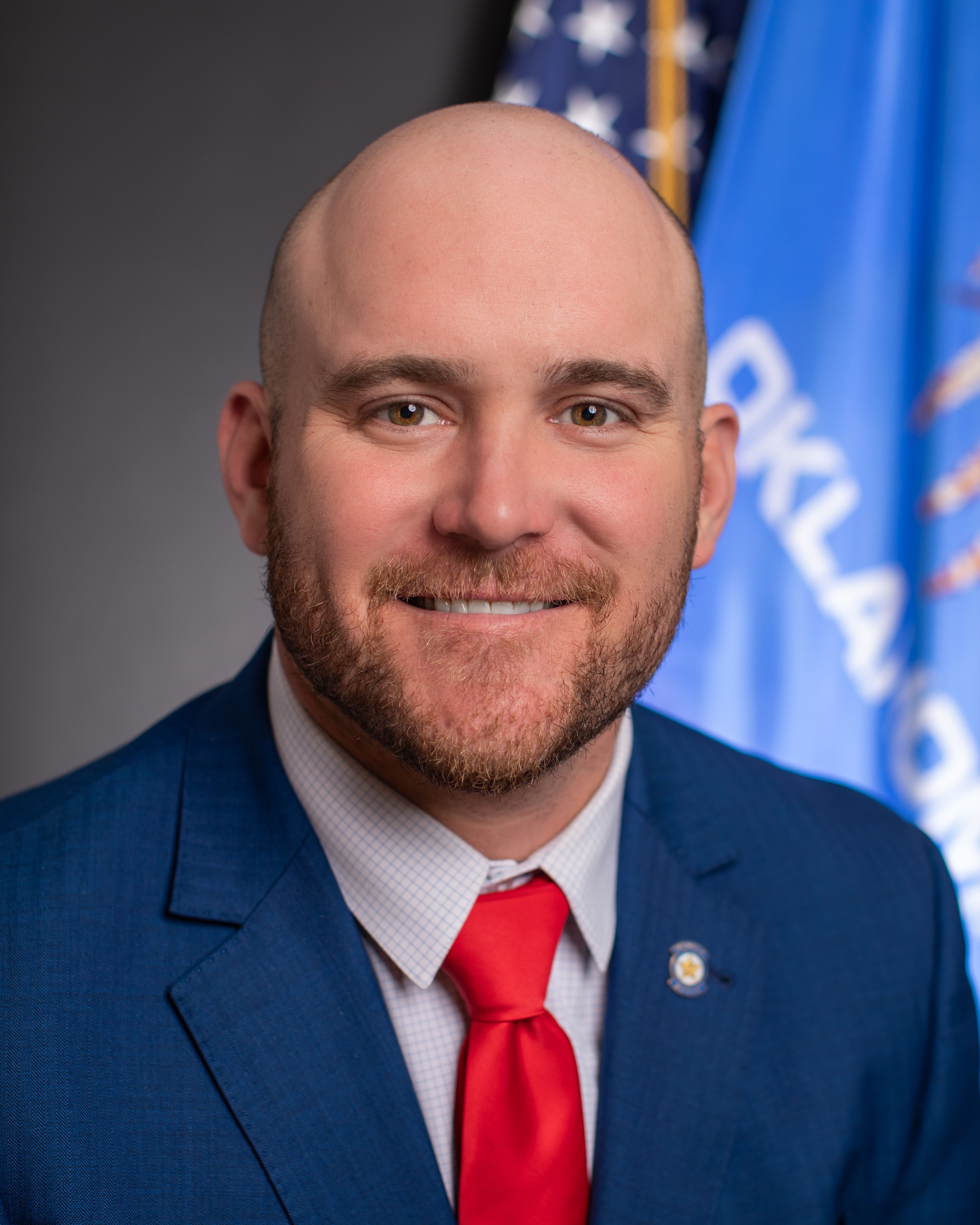
Rep. Trey Caldwell
Sponsored bills
Maddy summaryHB 4003 is a procedural bill that names the "Funding the Future Act of 2026" and sets its effective date as November 1, 2026. It does not establish new funding mechanisms, allocate resources, or affect specific programs or stakeholders. The bill solely provides a title and effective date for future legislative action, with no substantive policy provisions described in the provided text. As a non-codified act, it will not be added to Oklahoma's official statutes.
Maddy summarySB 680 modifies Oklahoma's definition of "cigarette" to explicitly include heated tobacco products, expanding the scope of existing tax regulations. The bill provides a tax exemption for these products and requires the Oklahoma Tax Commission to establish rules for compliance. This directly affects manufacturers, distributors, and retailers of heated tobacco products by changing how they are classified under cigarette tax laws. The bill updates statutory definitions and references to align with this new exemption, ensuring heated tobacco products are treated consistently under the tax code.
Maddy summaryHB 3984 creates the "Oklahoma Talent Attraction and Relocation Program" under the Oklahoma Department of Commerce to award grants for recruiting households relocating to Oklahoma from outside the state. It directly affects cities, towns, counties, and nonprofits (as grant applicants) and households earning at least $55,000 annually who move into Oklahoma. Key provisions include a $250,000 annual grant limit per municipality, requiring applicants to cover 20% of program costs, tying 50% of funds to meeting half the household relocation goal, and mandating detailed reports on program outcomes. The bill establishes a revolving fund to reuse repayments and unused grant money for ongoing administration.
Maddy summarySB 1333 establishes Oklahoma's Water Infrastructure Enhancement Program to modernize the state's aging water systems. It creates a $50 million revolving fund from General Revenue to provide direct grants, low-interest loans, and technical assistance to communities - particularly rural areas through the Rural Economic Action Plan grant program. The bill allocates 50% of funds to a new low-interest loan program, 20% for rural grants, and 10% for outreach and planning. The program becomes effective July 1, 2026, with funds available for infrastructure projects like pipe replacements and treatment upgrades.
Maddy summaryHB 3973 creates a "Southwest Oklahoma Juvenile Center Reestablishment Revolving Fund" in the state treasury to support the Office of Juvenile Affairs (OJA) in restoring the Southwest Oklahoma Juvenile Center in Manitou. The fund allows OJA to use these monies, along with other available funds, to plan, develop, and improve the facility for providing secure care and specialty residential services to Oklahoma youth. It authorizes the Office of Management and Enterprise Services (OMES) to accept properties (like the former facility) offered as gifts or at minimal cost to aid reestablishment. The bill repeals the prior governing section (10A O.S. 2021, Section 2-7-618) and takes effect July 1, 2026.
Maddy summaryHB 3978 creates tax credits for Oklahoma investors who fund "rural funds" that invest in small businesses located in rural areas. It allows investors to claim up to $15 million in annual state tax credits against their liability, provided the rural fund invests at least 100% of the capital in eligible businesses within three years. Eligible businesses must have fewer than 250 employees and operate primarily (60%+ payroll) in counties under 75,000 population or towns under 7,000 residents. The bill defines specific rules for qualifying investments, including restrictions on refinancing prior investments and limits on total funding per business ($6.5 million or 20% of the fund's capital). The tax credit program applies to capital investments certified after the bill's effective date.
Maddy summaryHB 2787 is a procedural bill that names the "Budget and Finance Act of 2025" and sets its effective date as November 1, 2025. It does not establish new financial policies, funding mechanisms, or alter existing budget processes. The bill solely provides a formal title and implementation timeline for Oklahoma's annual budget framework. This act directly affects state budget operations by standardizing its reference in official documents. No specific groups or programs are impacted beyond the administrative naming convention.
Maddy summaryThis bill authorizes an emergency appropriation of approximately $19.66 million to the Oklahoma Department of Mental Health and Substance Abuse Services. The funds must come from the Rate Preservation Fund in the State Treasury and are designated specifically for Title XIX services, which are Medicaid-funded mental health and substance abuse programs. The legislation includes an emergency provision, allowing the funding to take effect immediately upon the governor's approval without waiting for the regular budget cycle. This action provides direct financial resources to the state agency responsible for administering mental health and substance abuse services.
Maddy summarySB 1931 increases the Oklahoma Employment Security Commission's membership from five to eight members, requiring specific representation: two employer representatives (one from counties under 50,000 population, one from larger counties), two employee representatives (one from businesses with <100 employees, one from businesses with >100 employees), a public representative who serves as Chair, and the Oklahoma Workforce Commission CEO. The bill repeals outdated provisions about removal procedures and quorum requirements, and takes effect November 1, 2026. This structural change directly affects how the Commission is composed and appointed, without altering its core functions.