

Maddy summaryThis bill establishes the "Insurance Act of 2025" as the official name for Oklahoma's insurance legislation. It does not change any insurance rules, regulations, or requirements for insurers or consumers. The only substantive provision sets the effective date of the act to November 1, 2025. This is a procedural measure that organizes existing insurance laws under a new title without altering policy.
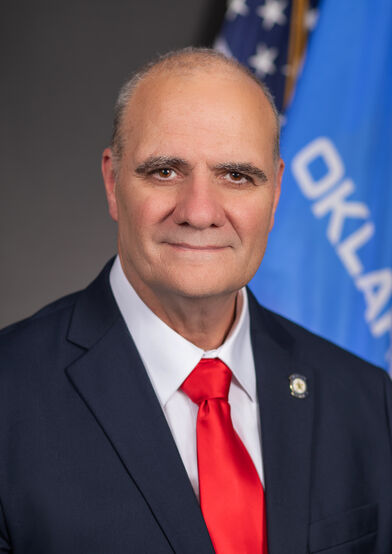
Rep. Daniel Pae
Sponsored bills
Maddy summaryHB 2025 allows Oklahoma counties to post legal notices online instead of publishing them in newspapers, as long as the notices are displayed on a dedicated, easily accessible webpage on the county's public website for the same duration required for newspaper publication. This change directly affects county governments and county officers responsible for publishing legal notices, such as for public meetings, property sales, or government contracts. The bill requires online notices to be placed on a dedicated webpage visible from the county homepage, replacing the previous requirement for weekly newspaper publication. It becomes effective November 1, 2025, streamlining how counties meet statutory notice requirements.
Maddy summaryHB 2022 amends Oklahoma's Open Records Act to clarify what qualifies as a "record" and expand exemptions for personal information. It specifically adds new exemptions in Section 24A.5, including personal financial data (like credit reports), Social Security numbers, driver records, and contact details submitted for licensing, which must now be redacted from public documents. The bill directly affects public bodies (like government agencies and courts) that handle records and citizens requesting documents, by making it clearer when they can deny requests or remove sensitive details. Key changes include defining "public body" more precisely and requiring requesters to provide reasonable specificity to avoid blanket denials. These updates aim to balance public access with privacy protections for individuals.
Maddy summaryHB 2020 modifies Oklahoma's process for voter-initiated measures and referendums. It grants the Governor discretionary authority to call a special election for these proposals instead of requiring them to wait for the next regular general election. The bill also specifies that the Secretary of State must transmit ballot titles to the State Election Board at least 70 days before the next general election. This change directly affects voters who submit initiatives or demand referendums, as it gives the Governor control over election timing. The bill takes effect November 1, 2025.
Maddy summarySB 183 updates Oklahoma's definitions for kratom products under the Kratom Consumer Protection Act. It sets a 3.5% maximum alkaloid limit for raw kratom leaf, requires extracts to have mitragynine as the dominant chemical compound, and bans synthetic kratom compounds while limiting 7-hydroxymitragynine to under 1% in finished products. These changes directly affect businesses selling kratom (vendors), including stores, restaurants, and manufacturers, by establishing clear safety standards for products. The bill takes effect November 1, 2025.
Maddy summarySB 724, the "Expanding Public Sector Career Opportunities Act," prohibits Oklahoma public employers (state, county, and municipal agencies) from rejecting job applicants solely for lacking a postsecondary degree. Instead, employers must set baseline requirements focused on direct work experience or specific certifications, allowing up to 9 years of experience to substitute for a doctoral degree. The bill requires employers to justify degree requirements in job postings and provides applicants a written notice and appeal process to the Office of Management and Enterprise Services if rejected for lacking a degree. It aims to broaden hiring opportunities by reducing unnecessary educational barriers while maintaining role-specific skill requirements. The law takes effect November 1, 2025.
Maddy summaryHB 2031 is a procedural bill that formally names the "Oklahoma Mental Health Reform Act of 2025" and sets its effective date as November 1, 2025. The bill contains no substantive policy changes or new provisions; it solely establishes the act's name and implementation timeline. This bill directly affects Oklahoma's legislative record-keeping but does not alter mental health services, funding, or regulations. The text explicitly states it "shall not be codified" in the Oklahoma Statutes, confirming it has no operational impact. The bill is currently in early committee review (referred to Rules after second reading on February 4, 2025).
Maddy summaryHB 2023 establishes the "Oklahoma Property Tax Payment Policy Act of 2025" to define property tax payment procedures for the state. The policy takes effect on November 1, 2025, and will not be codified in the Oklahoma Statutes. This bill creates a standalone policy framework for property tax payments without amending existing tax laws. It directly affects property taxpayers and local government entities managing tax collections. The legislation focuses solely on defining the policy's scope and effective date, with no additional mechanisms or provisions detailed in the text.
Maddy summaryHB 2022 amends Oklahoma's Open Records Act to clarify what qualifies as a "record" and expand exemptions for sensitive personal information. It specifically allows public agencies to redact or delete Social Security numbers, addresses, driver records, license application details, financial data, and other personally identifiable information from public records. The bill requires requesters to provide "reasonable specificity" for records requests and clarifies when agencies may deny requests. These changes directly affect Oklahoma public bodies (like government offices, schools, and agencies) when processing public records requests and protect individuals whose personal data is submitted to these entities.
Maddy summaryThis bill names the "Oklahoma Mental Health Reform Act of 2025" and sets its effective date as November 1, 2025. It contains no substantive policy provisions or changes to mental health services, funding, or regulations. The bill is purely procedural, creating a name for future legislation without altering existing law. No specific groups or programs are directly affected by this naming and effective date provision.