

Maddy summaryHB 1546 revises Oklahoma's laws concerning land ownership by non-citizens and foreign entities, specifically defining "foreign government adversaries" to include countries like China, Iran, North Korea, and Russia. The bill prohibits these foreign government adversaries, or entities they control, from acquiring title to or owning land in the state. It further restricts "foreign principals" from owning agricultural, forestry, or real property within 200 miles of military installations or critical infrastructure facilities. To enforce these rules, most recorded deeds will require an affidavit attesting to compliance with these ownership restrictions, effective November 1, 2025.
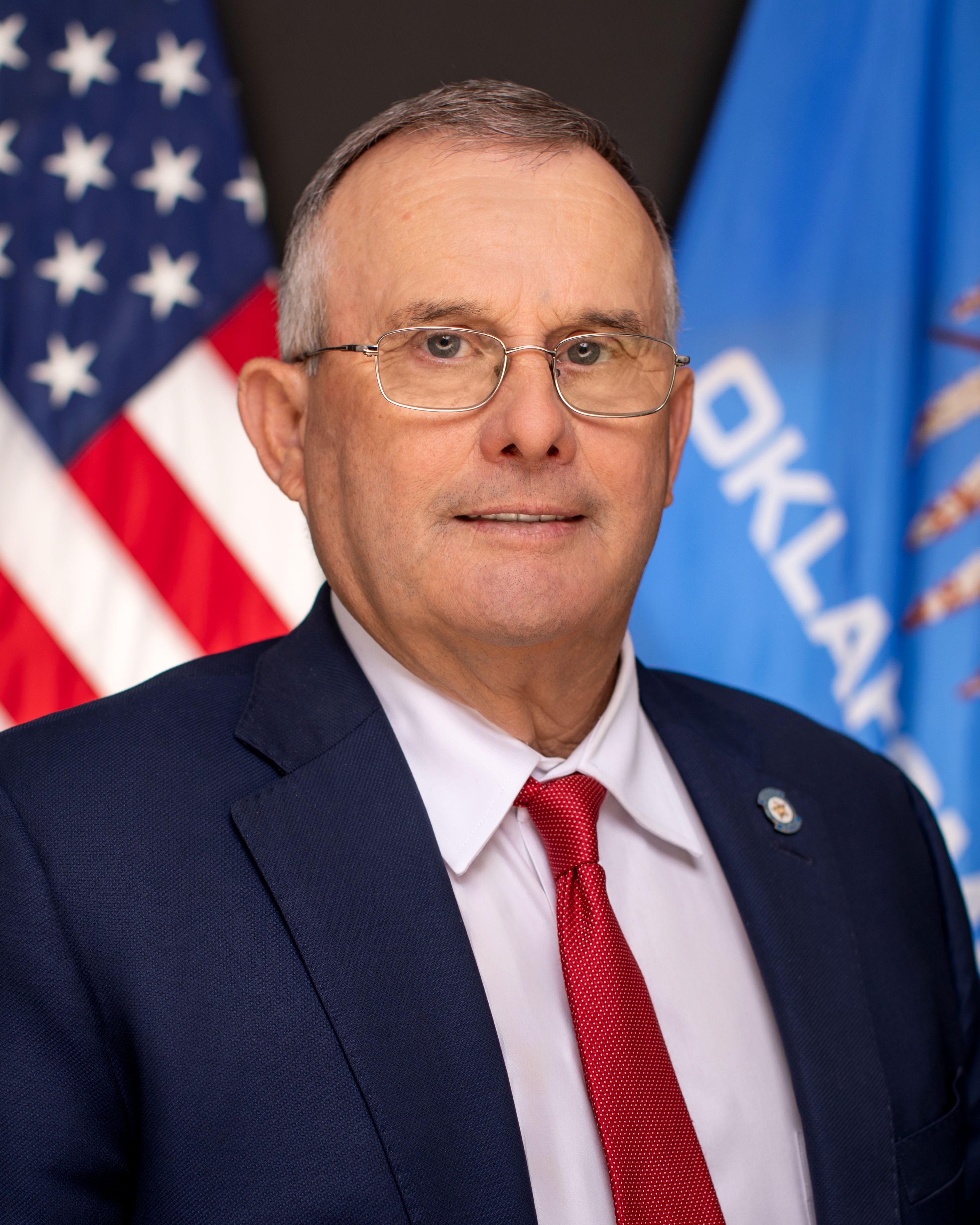
Rep. Kenton Patzkowsky
Sponsored bills
Maddy summaryHB 1540 creates the Oklahoma Workforce Education Partnership Revolving Fund within the State Treasury to support career and technology education programs. The fund, managed by the Oklahoma Department of Career and Technology Education (ODCTE), will use state appropriations, gifts, and donations to expand career tech education based on critical occupation data. It operates as a reusable fund (replenished by incoming revenue) until July 1, 2030, with expenditures requiring state treasurer warrants. The bill directly affects ODCTE's ability to fund workforce training programs, aiming to align education with local job market needs.
Maddy summaryHouse Bill 1540 establishes the Oklahoma Workforce Education Partnership Revolving Fund in the State Treasury. This fund will be managed by the Oklahoma Department of Career and Technology Education to expand career technology education, guided by critical occupation data. It will receive money from legislative appropriations, gifts, donations, and bequests. The fund is designed as a continuing fund, not subject to fiscal year limits, and its provisions are set to expire on July 1, 2030. The bill is slated to become effective on July 1, 2025.
Maddy summaryThis ceremonial resolution (SCR 5) proclaims April 23, 2025, as the 26th Annual Oklahoma 4-H Day at the Capitol. It celebrates youth participants (ages 5-19) and volunteers in Oklahoma's 4-H program, which serves over 180,000 young people annually through hands-on learning in areas like STEM, agriculture, and community service. The resolution recognizes 4-H's role in developing leadership and civic engagement skills, and honors the program's 120-year history of community impact. As a procedural resolution, it does not create new laws or alter existing programs.
Maddy summarySenate Concurrent Resolution 5 proclaims April 23, 2025, as the 26th Annual Oklahoma 4-H Day at the Capitol. This resolution recognizes the contributions of Oklahoma 4-H youth and volunteers, providing an opportunity for them to share their impact with state leaders.
Maddy summaryThis is a ceremonial resolution, not a substantive bill. It declares April 22, 2025, as "Oklahoma Agriculture Day" to recognize and celebrate agriculture's economic impact and heritage. The resolution highlights that agriculture provides nearly 200,000 jobs, contributes over $28 billion to Oklahoma's economy, and supports key industries like wheat, beef, and poultry production. It does not create new laws or affect specific individuals or entities.
Maddy summaryHouse Resolution 1021 declares April 22, 2025, as Oklahoma Agriculture Day at the Capitol. This resolution by the Oklahoma House of Representatives recognizes and celebrates the significant impact of agriculture on the state's heritage and economy.
Maddy summaryHB 1560 establishes the "Oklahoma Agriculture Act of 2025" as a named legislative framework but does not create new agricultural policies or regulations. The bill specifies that it will take effect on November 1, 2025, and clarifies it will not be codified (added) into the Oklahoma Statutes. This is a procedural bill that formally names the act and sets its effective date, with no substantive changes to agricultural laws or direct impact on farmers, businesses, or state programs. The bill’s text does not alter existing agricultural rules or funding mechanisms.
Maddy summaryHB 1560 is a procedural bill that names itself the "Oklahoma Agriculture Act of 2025" and sets an effective date of November 1, 2025. It does not create new laws or policies; instead, it establishes the bill's official title and effective date without being codified into Oklahoma's statutes. The bill directly affects no individuals or entities, as it serves only as a naming convention for the legislative text. This is a standard procedural step common for bills that do not enact substantive changes.
Maddy summaryHB 1545, the "County Fair Modernization Act," requires members of Oklahoma County Free Fair Association Boards of Directors to attend at least 50% of all regular and special meetings over any four consecutive meetings, or they will lose their position. The bill directly affects county fair board members who miss excessive meetings, ensuring active participation in governance. It also recommends a voluntary online training course through Oklahoma State University’s extension office to help board members better serve their roles. The law takes effect November 1, 2025.