

Maddy summaryHB 4475 is a procedural bill that names the "Environment and Natural Resources Efficiency Act of 2026" and sets its effective date as November 1, 2026. It contains no substantive policy provisions or mechanisms, as the provided text only includes the bill's title, citation, and effective date. The bill does not describe specific requirements, funding, or direct impacts on any individuals, organizations, or natural resources. This is a standard naming and timing measure for future legislative reference, not a policy change.
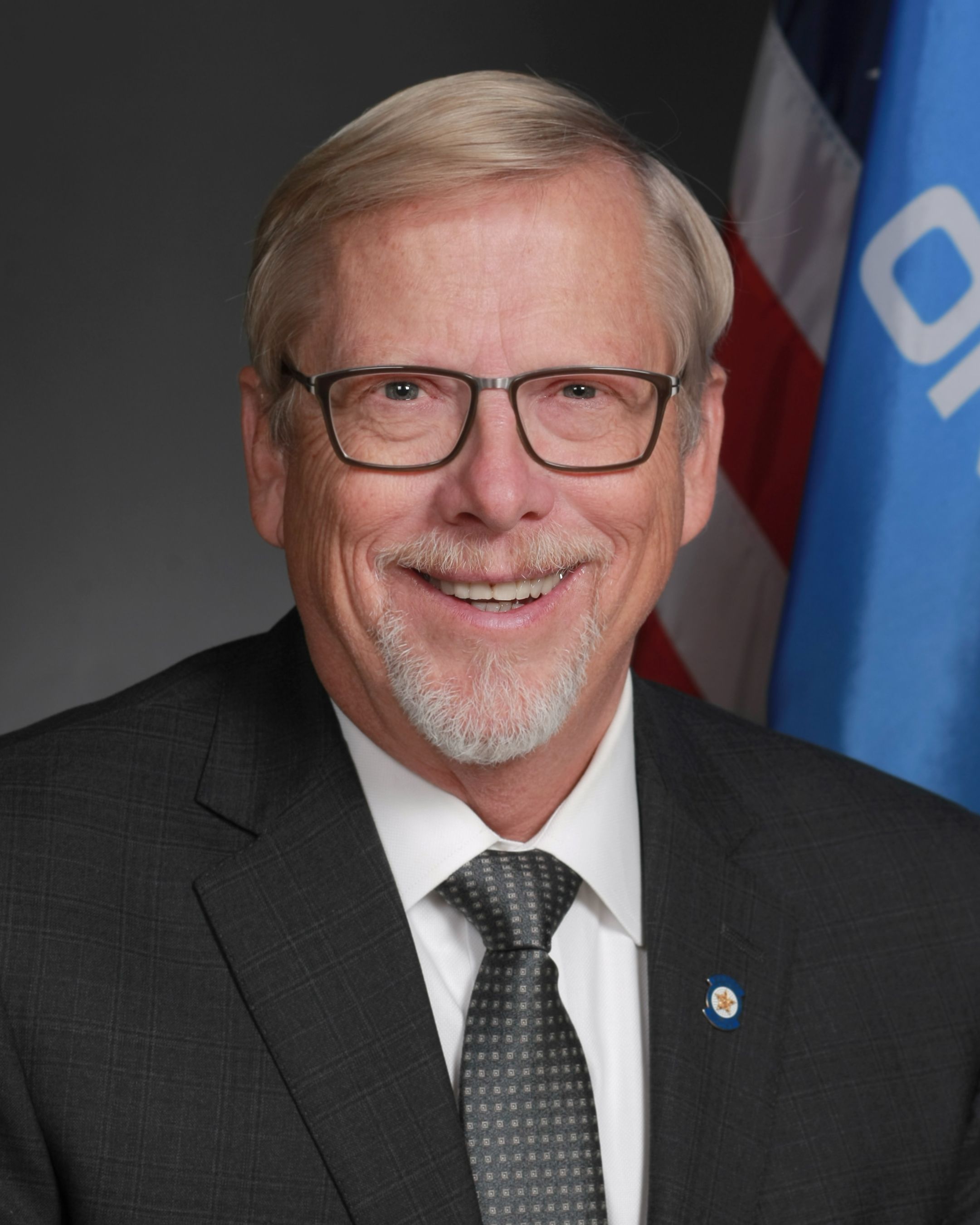
Rep. Carl Newton
Sponsored bills
Maddy summaryHB 4469 is a procedural bill that only establishes the name and effective date for a future health care reform act. It creates the "Oklahoma Health Care Reform Act of 2026" without detailing any specific health care policies or provisions. The bill sets an effective date of November 1, 2026, and has only been introduced (first reading on February 2, 2026) with no substantive content provided in the text. As presented, it does not describe any concrete policy changes or identify who would be directly affected. This appears to be a placeholder bill for future legislation, not a completed proposal with actual reform mechanisms.
Maddy summarySB 1050 amends Oklahoma's Unfair Claims Settlement Practices Act by reducing the time limits for filing certain insurance claims. It shortens the allowable period from 12 months to 6 months for one type of claim and from 18 months to 12 months for another. This directly affects insurance policyholders who must file claims within these tighter deadlines. The bill changes the procedural rules for claim submissions without altering insurance coverage terms. The measure was passed by the legislature with a veto override (77-5) and is now effective.
Maddy summarySB 713 requires new Oklahoma wind energy facilities starting operations after January 1, 2026, to apply for and install FAA- and FCC-compliant light-mitigating technology systems (like aircraft detection lighting) within 24 months of approval. Existing facilities operating before the law must apply when repowering or signing new power offtake agreements. The bill mandates that facility owners/operators cover all installation, operation, and maintenance costs, with public utilities able to seek cost recovery through the Corporation Commission. Counties may issue revenue bonds to help cover these costs for pre-law facilities.
Maddy summaryHB 1808, now law in Oklahoma, reforms health insurance prior authorization and step-therapy rules to improve patient access to medications. It requires insurers to grant exceptions to step-therapy protocols (where patients must try cheaper drugs first) if a medication is contraindicated, ineffective based on medical history, or causes harm - covering specific scenarios like prior adverse reactions or stability on a current treatment. The bill mandates insurers respond to urgent prior authorization requests within 24 hours and non-urgent requests within 2 business days, with requests deemed approved if deadlines are missed. It also ensures continuity of coverage for stable treatments when switching plans (90-day protection) and requires insurers to cover at least one readily available asthma controller medication per class without prior authorization.
Maddy summarySB 146 expands mental wellness services provided by Oklahoma's Department of Public Safety to include retirees of public safety personnel (such as police and firefighters), in addition to current employees. It creates a dedicated revolving fund (Section 9102) to finance these services and strengthens privacy protections by prohibiting the sharing of individual mental health data without consent, while allowing aggregate data use for policy improvements (Section 9101). The bill also mandates that all Mental Wellness Division resources operate separately from other department divisions. These changes took effect November 1, 2025, after becoming law without the Governor's signature on May 29, 2025.
Maddy summaryHB 1808 limits insurers' use of step-therapy protocols by preventing multiple failed attempts on the same medication and requiring exceptions for medical reasons (e.g., contraindications, prior adverse reactions, or treatment stability). It mandates strict response timelines for prior authorizations: 24 hours for urgent requests and 2 business days for non-urgent requests, with automatic approval if deadlines are missed. The law also requires insurers to cover at least one asthma controller medication per class without prior authorization and extends prior authorization approval validity to the full treatment duration or one year. These changes directly affect Oklahoma patients, doctors, and insurers managing prescription drug coverage.
Maddy summarySB 1050 amends Oklahoma's Unfair Claims Settlement Practices Act by reducing the time limits for filing certain insurance claims. It shortens the deadline from 12 months to 6 months for some claims and from 18 months to 12 months for others. The bill directly affects policyholders who file claims against insurance companies, requiring them to submit claims within these shorter timeframes. This change modifies the statutory deadlines without altering the underlying claim settlement standards. The bill was passed by the Oklahoma Senate on May 29, 2025, and is now effective.
Maddy summarySB 146 expands eligibility for mental wellness services provided through the Department of Public Safety's Mental Wellness Division. The bill changes who can access these services, though specific new eligibility groups aren't detailed in the provided context. It became law on May 29, 2025, without requiring the Governor's signature. This policy change directly affects individuals seeking mental health support through this specific state division.
Maddy summarySB 713 requires new wind energy facilities in Oklahoma to apply for FAA- and FCC-approved light-mitigating technology systems (like aircraft detection lighting) before operations begin on or after January 1, 2026. Existing facilities without such systems must apply during repowering or when entering a new power offtake agreement, with installation required within 24 months of approval. Costs for installation, operation, and maintenance are the responsibility of facility owners/operators, though public utilities may seek rate recovery for these costs through the Corporation Commission. The bill also allows counties to issue revenue bonds to help cover these costs for pre-2026 facilities.