

Maddy summaryHB 2026 expands Oklahoma's existing Aircraft Engine Testing Development Grant Program to fund additional aeronautics technology projects. The bill directly affects Oklahoma-based companies and research entities developing aircraft engine testing capabilities by providing state grant funding. Key provisions include broadening the program's eligible activities beyond current scope to support new engine testing development initiatives. The bill takes effect immediately upon approval with an emergency designation, as approved by the Oklahoma House on March 5, 2025.
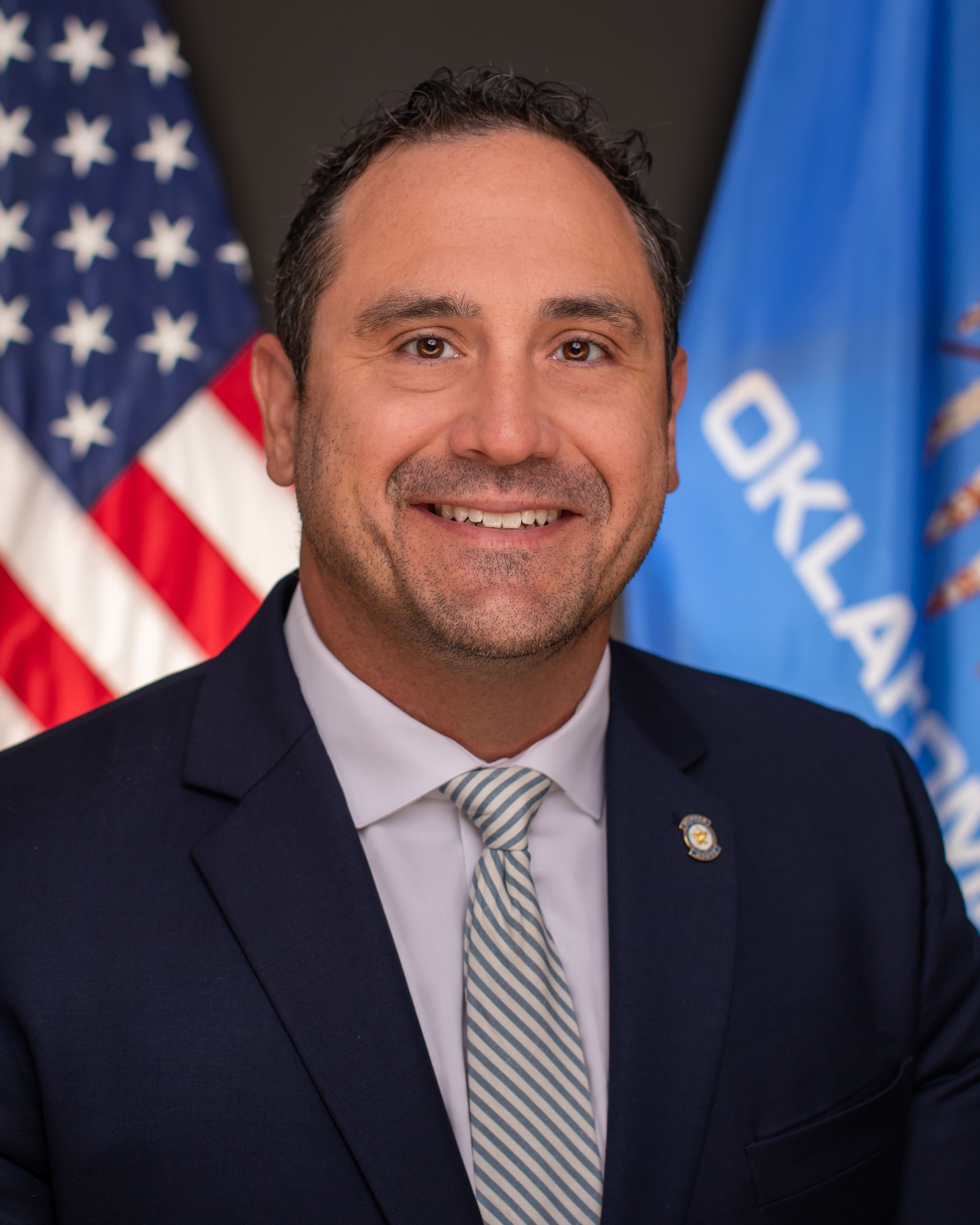
Rep. Nick Archer
Sponsored bills
Maddy summaryHB 2024, the Oklahoma Space Renaissance Act, allocates $51.3 million in state funds to support Oklahoma's space industry development. It provides $1.3 million for the Oklahoma Space Industry Development Authority's operations, $35 million for infrastructure at the Oklahoma Air and Space Port to enable spacecraft testing and launches, and $15 million for a microgravity research consortium in Oklahoma City focused on commercializing science and STEM education. These funds, drawn from the General Revenue Fund for the 2025-2026 fiscal year, directly support space industry growth, research partnerships, and STEM programs. The bill takes effect July 1, 2025, and is designated as an emergency measure.
Maddy summaryHB 2026 expands an existing Oklahoma grant program to specifically fund aircraft engine testing development projects. The bill directly affects aerospace companies, research institutions, and manufacturers seeking state funding for advanced engine testing facilities or technology. Key provisions allow the Oklahoma Aeronautics Commission to award grants for projects that develop or improve aircraft engine testing capabilities, with the program becoming effective immediately under an emergency designation. The change modifies the program's purpose without altering eligibility rules or funding amounts.
Maddy summaryHB 2028 would amend Oklahoma's sales tax code to exempt gun safes, firearm ammunition, and firearms from state sales tax. This change would directly affect consumers purchasing these items, as they would no longer pay the standard 4.5% state sales tax on these specific products. The bill achieves this by adding explicit language to Section 1357 of the Oklahoma Statutes, listing these items as tax-exempt under the "Exemptions - General" section. The bill is currently in committee review after its first reading in February 2025.
Maddy summaryHB 2028 creates a sales tax exemption for gun safes, firearm ammunition, and firearms in Oklahoma. This bill amends Oklahoma's tax code to add these items to the list of exempt purchases, meaning buyers will not pay state sales tax when purchasing them. The exemption directly affects firearm retailers and consumers purchasing these specific items. The bill does not change firearm safety regulations or impose new requirements; it only modifies tax treatment for these products.
Maddy summarySB 863 modifies Oklahoma's Self-Defense Act by changing registration requirements for firearms instructors. It allows instructors to choose a $100 five-year or $200 ten-year registration fee with the Oklahoma State Bureau of Investigation, instead of annual renewals. Active and retired law enforcement officers with valid CLEET instructor approval receive automatic registration renewal with no additional fees. The bill also updates training standards, including allowing approved online safety courses and requiring CLEET to certify both instructors and courses. These changes directly affect firearms instructors seeking to teach handgun license applicants.
Maddy summarySB 863 modifies Oklahoma's handgun licensing process by changing requirements for firearms instructors. It requires instructors to obtain CLEET approval (including specific training and fees) and register with the Oklahoma State Bureau of Investigation (OSBI), with options for $100 (5-year) or $200 (10-year) registration fees. The bill removes requirements for applicants to list firearms on forms and for replacement licenses when adding firearms to an existing permit. Active and retired law enforcement officers with valid CLEET approval are exempt from OSBI registration renewal fees. This directly affects firearms instructors, handgun license applicants, and the CLEET and OSBI agencies managing these processes.
Maddy summarySB 119 creates an investment rebate program for Oklahoma businesses making significant capital investments in specific energy sectors. It directly affects companies refining/manufacturing hydrogen (blue/green), generating emission-free power, or producing cleaner fuels, requiring them to commit to at least $750 million in qualified capital expenditures with $150 million already spent. Eligible businesses receive rebates equal to 6.67% of qualifying investments, paid from the newly created Commerce Energy Manufacturing Activity Development Fund, which is initially funded with $50 million. The program expires on July 1, 2031, with unspent funds transferring to the General Revenue Fund.
Maddy summarySB 1082 requires Oklahoma's Department of Agriculture to provide an online platform for license renewals by January 1, 2026, for commercial pet breeders and animal shelters. It extends the notice period for license expiration from 60 to 90 days before the deadline and clarifies that renewal applications must use the Department's prescribed form. This bill directly affects licensed commercial breeders and animal shelters by changing how they renew their licenses, making the process more structured through an online system. The law takes effect on November 1, 2025, with the online platform requirement set for 2026.
Maddy summarySB 1082 requires Oklahoma's Department of Agriculture to create an online platform for license renewals by January 1, 2026, for commercial pet breeders and animal shelters. It extends the notice period for license expiration from 60 to 90 days before the deadline, ensuring operators receive written renewal reminders. The bill modifies existing renewal procedures to mandate online submissions and payments through the new platform, while maintaining current requirements for applications, compliance, and fees. This administrative change affects all licensed commercial breeders and animal shelters in Oklahoma, effective November 1, 2025.