

Maddy summaryHB 2030 establishes new, age-based foster care maintenance payment rates for resource parents in Oklahoma. It sets daily and monthly rates ranging from $22.72/day ($681.60/month) for children aged 0-5 up to $27.62/day ($828.60/month) for youth aged 13 and older. The bill requires the Department of Human Services Director to annually review these rates under federal guidelines and potentially increase payments beyond the specified amounts. The changes take effect November 1, 2025, directly affecting foster parents caring for children in state custody.
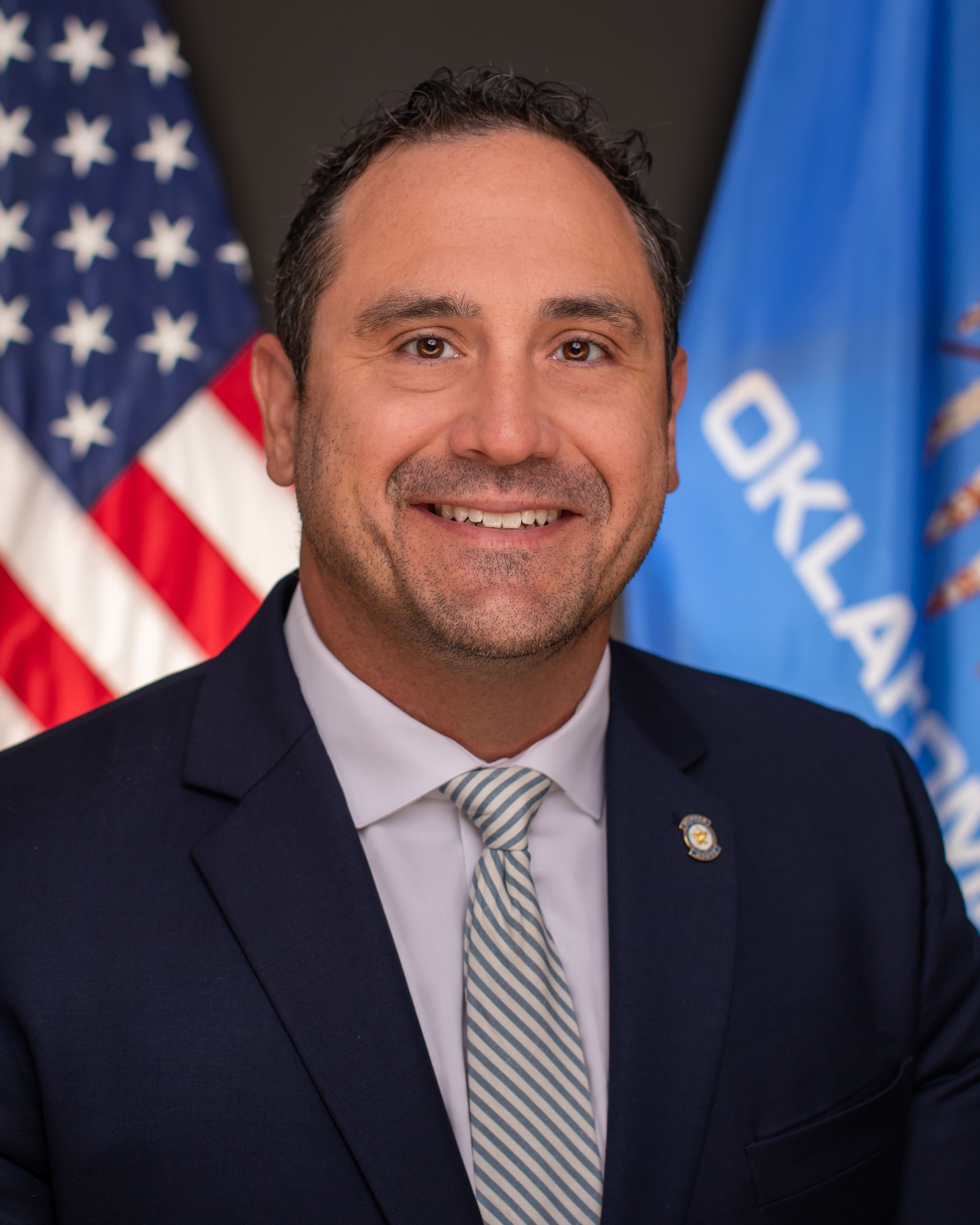
Rep. Nick Archer
Sponsored bills
Maddy summaryHB 2043 amends Oklahoma's Energy Discrimination Elimination Act of 2022. The bill narrows the scope of the act, applying its provisions only to state agencies, rather than all governmental entities including political subdivisions. Under the amended act, state agencies cannot enter into contracts worth $100,000 or more with companies that boycott energy companies or with certain listed financial companies. Exceptions apply if these requirements conflict with an agency's financial duties or if necessary supplies or services are not reasonably available from other companies.
Maddy summaryHouse Bill 2030 establishes new minimum daily and monthly foster care maintenance payment amounts for traditional foster parents in Oklahoma. These payment rates are set based on the age of the child, with specific tiers for children aged 0-5, 6-12, and 13 years or older. The bill also directs the Director of the Department of Human Services to review these foster care payment rates annually to ensure their appropriateness. Furthermore, the Director is authorized to approve foster care maintenance payments that exceed the specified minimum amounts.
Maddy summaryHB 2312 prohibits operating drones below 400 feet over designated critical infrastructure facilities, including refineries, power plants, water treatment centers, pipelines, and telecom towers. It directly affects drone operators, requiring prior authorization from facility owners or operators to fly in these areas. Key provisions ban unauthorized low-altitude drone flights, contact with facilities, or interference with operations, with exceptions for government entities, facility owners, law enforcement, and FAA-authorized commercial operators. The bill takes effect November 1, 2025.
Maddy summaryThis bill modifies Oklahoma's alcohol licensing rules by changing ownership thresholds for businesses applying to the ABLE Commission. It replaces "more than 15%" with "15% or more" in restrictions on shared ownership between alcohol manufacturers, wholesalers, and retailers - banning common ownership across these tiers unless permitted by the Oklahoma Constitution. The changes specifically apply to license application requirements and directly affect alcohol businesses seeking to operate in Oklahoma's three-tier system. The bill does not alter existing constitutional exceptions or other licensing procedures.
Maddy summaryHB 2312 prohibits operating drones below 400 feet over critical infrastructure facilities like refineries, power plants, water treatment centers, and pipeline systems that have physical barriers or clear "no entry" signage. It bans drone contact with these facilities or interference with their operations, affecting most drone operators near such sites. Key exemptions include government entities, law enforcement, facility owners, and FAA-authorized commercial drone operators. The law takes effect November 1, 2025, and violations could result in civil liability for damages.
Maddy summarySB 531 modifies Oklahoma's alcohol licensing rules by prohibiting common ownership between manufacturing, wholesaling, and retailing alcohol businesses, unless permitted under the Oklahoma Constitution. It directly affects alcohol industry license holders who operate in multiple tiers of the supply chain. The bill clarifies that this ownership restriction applies specifically to applications submitted to the ABLE Commission. Key provisions adjust percentage thresholds (changing "more than 15%" to "15% or more") in licensing requirements but center on preventing consolidated ownership across industry tiers. The bill does not change licensing fees or existing constitutional exceptions.
Maddy summarySB 717 adjusts the boundaries of the Capitol-Medical Center Improvement and Zoning District in the city. It modifies zoning authority to clarify how land within this specific district can be developed or used. The bill directly affects property owners, developers, and local planning decisions in the Capitol-Medical Center area. This is a procedural zoning adjustment, not a funding or policy change.
Maddy summarySB 717 modifies the boundaries and zoning authority for the Capitol-Medical Center Improvement and Zoning District. It directly affects property owners, developers, and local businesses within this designated area by adjusting permitted land uses and development rules. The bill’s key provision adjusts geographic boundaries of the district and clarifies the zoning authority’s jurisdiction over specific parcels. This is a procedural zoning adjustment, not a substantive policy change affecting broader public programs or funding. (2 sentences, as it is a procedural zoning bill)
Maddy summaryHB 2024, the Oklahoma Space Renaissance Act, allocates $51.3 million in state funds to support Oklahoma's space industry development. The bill directs $35 million for infrastructure at the Oklahoma Air and Space Port to enable spacecraft testing and launches, and $15 million for a microgravity research consortium focused on commercial science projects in Oklahoma City. It also provides $1.3 million for the Oklahoma Space Industry Development Authority to carry out its duties. The funding is intended for fiscal year 2026, with the bill effective July 1, 2025.