

Maddy summaryHB 2091 creates a refundable income tax credit for Oklahoma renters. It allows individuals to claim up to $110 for rent paid in 2026 for their primary residence, with future amounts adjusted annually for inflation using the Consumer Price Index. The credit requires filers to submit landlord details and rent amounts via a new tax form. This directly affects Oklahoma residents who pay rent for their primary home and owe state income tax. The credit becomes effective November 1, 2025.
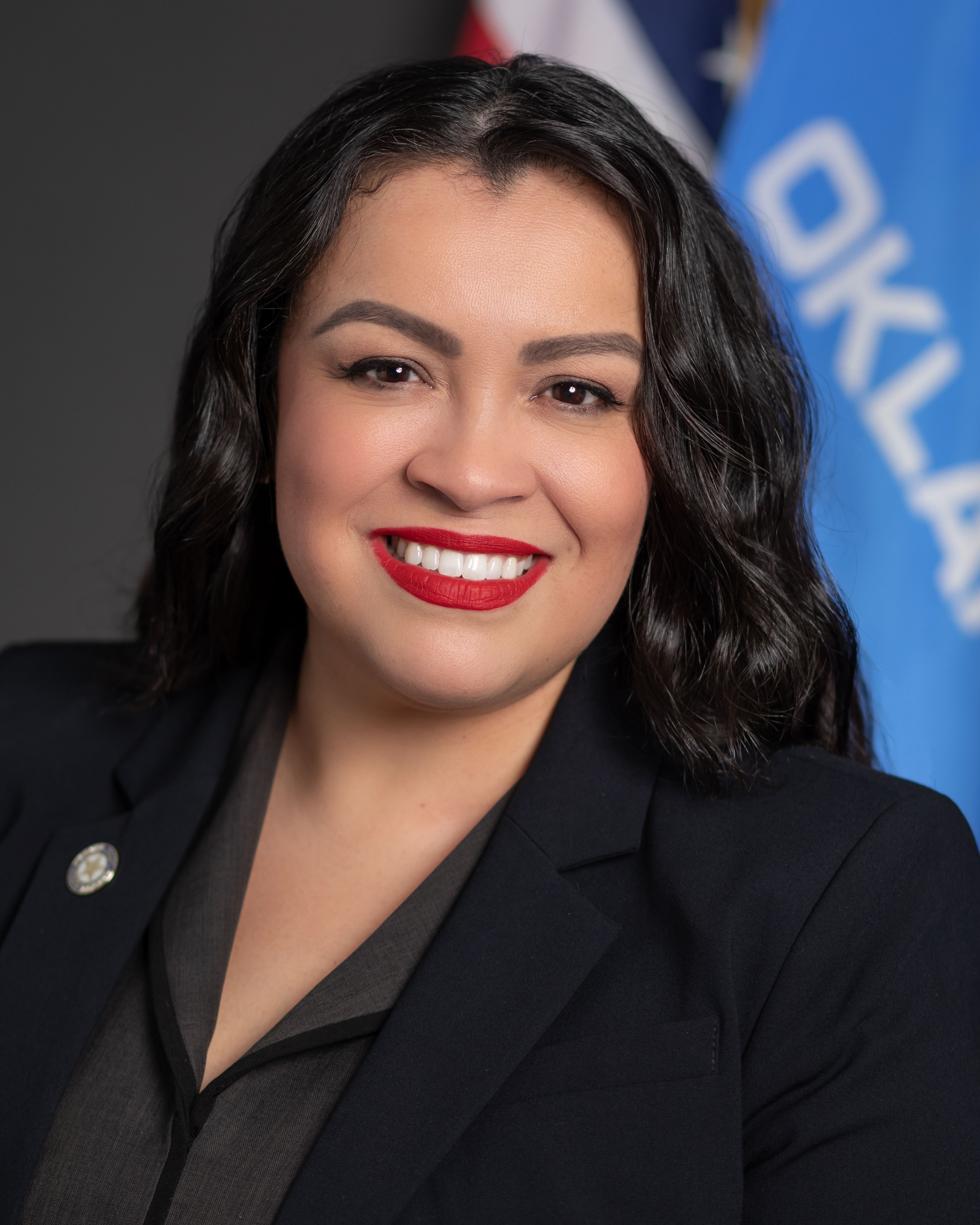
Rep. Annie Menz
Sponsored bills
Maddy summaryHB 2098 amends Oklahoma's court fee structure by establishing specific flat fees for various case types, including $100 for forcible entry and detainer cases (eviction proceedings). The bill creates new funding streams by adding $6 to the Law Library Fund, $25 to the Oklahoma Court Information System, $5 to court-appointed child advocacy (CASA), and $2 to funds supporting court interpreters and judicial oversight. It also allows counties to add up to $10 per case for courthouse security and includes a process for fee exemptions based on financial hardship (in forma pauperis). The changes take effect November 1, 2025.
Maddy summaryHB 2090 requires the Oklahoma State Auditor and Inspector to conduct a special audit of the Oklahoma Turnpike Authority by December 1, 2023. The audit must assess revenue needs for converting turnpikes to toll-free roads, evaluate agency risks, review financial projections for maintenance reserves, explain reserve fund shortfalls, and analyze cost overruns from the Driving Forward Program. The resulting report must be submitted to the Governor, legislative leaders, and transportation committees. This bill directly affects the Oklahoma Turnpike Authority's financial oversight and reporting.
Maddy summaryHB 2092 requires Oklahoma public, charter, and private schools meeting specific poverty thresholds to participate in the federal Community Eligibility Provision (CEP) for school meals. Schools with at least 25% "identified students" (children in programs like SNAP, TANF, or homeless programs) must join CEP, which provides free meals to all students without individual applications. School districts must group schools to maximize eligibility, though schools already offering universal free meals are exempt. The law takes effect July 1, 2025, aligning Oklahoma with the federal Healthy, Hunger-Free Kids Act of 2010.
Maddy summaryHB 2093 establishes a $3.15 billion maximum debt ceiling for the Oklahoma Turnpike Authority's revenue bonds, limiting total outstanding bonds to this amount. The bill modifies existing law to set this specific cap, replacing previous debt limits while allowing the Authority to issue bonds for turnpike projects under the same existing rules. It does not create new projects or change bond issuance procedures beyond the new debt ceiling. The Authority remains authorized to use bond proceeds solely for turnpike project costs within this $3.15 billion limit.
Maddy summaryHB 2102 creates a 100% state tax credit for married Oklahoma taxpayers who pay for couples counseling services, defined as relationship-focused therapy provided by licensed therapists, doctors, or religious leaders. The credit applies to costs incurred for counseling during taxable years beginning January 1, 2026, and reduces income tax liability but cannot lower it below zero. This policy directly affects legally married individuals in Oklahoma who seek counseling services, offering a financial incentive for such expenses. The credit is limited to the amount of state income tax owed and takes effect on January 1, 2026.
Maddy summaryHB 2097 requires the Oklahoma Turnpike Authority (OTA) to obtain legislative approval before raising toll rates on any state turnpike. The bill amends existing law to mandate that the Oklahoma Legislature must approve toll increases through a joint resolution, removing the OTA's prior authority to adjust rates independently. This change directly affects the OTA’s operational control and Oklahoma drivers who use turnpikes, as future toll adjustments would require formal legislative action. The bill takes effect November 1, 2025, with no current toll increases impacted.
Maddy summaryHB 2101 designates June 12 of each year as "Oklahoma Women Veterans History Day" in the state of Oklahoma. The bill requests all citizens to observe this day by honoring women who served in the U.S. Armed Forces. It codifies this designation in Oklahoma Statutes (Title 25, Section 90.30) and declares an emergency to take effect immediately upon approval. The measure is purely symbolic, with no new funding or policy changes, and directly affects all Oklahoma residents through this annual observance.
Maddy summaryHB 2099 creates the Oklahoma Affordable Housing Commission to address housing needs for low- and moderate-income Oklahomans, defined by HUD income categories (e.g., "extremely low income" = ≤30% area median income). The bill establishes a dedicated state revolving fund in the Treasury, administered by the Commission, to finance housing initiatives. Key provisions require the Commission to develop annual plans, conduct housing needs assessments, and seek legislative approval for rules before spending funds - starting no earlier than July 1, 2025. The Commission’s 16-member structure includes legislative leaders, tribal housing representatives, community organizations, and housing agencies to guide funding toward affordable housing solutions.
Maddy summaryHB 2097 requires the Oklahoma Turnpike Authority to obtain legislative approval via joint resolution before raising toll rates on state turnpikes. This bill directly affects turnpike users (drivers paying tolls) and the Oklahoma Turnpike Authority, which must now seek permission from the legislature for any toll increases. The key provision amends state law to replace the Authority's existing power to revise tolls with a mandatory legislative approval process. The bill takes effect November 1, 2025, and does not change current toll-setting authority for maintenance or operational costs.