

Maddy summaryHB 2095 amends Oklahoma's Open Records Act to clarify response procedures and fees for public records requests. It requires public bodies to provide records within 30 days (as implied by the title, though not explicitly stated in the provided text), expands exemptions for sensitive information like Social Security numbers and driver records, and caps copying fees at $0.25 per page for standard documents or $1.00 for certified copies. The bill also prohibits search fees when records are released for public interest purposes (e.g., to media, scholars, or taxpayers) and specifies that certain confidential data - such as personal financial information or license application details - must remain redacted. This directly affects all Oklahoma public bodies (like government agencies and local offices) and anyone requesting public records.
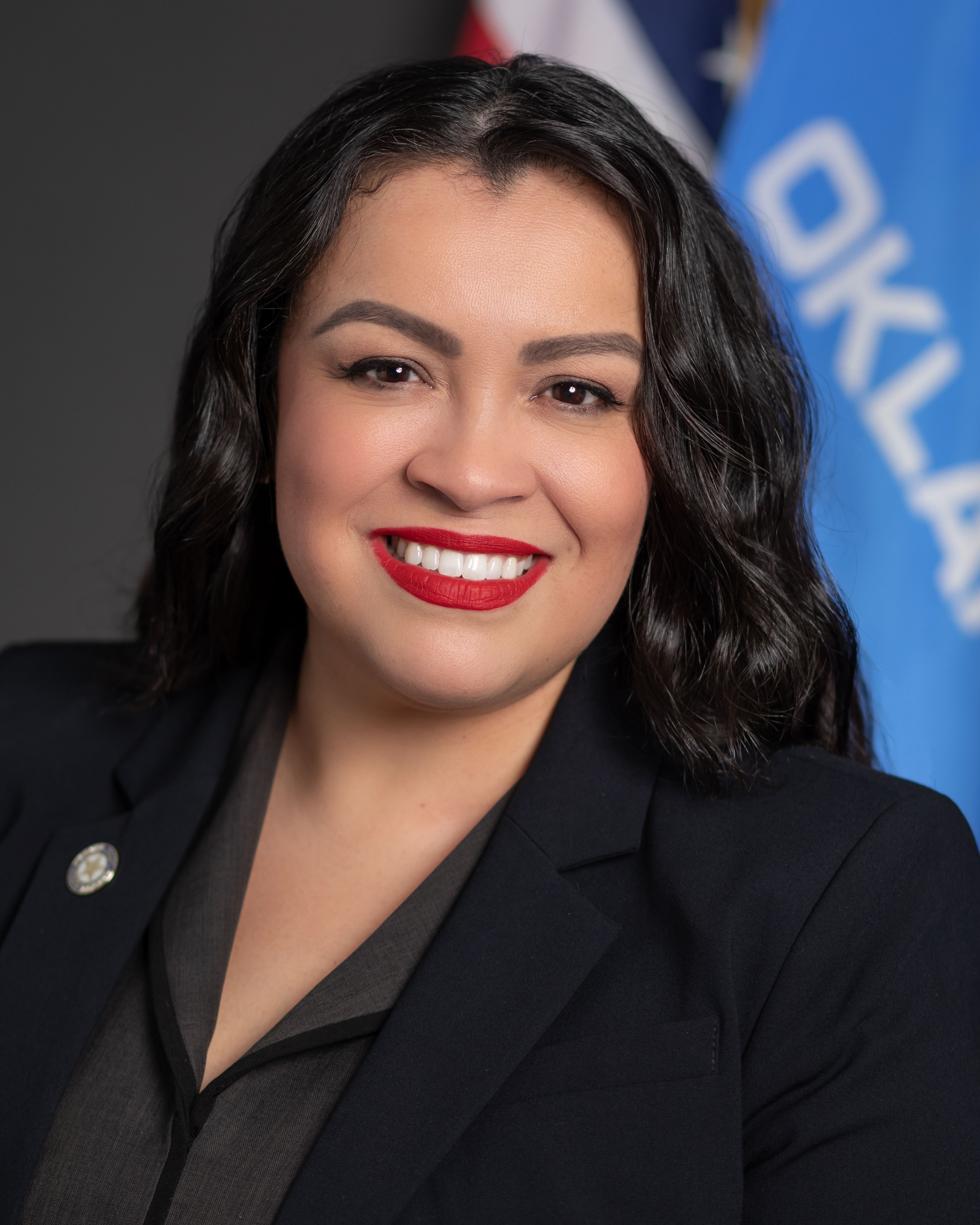
Rep. Annie Menz
Sponsored bills
Maddy summaryHouse Bill 2095 amends the Oklahoma Open Records Act, which governs public access to records held by government bodies and officials. The bill specifies various types of information that are exempt from public disclosure, including certain confidential investigative files, personal financial data, and records protected by legal privilege. It also sets guidelines for redacting sensitive personal information, such as Social Security numbers, before records are released. Additionally, the bill establishes limits on the fees public bodies can charge for copying records, capping standard copies at $0.25 per page and outlining when search fees may be applied. Although the bill's title mentions a thirty-day records request response time, the provided text does not detail this specific procedural change.
Maddy summaryHB 2096 creates a state wildlife habitat program allowing private landowners to enter contracts with Oklahoma’s Wildlife Conservation Department for habitat development projects. Landowners must cover all project costs, and their enrolled land is protected from government seizure (eminent domain) during the contract term and for five years after completion. Landowners may cancel contracts at any time but must repay all state funds used for habitat improvements before cancellation. The program explicitly states the state bears no liability for damages, and the Department may charge participation fees.
Maddy summaryHB 2096 establishes a voluntary program allowing Oklahoma landowners to enter contracts with the Department of Wildlife Conservation to develop wildlife habitats on private property. Landowners must cover all project costs, and enrolled lands become exempt from eminent domain during the contract term plus an additional five years. Landowners may cancel contracts at any time but must repay the state for habitat improvements made before cancellation. The Department may also charge a fee for program participation.
Maddy summaryHB 2100 exempts private lands enrolled in Oklahoma's Conservation Commission Cost-Share Program from eminent domain takings. This directly protects landowners participating in the program, which provides financial assistance for conservation practices like soil health and habitat restoration. The exemption applies unless a project is deemed essential for public health or safety. The law aims to secure long-term conservation efforts on private lands by preventing government seizure for non-essential projects.
Maddy summaryHB 2094 creates a $250 tax credit for eligible small businesses in Oklahoma that use western redcedar trees as part of their storefront construction or design. The credit applies to taxable years beginning January 1, 2026, and is available to businesses defined as "small" under Oklahoma law (Title 75, Section 502). The credit cannot reduce a business's income tax liability below zero. This bill directly affects small businesses constructing or redesigning storefronts with western redcedar material, offering a limited tax incentive for this specific building practice.
Maddy summaryHB 2094 creates a $250 annual tax credit for small businesses (defined as those meeting Oklahoma's small business criteria under Title 75) that use western redcedar trees for storefront construction or facade design. The credit applies to taxable years beginning January 1, 2026, and reduces income tax liability but cannot lower it below zero. It directly affects eligible small businesses that choose western redcedar as a material for their storefront exterior. The bill takes effect January 1, 2026, and is currently pending in the Appropriations and Budget Finance Subcommittee.
Maddy summaryHB 2091 creates a refundable state income tax credit for Oklahoma residents who pay rent for their primary residence. Starting in 2026, eligible taxpayers can claim up to $110 annually, with future credit amounts adjusted yearly based on inflation measured by the Consumer Price Index. To claim the credit, individuals must provide their landlord's name, rental address, and annual rent paid on a form required by the Oklahoma Tax Commission. The credit applies to all qualifying renters, not just low-income households, and becomes effective November 1, 2025.
Maddy summaryHB 2090 requires the State Auditor and Inspector to conduct a special audit of the Oklahoma Turnpike Authority (OTA) by December 1, 2023. The audit must specifically assess OTA's revenue needs for repaying turnpike costs, risk management, 15-year financial projections for maintenance funds, reserve fund shortfalls, and cost overruns on the "Driving Forward Program." This bill directly affects the OTA, mandating a comprehensive financial review to determine timelines for converting turnpikes to toll-free roads and identifying financial gaps. The State Auditor must submit a written report to the Governor, legislative leaders, and transportation committees. The bill takes effect November 1, 2025, and is designated as an emergency measure.
Maddy summaryHB 2098 amends Oklahoma's court fee structure for district court filings, setting specific flat fees for various case types. It directly affects individuals and entities filing court cases, including those involving forcible entry and detainer (set at $100), and establishes new funding streams: $6 for the Law Library Fund, $25 for the Court Information System, $5 for court-appointed advocates (OCASA), and $2 split between judicial complaints and interpreter services. The bill also allows counties to add up to $10 per case for courthouse security and includes a fee waiver process for indigent litigants who prove poverty through an affidavit. It takes effect November 1, 2025.