

Maddy summaryHB 1985 eliminates straight-party voting in Oklahoma elections, requiring voters to individually select candidates instead of marking one choice to select a party's entire candidate slate. This change affects all voters in Oklahoma general and primary elections, removing the option to vote for all candidates of a single party with a single mark. The bill amends election code sections to clarify that party marks only count for candidates of that party if no specific candidate names are marked, and ballots with multiple party marks will not count for party offices. The law takes effect November 1, 2025.
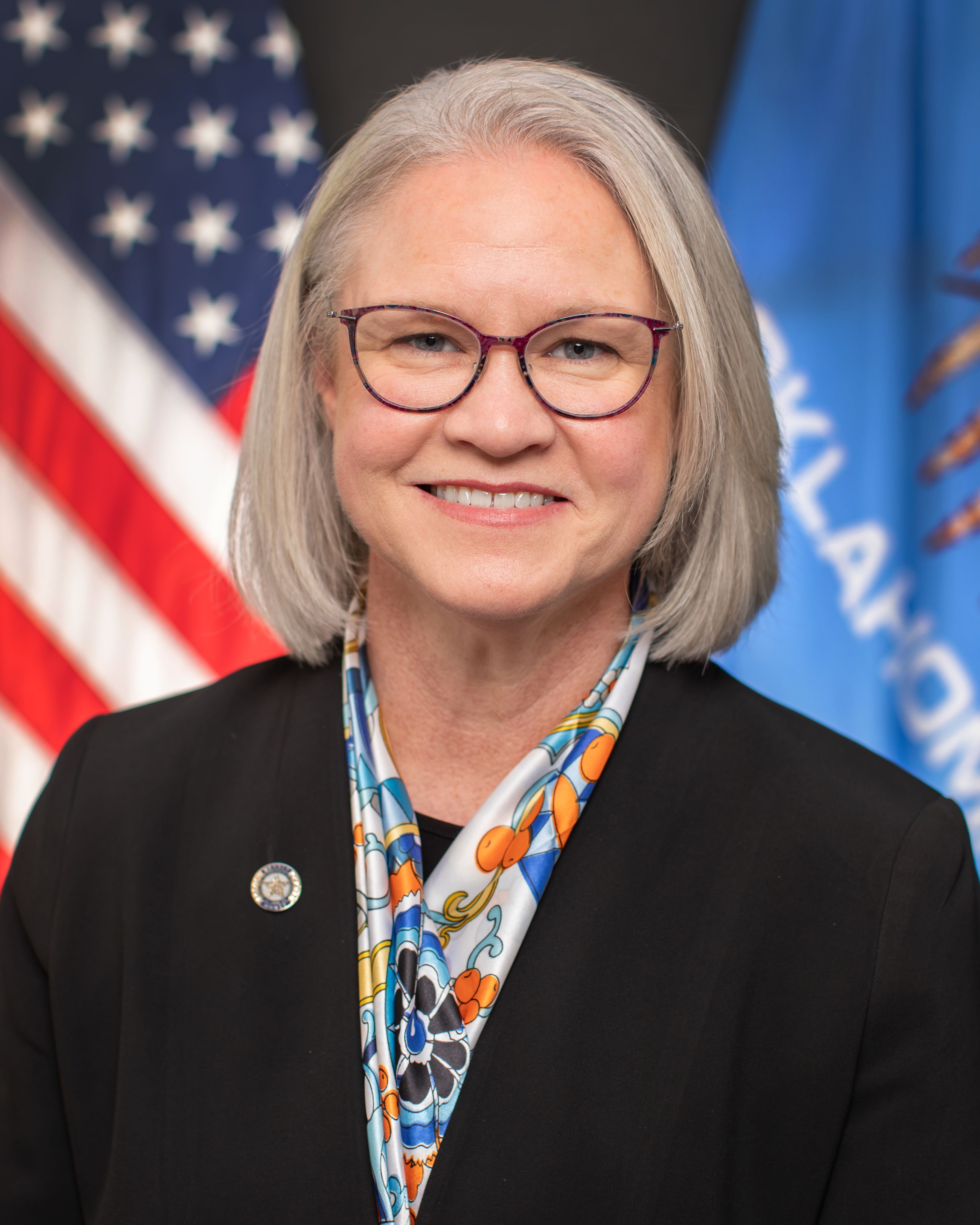
Rep. Trish Ranson
Sponsored bills
Maddy summaryHB 1988 expands Oklahoma's Medicaid program to cover adults aged 19 to 64 with household incomes at or below 160% of the federal poverty level. This change directly affects low-income working adults and families who previously did not qualify for Medicaid under Oklahoma's current eligibility rules. The Oklahoma Health Care Authority must implement this expanded coverage starting November 1, 2025. The bill modifies eligibility criteria to include this income group without altering existing Medicaid benefits or funding mechanisms.
Maddy summaryHB 1984 requires vehicles with remote access features (like location tracking or control apps) to alert occupants when someone outside the vehicle accesses these functions. It mandates that vehicle manufacturers provide a clear, visible website link titled "HOW TO DISCONNECT REMOTE VEHICLE ACCESS" to help survivors terminate abusers' remote access and obtain new accounts. The law applies to personal vehicles but excludes rental cars, and it protects manufacturers from liability for following these requirements. This bill directly affects domestic violence survivors who share vehicle access with abusers and vehicle manufacturers providing connected services.
Maddy summaryHB 1987 creates Oklahoma's "Extreme Risk Protective Order Act," establishing a legal process for courts to issue orders restricting firearm access. It allows family members, intimate partners, or law enforcement to file petitions alleging an immediate danger of harm from a respondent possessing firearms, including emergency orders without prior notice to the respondent. The bill requires no filing fees for petitions or court services, mandates specific notice procedures for domestic violence cases, and outlines procedures for firearm seizure, return, and record-keeping. This directly affects individuals ordered to surrender firearms (respondents) and those filing petitions (family members, intimate partners, or law enforcement).
Maddy summaryHB 1986 increases retirement benefits by 2% for eligible retirees in six Oklahoma public pension systems: Firefighters, Police, Judges, Law Enforcement, Teachers, and Public Employees. The benefit increase applies to those receiving payments as of June 30, 2025, and continuing after July 1, 2025, with specific calculations based on years of service (up to 30 years). The bill codifies these changes and takes effect November 1, 2025. It does not affect retirees whose benefits were already adjusted under prior provisions.
Maddy summaryHB 1986 formalizes a 2% annual benefit increase for retirees in several Oklahoma public retirement systems, effective July 1, 2025. It directly affects retirees from the Oklahoma Firefighters, Police, Law Enforcement, Teachers', and Public Employees Retirement Systems, as well as judges. The bill specifies exact dollar amounts per year of service (ranging from $7.68 to $7.99) based on prior benefit adjustments, while offsetting any existing increases from repealed provisions. This codifies existing benefit changes into law without creating new programs, with implementation set for November 1, 2025.
Maddy summaryHB 1984 requires vehicle manufacturers to notify drivers when someone outside the vehicle accesses connected vehicle features (like location tracking or remote controls). It mandates that manufacturers provide a clear, visible "HOW TO DISCONNECT REMOTE VEHICLE ACCESS" link on their websites to help abuse survivors end unauthorized access. The law directly affects domestic violence survivors who share vehicle ownership or app access with abusers, particularly those using app-connected vehicles. It excludes rental vehicles and protects manufacturers from liability for following the law.
Maddy summaryHB 1988 would expand Oklahoma Medicaid eligibility to cover adults aged 19 to 64 with incomes up to 160% of the federal poverty level. This change directly affects low-income working adults and families who currently fall outside Medicaid coverage under existing rules. The bill requires the Oklahoma Health Care Authority to implement this expanded eligibility starting November 1, 2025. It creates a specific income threshold for coverage without altering other Medicaid program rules.
Maddy summaryHB 1987 creates the Oklahoma Extreme Risk Protective Order Act, allowing family members, intimate partners, or law enforcement to petition a court to temporarily remove firearms from individuals deemed an immediate danger of causing personal injury with a firearm. The bill establishes procedures for filing emergency orders without prior notice to the respondent in urgent situations, requiring courts to issue such orders if the petition demonstrates an immediate threat. It eliminates filing fees for these petitions and orders, mandates simplified forms for self-filers, and outlines how firearms must be returned after the order ends. The law applies to Oklahomans who are family/household members, intimate partners, or individuals posing a documented firearm-related danger to themselves or others.
Maddy summaryHB 1979 restructures Oklahoma's Early Childhood Task Force by updating its membership composition. The bill changes the task force's title to emphasize "early childhood education" (replacing "advocacy"), removes a reference to an "Early Childhood Education Institute," and specifies that Oklahoma State University's representative must be the Associate Dean for Academic Programs and Student Services in the College of Education and Human Sciences. This directly affects the task force's operations and the specific university role responsible for providing input on early childhood policy. The bill codifies these changes to align with current university structures and focuses the task force's work on education-related priorities.