

Maddy summaryThis bill names the "Education Reform Act of 2025" and sets its effective date as November 1, 2025. It contains no substantive policy provisions or mechanisms beyond this naming and effective date. As a procedural act, it does not directly affect specific programs, schools, or individuals, nor does it alter existing education laws. The bill is currently in committee referral following its introduction.
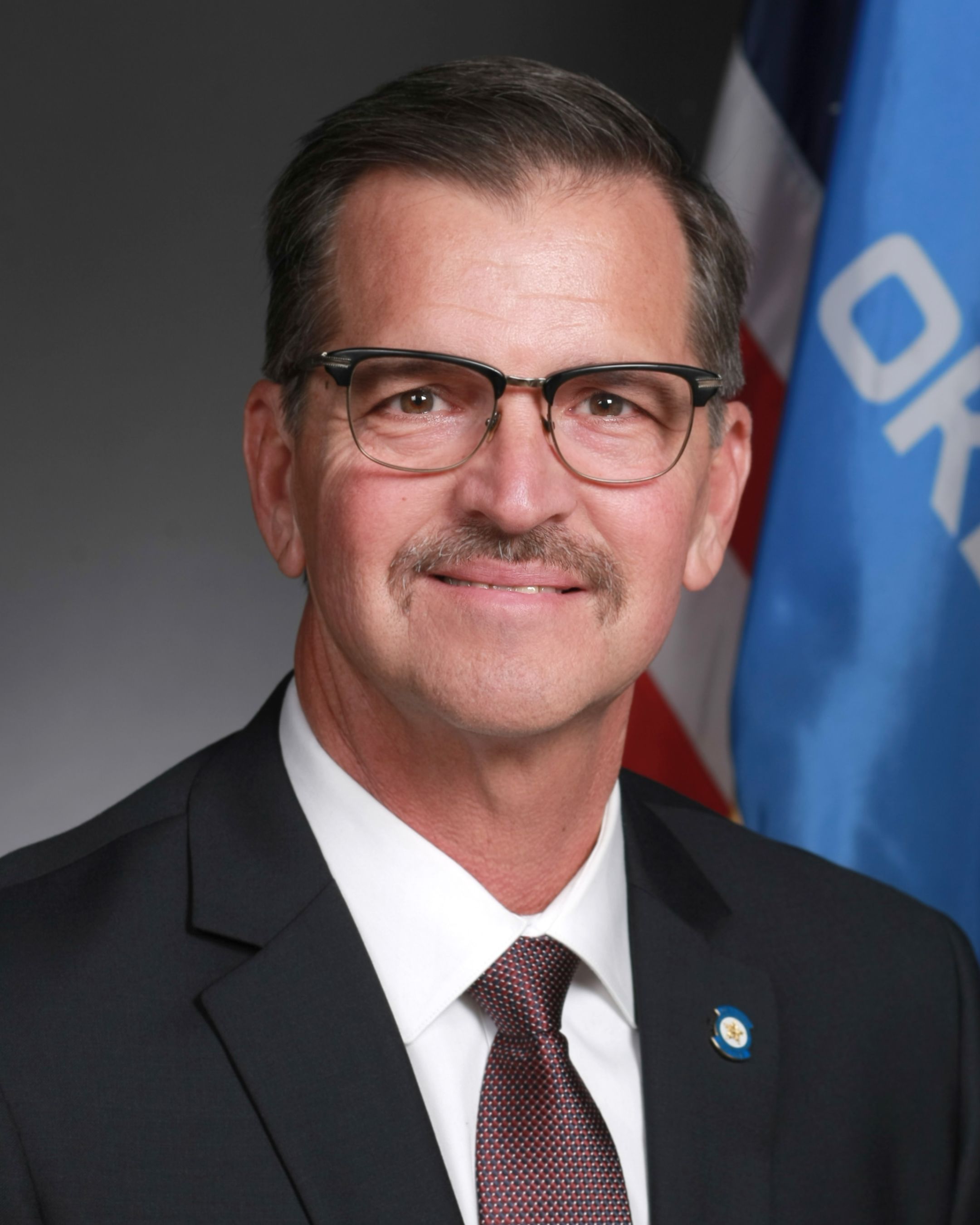
Rep. Ronny Johns
Sponsored bills
Maddy summaryHB 1488 modifies Oklahoma's school accreditation process by requiring the State Board of Education to establish clear standards for school accreditation, including specific counselor staffing requirements. It creates a formal hearing process for school districts that disagree with accreditation recommendations, giving districts 10 working days to request a hearing after being notified, with accreditation status changes only taking effect if the district fails to act within 90 days. The bill mandates that non-accredited schools must be closed or reconfigured to ensure students attend accredited schools, and it includes exemptions from penalties for certain media-related standards if state funding meets specific thresholds. This directly affects public school districts, students, and school counselors across Oklahoma by changing how accreditation compliance is enforced and appealed.
Maddy summaryHB 1742 creates an Oklahoma Parental Choice Tax Credit Program, allowing taxpayers to claim a state income tax credit for qualified education expenses of eligible students. The credit amount varies by family income (ranging from $5,000 to $7,500 annually) and covers private school tuition/fees, tutoring, textbooks, and standardized test fees for students attending accredited private schools or using approved educational alternatives. Eligible students include those in accredited private schools or homeschooled under specific state guidelines, with additional provisions for schools serving homeless students or financially disadvantaged students. Taxpayers must retain receipts and submit them to the Oklahoma Tax Commission to claim the credit, which may be refunded if it exceeds the tax owed. The program applies to tax years 2024 and beyond, with administration managed by the Oklahoma Tax Commission.
Maddy summaryHB 1059 establishes the "Education Reform Act of 2025" as a named legislative act without specifying substantive policy changes. The bill sets its effective date for November 1, 2025, and notes it will not be codified in the Oklahoma Statutes. As a procedural bill, it does not detail specific educational reforms or affect any particular group. This summary reflects only the naming and effective date provisions described in the bill text.
Maddy summaryHB 1057 establishes the "Education Reform Act of 2025" as a named legislative package and sets its effective date for November 1, 2025. The bill explicitly states it will not be codified in Oklahoma Statutes, meaning it serves as a procedural designation rather than containing substantive policy changes. This bill directly affects the administrative process for future education reform legislation by creating a formal title and timeline. It does not alter education policies, funding, or programs, as it is purely a naming and effective-date measure.
Maddy summaryHB 1134 is a procedural bill that establishes the name "Oklahoma Mental Health Reform Act of 2025" for future legislation and sets an effective date of November 1, 2025. It does not create new policies or affect any individuals or programs, as it is solely a naming act without substantive provisions. The bill serves only to formally designate the title for potential future mental health-related legislation. This is a non-substantive measure, not actual reform.
Maddy summaryHB 1058 is a procedural bill that names the "Education Reform Act of 2025" and sets its effective date as November 1, 2025. The bill contains no substantive policy changes or program provisions; it simply establishes the act's name and effective date. It is not codified in the Oklahoma Statutes. This is a naming and timing measure with no direct impact on education policies or affected groups.
Maddy summaryHB 1488 requires Oklahoma public school districts to report counselor staffing ratios (including student-to-counselor numbers per school level) and grants districts a 10-day window to request a hearing if the state recommends accreditation deficiencies. The bill mandates strict timelines: the State Department of Education must investigate complaints within 30 days and issue recommendations within 90 days, with districts able to appeal through a formal hearing before accreditation penalties take effect. Schools failing to meet standards could lose accreditation, potentially leading to closure or student reassignment to accredited schools. The law also includes a conditional exemption from penalties for media equipment standards if school funding meets specific thresholds.
Maddy summaryHB 1490 is a procedural bill that names the "Education Reform Act of 2025" and sets its effective date as November 1, 2025. It contains no substantive policy changes or new provisions affecting education funding, curriculum, or school operations. The bill only establishes the act's name and effective date without altering existing laws or creating new requirements. This is purely a naming and timing measure with no direct impact on students, schools, or educators. The bill remains in early committee referral stage with no further legislative action recorded.
Maddy summaryHB 1133 is a procedural bill that creates the name "Transportation Modernization Act of 2025" for future transportation legislation. It does not establish new policies, funding, or regulations - only designates the title for subsequent bills. The act is scheduled to take effect November 1, 2025, but contains no substantive provisions affecting residents, agencies, or transportation systems. It serves solely as a naming convention for future transportation-related bills, with no direct impact on any specific group or policy.